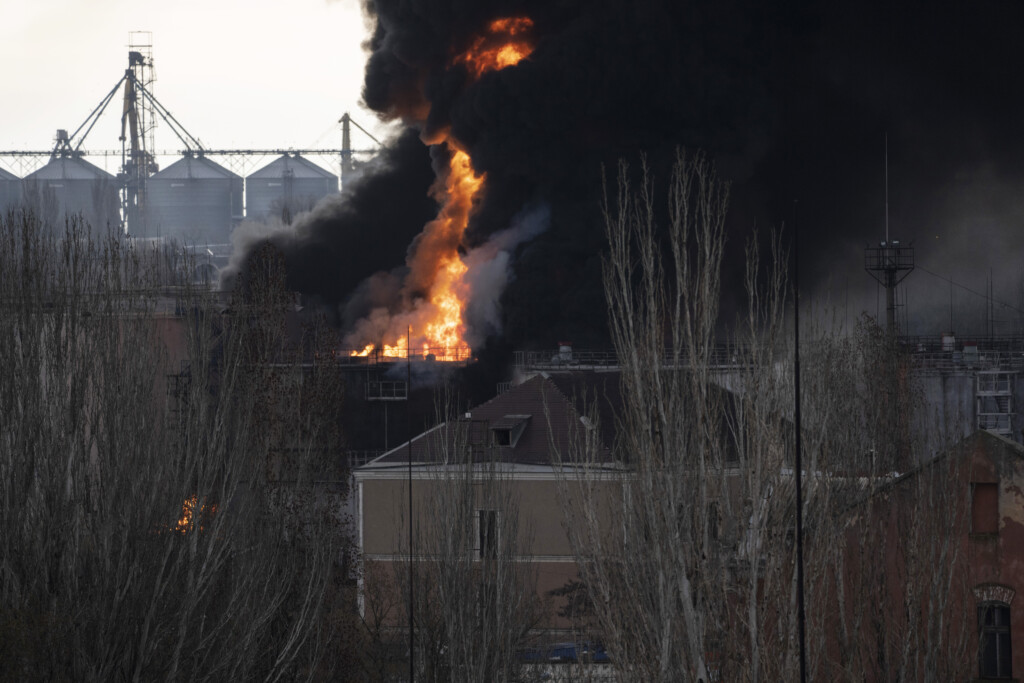
An Iranian oil ministry official has stated that Iran intends to restore most of its oil refining capacity within a period not exceeding two months. This move comes at a time when the country is suffering from the impacts of economic sanctions, which have led to a significant decline in its oil production.
This announcement is part of the Iranian government's efforts to bolster the energy sector, which is one of the main sources of revenue for the country. The official noted that work is underway to reactivate the damaged refineries, reflecting the government's commitment to achieving stability in this vital sector.
Details of the Initiative
This step follows a period of challenges faced by Iran in the oil sector, where production levels have notably decreased due to U.S. sanctions targeting Iranian oil exports. This has reduced the country's ability to meet its domestic needs for petroleum products.
Restoring refining capacities is expected to improve the Iranian economic situation, as the economy heavily relies on oil revenues. Additionally, regaining these capabilities may enhance Iran's ability to export petroleum products to global markets.
Background & Context
Historically, the Iranian oil sector has been one of the most vital sectors in the national economy, significantly contributing to the public budget. However, international sanctions imposed on Iran since 2018 have led to a sharp decline in production and exports, adversely affecting the economy.
The Iranian government is striving to overcome these sanctions by boosting domestic production and developing oil and gas infrastructure. Several new projects have been announced aimed at modernizing refineries and increasing their efficiency, which could contribute to improving the economic situation.
Impact & Consequences
If Iran succeeds in restoring its refining capabilities, it could have positive effects on the Iranian economy, potentially leading to an improved standard of living for citizens. An increase in production may also strengthen Iran's position in the global market, allowing it to compete more effectively with other oil-producing countries.
However, challenges remain, as U.S. sanctions continue to affect Iran's ability to export oil. Therefore, the success of this initiative depends on several factors, including the international community's response and the sanctions imposed.
Regional Significance
Iran is considered one of the largest oil producers in the region, so any changes in its production could impact global oil markets. If Iran manages to restore its refining capabilities, it may lead to increased competition in the market, which could affect oil prices in other Arab countries.
Moreover, enhancing refining capacities could contribute to improving economic relations between Iran and neighboring countries, potentially opening new avenues for cooperation in the energy sector.
In conclusion, all eyes remain on Iran to see how well it can achieve its goals in restoring refining capacities. The success of these efforts could have far-reaching effects on the Iranian economy and global oil markets.