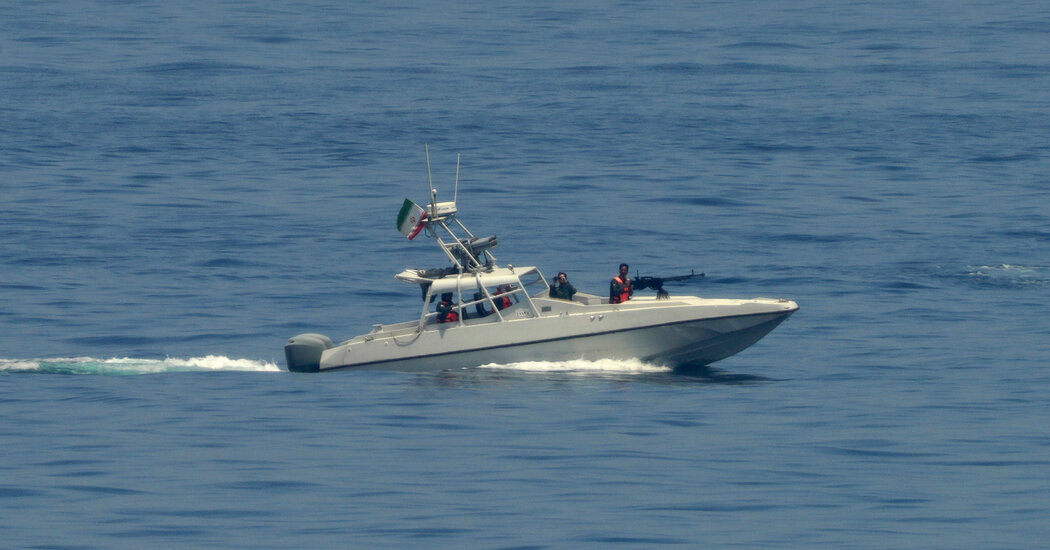
In a move reflecting Iran's commitment to its relationships with friendly nations, the Islamic Republic's embassy in Kuala Lumpur announced that Tehran has allowed a Malaysian ship to transit the Strait of Hormuz for the first time. This announcement follows a period of military tensions in the region due to U.S. and Israeli assaults on Iran.
The Iranian embassy confirmed via its official account on the social media platform 'X' that this step demonstrates Iran's remembrance of its friends around the world. This announcement came after reports indicated that the number of vessels transiting the Strait of Hormuz has reached its highest level since the escalation in the region began.
Details of the Event
On February 28, Iran faced military assaults from the United States and Israel, targeting several sites in the capital, Tehran, resulting in damage and civilian casualties. Iran responded to these aggressions by targeting areas in Israel and U.S. military facilities in the Middle East.
This military escalation led to a halt in maritime traffic through the Strait of Hormuz, which is considered one of the most vital maritime routes for transporting oil and natural gas from the Arabian Gulf to global markets. Iranian Foreign Ministry spokesman, Ismail Baghaei, stated that Iran and Oman are conducting talks to develop mechanisms for regulating navigation in the strait.
Background & Context
Historically, the Strait of Hormuz is a crucial strategic point, through which approximately 20% of the world's oil passes. The region has witnessed ongoing tensions due to geopolitical conflicts, particularly between Iran and the United States. The recent assaults occurred in the context of rising tensions between Iran and its allies on one side and the U.S. and Israel on the other.
Since the beginning of the year, the region has seen an escalation in hostilities, affecting maritime navigation and international trade. Iran has demonstrated resilience in facing these challenges, seeking to strengthen its relationships with friendly nations amid difficult circumstances.
Impact & Consequences
This step by Iran serves as a clear message to the international community that Tehran is still capable of maintaining its trade relationships with friendly nations despite pressures. Additionally, allowing the Malaysian ship to transit reflects Iran's desire to enhance regional cooperation and expand its partnerships.
Recent developments may impact global oil markets, as any further escalation in the region could lead to an increase in oil prices. Furthermore, this move could contribute to improving Iran's image in the eyes of some countries looking to strengthen their trade relations with Tehran.
Regional Significance
Considering the situation in the Arab region, strengthening relations between Iran and friendly nations may affect political and economic balances. Arab countries that rely on oil imports could be impacted by price fluctuations due to tensions in the Strait of Hormuz.
Moreover, this step may open the door for further cooperation between Iran and Arab countries, especially those seeking to expand their economic partnerships with Tehran. In the current circumstances, enhancing regional relationships is essential for achieving stability in the area.
The recent Iranian step reflects Tehran's desire to maintain its relationships with friendly nations and highlights the importance of the Strait of Hormuz as a vital conduit for global trade. Amid ongoing tensions, hope remains pinned on strengthening regional cooperation to achieve peace and stability.