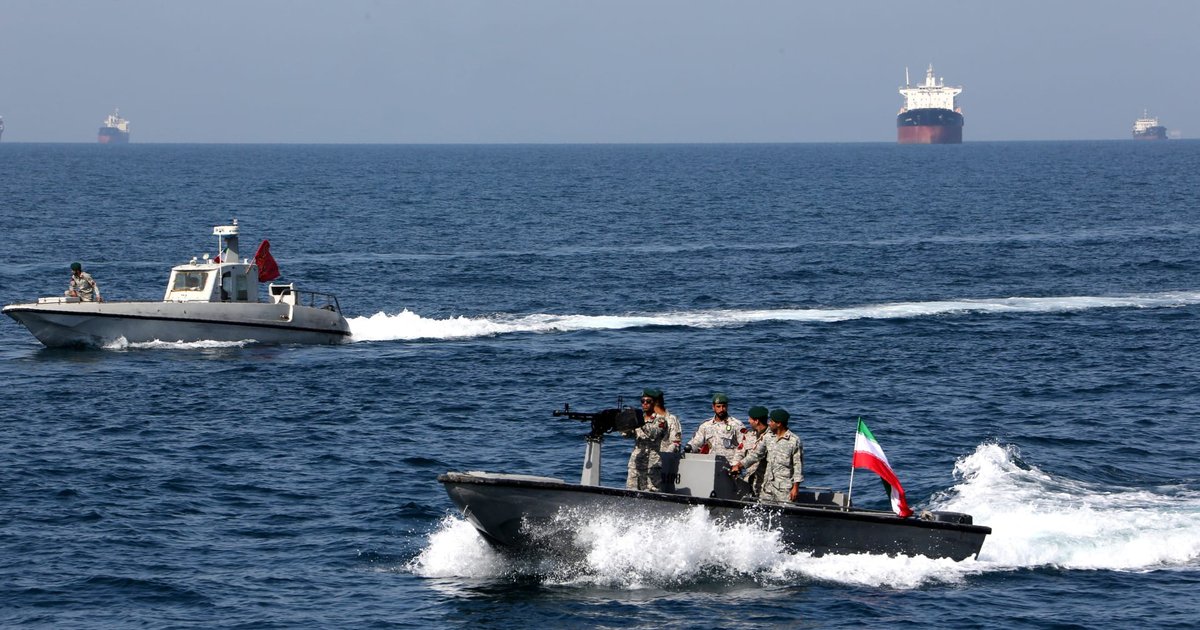
Iran has officially announced that foreign ships can transit the Strait of Hormuz, provided they do not support hostile actions against the country and comply with regulations set by Tehran. This announcement comes at a time when the region is experiencing increasing tensions, reflecting the importance of this vital waterway in global trade.
Iran considers the Strait of Hormuz a strategic point, through which nearly 20% of the world's total oil passes. Tehran has confirmed that it will allow ships to navigate this passage, but under specific conditions aimed at protecting its national interests.
Details of the Announcement
In statements made by Iranian officials, it was emphasized that ships adhering to Iranian laws will not face any issues in transiting the strait. These laws have been established to ensure that these vessels are not used as a means to support any hostile actions against Iran.
This move comes amid escalating tensions in the region, where fears of a potential military escalation between Iran and the United States and its allies are growing. Recent incidents in the territorial waters have heightened the significance of these Iranian statements.
Background & Context
The Strait of Hormuz, which stretches between Iran and Oman, is one of the most important waterways in the world, linking the Arabian Gulf to the Indian Ocean. Historically, the strait has witnessed numerous political and military crises, with Iran consistently asserting its sovereignty over this passage.
In recent years, tensions between Iran and the United States have increased, especially following Washington's withdrawal from the Iranian nuclear deal in 2018. This withdrawal led to the imposition of severe economic sanctions on Tehran, impacting its economy and escalating tensions in the region.
Impact & Consequences
Iran's statements regarding the transit of foreign ships through the Strait of Hormuz represent an important step in the context of international relations, reflecting Tehran's desire to maintain regional stability and ensure maritime safety. However, these statements may raise questions about how these conditions will be implemented and the extent to which other countries will respond to them.
These developments could potentially increase tensions between Iran and Western countries, especially as economic sanctions continue. Furthermore, any escalation in the region could directly impact global oil prices, reflecting on the global economy.
Regional Significance
Neighboring Arab countries, such as Saudi Arabia and the United Arab Emirates, are among the biggest beneficiaries of stable navigation in the Strait of Hormuz. Any escalation in tensions could affect oil exports from these countries, negatively impacting their economies.
Moreover, Iran's statements could lead to a reassessment of Arab countries' strategies in dealing with Tehran, especially amid ongoing tensions in the region. It is crucial for Arab nations to remain vigilant regarding any Iranian moves that could affect their interests.
In conclusion, Iran's statements about allowing foreign ships to transit the Strait of Hormuz under its conditions reflect the ongoing challenges in the region. Amid rising tensions, the question remains about how the international community will respond to these conditions and their impact on regional stability.