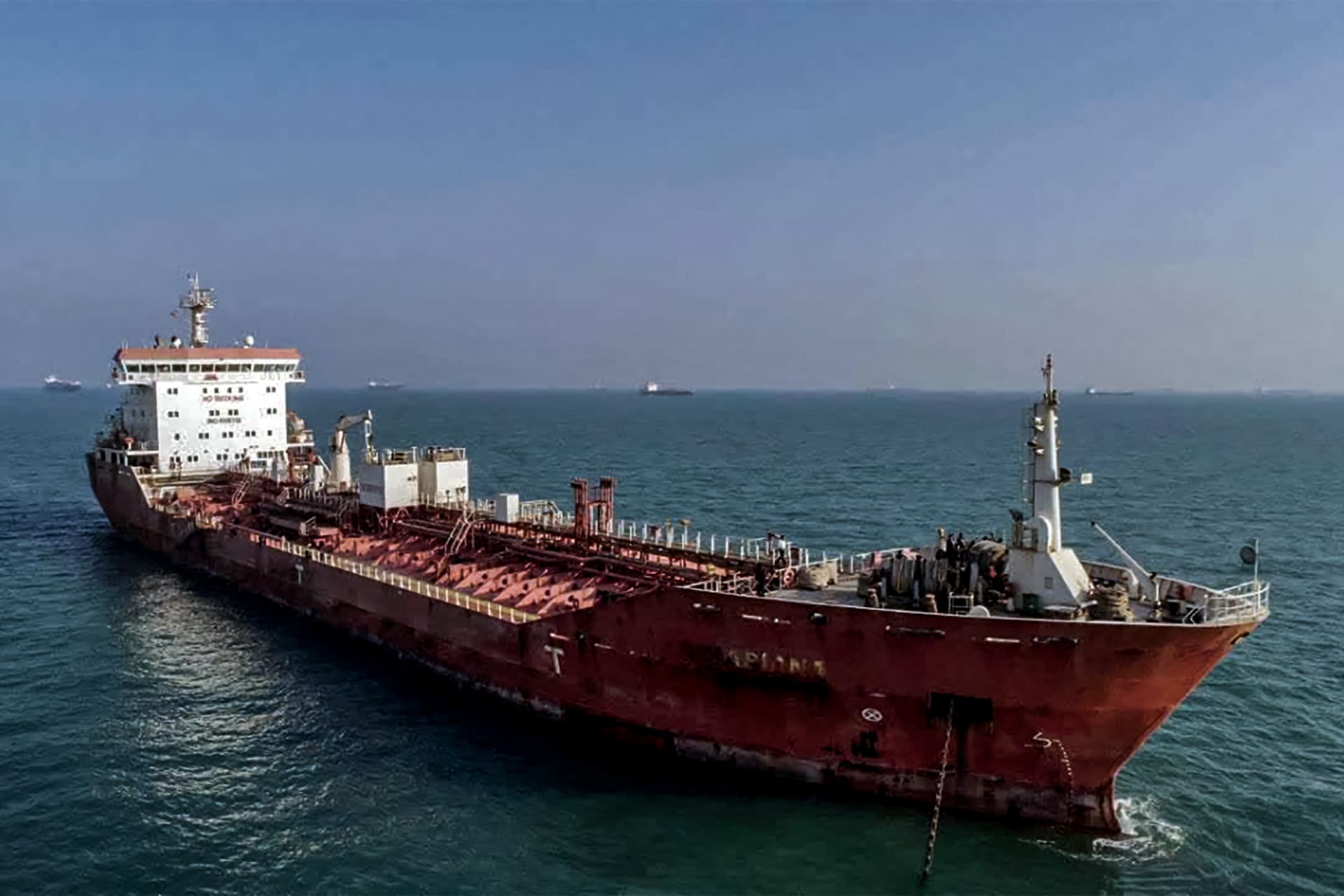
The Prime Minister of Malaysia announced that Iranian authorities have allowed Malaysian oil tankers to transit through the Strait of Hormuz, a move reflecting a limited easing of restrictions on certain vessels. This announcement comes at a time when the strait, considered one of the most important maritime passages in the world, is experiencing increasing tensions due to regional disputes.
This step is significant for Malaysia, which heavily relies on oil exports. The Strait of Hormuz is a vital transit point for transporting oil from Gulf countries to global markets. The Prime Minister indicated that this decision reflects an improvement in relations between the two countries and enhances cooperation in the energy sector.
Details of the Announcement
These statements come at a sensitive time, as the region is witnessing increasing geopolitical tensions. Concerns have been raised about escalating tensions between Iran and the United States, which have affected navigation in the strait. However, it seems that Iran has taken a step towards strengthening trade relations with other countries, such as Malaysia, in an effort to bolster its economy affected by sanctions.
It is worth noting that the Strait of Hormuz is considered a vital passage for transporting approximately 20% of the world's oil, making it a strategic point in global politics. In recent years, there have been many maritime incidents, including the detention of ships and threats from Iran, complicating the situation in the region.
Historical Context
Historically, the Strait of Hormuz has been the scene of numerous conflicts and disputes. Since the Iranian Revolution in 1979, relations between Iran and many Western countries have seen increasing tensions, affecting trade movement in the region. In recent years, these tensions have escalated due to economic sanctions imposed on Iran, which have reduced its ability to export oil.
Despite these challenges, Iran seeks to strengthen its relations with countries like Malaysia, which is considered a strategic partner in the energy sector. This move demonstrates Iran's desire to enhance economic cooperation with Asian countries amid increasing Western pressures.
Potential Economic Impact
This decision could have positive effects on the Malaysian economy, as it will contribute to boosting oil exports and increasing revenues. It may also open the door for further cooperation between the two countries in other areas, such as technology and renewable energy.
On the other hand, this decision could lead to increased tensions with Western countries, which may view it as a challenge to their policies in the region. Any escalation in tensions could negatively impact navigation in the strait, potentially increasing costs for global companies.
Significance for Arab Countries
This decision is significant for Arab countries, especially those that rely on oil exports through the Strait of Hormuz. Any changes in navigation patterns could affect global oil prices, reflecting on Arab economies. Additionally, the strengthening of relations between Iran and Malaysia may raise concerns among some Arab countries, which fear an increase in Iran's influence in the region.
In conclusion, this decision highlights the importance of the Strait of Hormuz as a vital link in global trade and reflects the dynamic changes in international relations. As countries seek to enhance their economic interests, the situation in the region remains complex and requires careful monitoring.