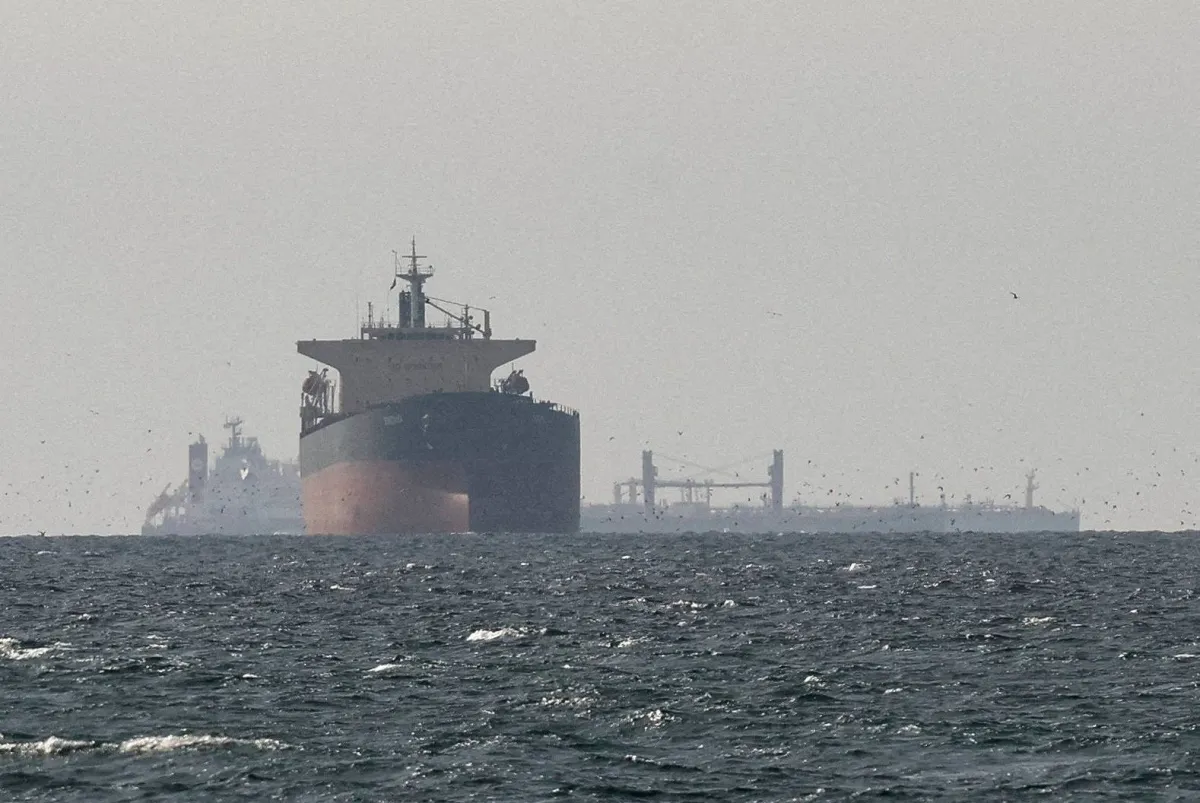
Malaysian Prime Minister Anwar Ibrahim announced on Thursday that Iran has decided to allow Malaysian ships to transit through the Hormuz Strait, following a series of discussions with leaders from Iran, Egypt, Turkey, and other regional countries. Anwar expressed his gratitude to the Iranian president for this decision, which enables Malaysian vessels to complete their journey back home.
Anwar confirmed in a televised address that the Malaysian government is set to release Malaysian oil tankers and their crew, reflecting progress in efforts to promote peace in the Middle East. He explained that this decision is part of the Malaysian government's endeavors to facilitate trade and ensure the continuity of oil supply flows.
Details of the Announcement
In his remarks, Anwar noted that discussions with Iran and other countries were part of broader efforts to alleviate tensions in the region. He emphasized that Iran feels it has been deceived in the past, which makes it hesitant to take steps towards peace without clear security guarantees. He clarified that the Malaysian government will continue to support oil prices but will take measures to mitigate the impact of supply disruptions, including reducing monthly quotas for subsidized fuel.
Anwar also pointed out that the situation in the Hormuz Strait, which is one of the world's most critical waterways, significantly affects the Malaysian economy, necessitating careful management of the existing situation.
Background & Context
The relationship between Iran and Malaysia has historically been intertwined, with both countries seeking to enhance economic and political cooperation. This decision comes at a time when the region is experiencing increasing geopolitical tensions, making it essential to strengthen communication and cooperation channels among nations. The Hormuz Strait is a vital point for oil and gas transportation, through which approximately 20% of global oil supplies pass.
It is noteworthy that Iran has taken similar steps in the past, allowing ships from other countries to pass as part of its efforts to strengthen economic relations. However, tensions with some Western countries remain, raising questions about the region's stability in the future.
Impact & Consequences
The allowance for Malaysian ships to pass is a positive step towards enhancing relations between Iran and Malaysia and may open the door for further economic cooperation between the two nations. Additionally, this decision could impact global oil prices, potentially leading to greater stability in the oil market if the flow of supplies resumes regularly.
On the other hand, this decision may increase pressure on other countries seeking to secure the passage of their vessels through the Hormuz Strait, which could escalate tensions in the region. Any escalation in tensions could negatively impact the global economy, especially given the heavy reliance on oil and gas.
Regional Significance
This decision is significant for Arab countries, as it reflects efforts to enhance regional cooperation in facing common challenges. Improved relations between Iran and Malaysia could foster stability in the region, benefiting neighboring Arab states.
At the same time, Arab countries must closely monitor developments in Iranian-Malaysian relations, as any changes in regional dynamics could affect their political and economic strategies. Strengthening cooperation among Islamic nations could contribute to achieving sustainable development goals in the region.
In conclusion, the allowance for Malaysian ships to transit through the Hormuz Strait represents a positive step towards enhancing regional relations and underscores the importance of dialogue and cooperation in achieving peace and stability in the area.