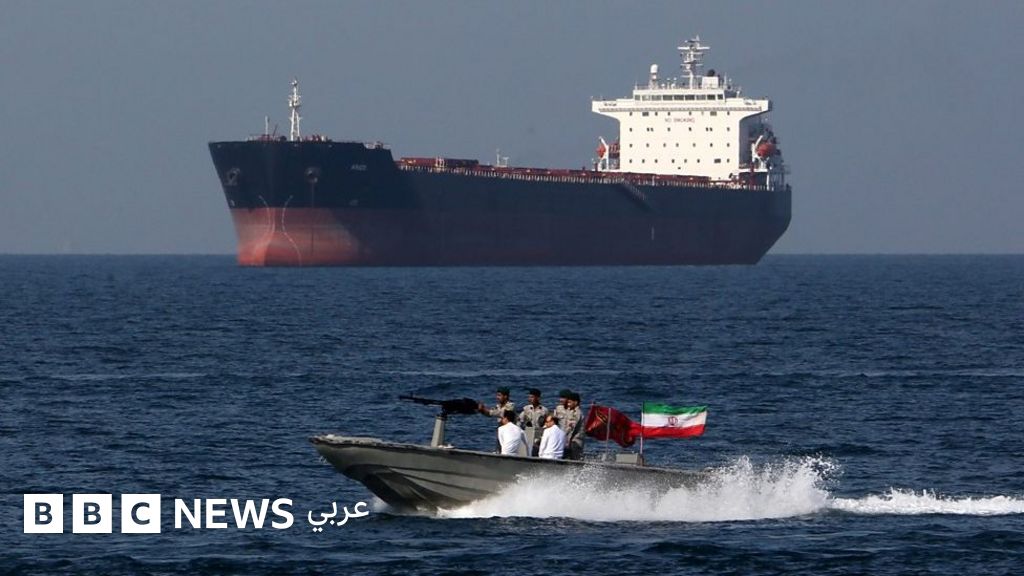
Iran has announced that it will allow the passage of 'non-hostile ships' through the Strait of Hormuz, one of the world's most vital waterways, raising questions about the fate of vessels coming from Gulf countries or heading to Europe. This announcement comes at a sensitive time, as COSCO, one of the largest shipping companies in the world, resumes its bookings for transporting goods to several countries in the region.
This move by Iran is seen as a signal of its desire to ease tensions in the region; however, the lack of clear criteria regarding what constitutes 'non-hostile' leaves a wide scope for ambiguity and concern among shipping and navigation companies.
Details of the Announcement
The Strait of Hormuz, through which approximately 20% of the world's oil passes, is a crucial strategic point, linking the Arabian Gulf to the Indian Ocean. In recent years, the strait has witnessed increasing tensions between Iran and the United States and its allies, leading to fears of escalating military conflicts.
In this context, Iran has stated that it will allow the passage of ships that do not pose a threat, but no precise criteria have been established for classifying vessels. This ambiguity could lead to different interpretations by the concerned parties, further heightening tensions in the region.
Background & Context
Historically, the Strait of Hormuz has seen numerous crises, starting from the Iran-Iraq war in the 1980s to the recent U.S. sanctions imposed on Iran. These sanctions have led to a reduction in Iranian oil exports, increasing economic pressures on the country.
In recent years, Iran has attempted to bolster its position in the region by supporting its allies in Iraq, Syria, and Lebanon, complicating the geopolitical landscape. However, ongoing international pressures may push Iran to take more cautious steps in its dealings with international navigation.
Impact & Consequences
This step by Iran opens the door for commercial vessels, but it comes with significant risks. The lack of clarity in the criteria could lead to friction between commercial ships and Iranian naval forces, potentially escalating situations in the region.
Moreover, COSCO's resumption of bookings reflects the importance of the region as a trade destination, which could enhance economic activity in Gulf countries. However, at the same time, this activity may lead to increased tensions between Iran and Western countries, especially amid ongoing sanctions.
Regional Significance
The Arab countries bordering the Arabian Gulf, such as Saudi Arabia and the UAE, are among the most affected by developments in the Strait of Hormuz. Continued tensions could impact oil prices and increase shipping costs, negatively affecting Arab economies.
Additionally, these developments may influence relations between Arab countries and Iran, as some nations may seek to strengthen their alliances with Western powers to counter potential threats. Conversely, Iran may attempt to exploit the situation to enhance its influence in the region.
In conclusion, the situation in the Strait of Hormuz remains complex and volatile, with economic and political interests deeply intertwined. It requires all concerned parties to take prudent steps to avoid escalation and ensure the stability of navigation in this vital corridor.