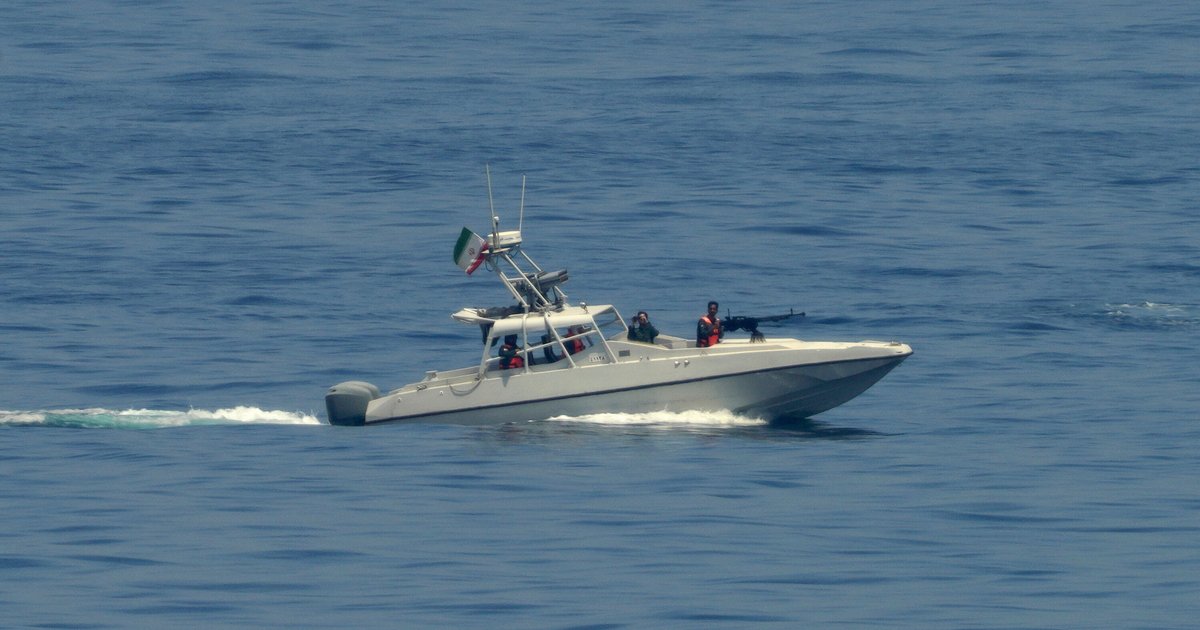
In a move reflecting the escalating tensions in the Middle East, the Pakistani Ministry of Ports and Shipping announced on Saturday that Iran has allowed two Pakistani cargo ships to transit the Hormuz Strait. The vessels, named Multan and P-Aliki, were previously detained after Iranian forces took control of the strait, which is considered one of the most crucial global oil supply routes.
The two ships, which are carrying a cargo of 80 million liters of crude oil, have already crossed the strait and are heading towards Karachi port, where they are expected to arrive on March 31. Informed sources reported that the Iranian government not only permitted the transit of the two ships but also provided them with an escort until they passed the Iranian maritime borders.
Details of the Incident
This development comes at a sensitive time, as the region is witnessing a rise in tensions between Iran and the United States and its allies. The situation in the area has escalated since the United States and Israel launched joint attacks against Iran on February 28, resulting in the deaths of over 1,340 individuals, including former Supreme Leader Ali Khamenei.
In this context, Iran has responded to the attacks by launching drone and missile strikes targeting Israel and countries such as Jordan and Iraq, in addition to Gulf states hosting American forces. These military operations have resulted in human casualties and infrastructure damage, adversely affecting global markets and aviation operations.
Background & Context
The Hormuz Strait is a vital transit point for oil, through which approximately 20% of global oil supplies pass. Historically, the strait has witnessed numerous crises and tensions, especially amid regional conflicts. Iran had previously allowed a Pakistani ship to transit the strait on March 16, indicating a potential improvement in relations between the two countries.
Pakistan is currently seeking to play a mediating role in regional disputes, collaborating with Turkey and Egypt to find peaceful solutions to the escalating conflicts in the Middle East. These efforts come at a time when the need for stability in the region is increasing, especially with ongoing armed conflicts.
Impact & Consequences
This step by Iran serves as a signal for the possibility of reaching understandings with its neighbors, despite rising tensions. Allowing the transit of commercial ships may contribute to easing tensions in the region and enhance the prospects for dialogue among the various parties.
However, the situation in the region remains fragile, as hostilities could resume at any moment. The ongoing conflicts in the Middle East directly impact global markets and increase oil prices, which negatively affects the global economy.
Regional Significance
Events in the Hormuz Strait have a direct impact on Arab countries, especially those that rely on oil as a primary source of revenue. Any escalation in tensions could lead to rising oil prices, affecting Arab economies and increasing financial burdens.
Moreover, the stability of the region heavily depends on the ability of Arab countries to mediate disputes and achieve understandings among conflicting parties. Pakistan's role as a mediator could open new avenues for regional cooperation, contributing to achieving security and stability in the area.