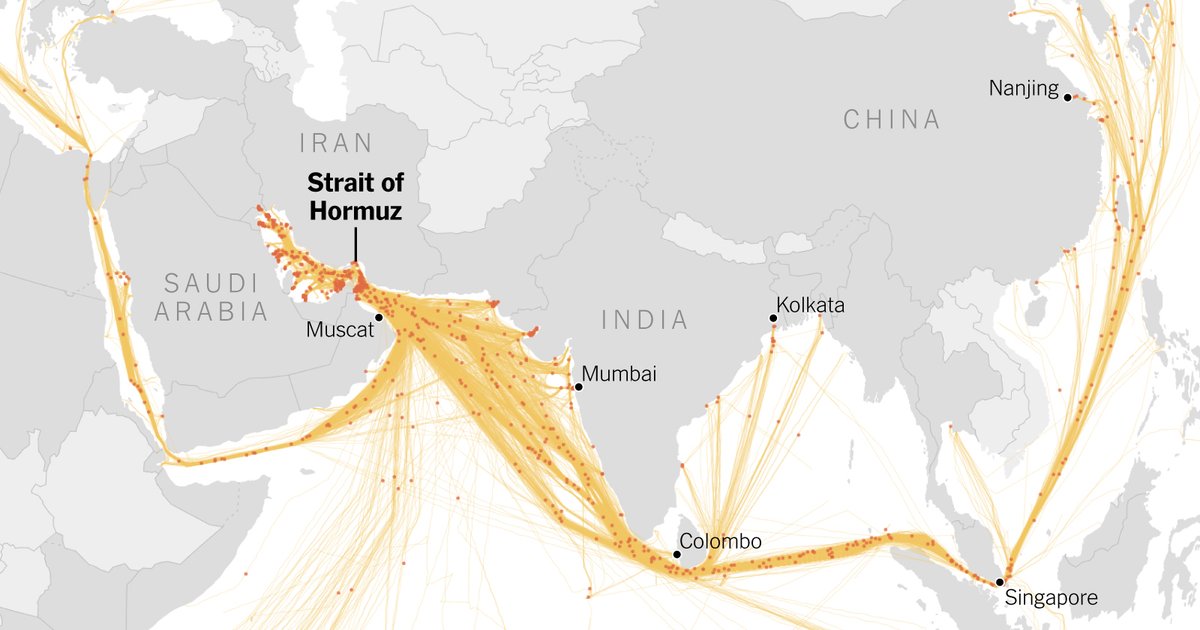
Former U.S. President Donald Trump announced that Iran will allow the passage of 20 oil tankers through the Strait of Hormuz starting today. This decision comes at a time when the region is experiencing increasing tensions, raising questions about its impact on oil markets and regional security.
The Strait of Hormuz, considered one of the most important maritime corridors in the world, sees significant oil traffic, with approximately 20% of global oil supplies passing through it. This announcement is part of Iran's efforts to alleviate the economic pressures it faces due to the sanctions imposed on it.
Details of the Announcement
In statements made by Trump, he emphasized that this step represents a shift in Iran's policy towards maritime navigation. This comes after a series of incidents in the region, including attacks on oil tankers, which have significantly affected the stability of energy markets.
It is worth noting that Iran has faced strict economic sanctions from the United States, leading to a significant decline in its oil exports. However, allowing the passage of these tankers may be seen as a step towards improving relations with some countries, or at least easing tensions in the region.
Background & Context
Historically, the Strait of Hormuz has been the scene of numerous political and military conflicts. In recent years, tensions between Iran and the United States have escalated, especially after Washington withdrew from the Iranian nuclear deal in 2018. Since then, the region has witnessed several incidents that have affected maritime navigation.
Iran considers the Strait of Hormuz a vital artery for its economy, as many countries rely on Iranian oil. However, economic pressures and international sanctions have made it difficult for Iran to maintain stability in its oil exports.
Impact & Consequences
This move could improve Iran's economic situation, but it may also provoke mixed reactions from the international community. While some may see it as a sign of openness, others might view it as an attempt by Iran to enhance its influence in the region.
If Iran continues to allow the passage of tankers, it could lead to greater stability in oil markets, which may positively reflect on global oil prices. However, any escalation in tensions could have dire consequences for the global economy.
Regional Significance
The neighboring Arab countries of the Strait of Hormuz, such as Saudi Arabia and the UAE, are among the most affected by such developments. The stability of maritime navigation in the strait is vital for securing oil supplies, and consequently, the stability of the economies in these countries.
Any escalation in tensions could negatively impact oil prices, leading to significant economic effects on Arab countries that heavily rely on oil exports. Therefore, this step by Iran could have wide-ranging implications for regional stability.
In conclusion, it remains to be seen how markets and the concerned countries will react to this announcement. The passage of 20 oil tankers through the Strait of Hormuz could mark the beginning of a change in regional dynamics, but challenges still remain.