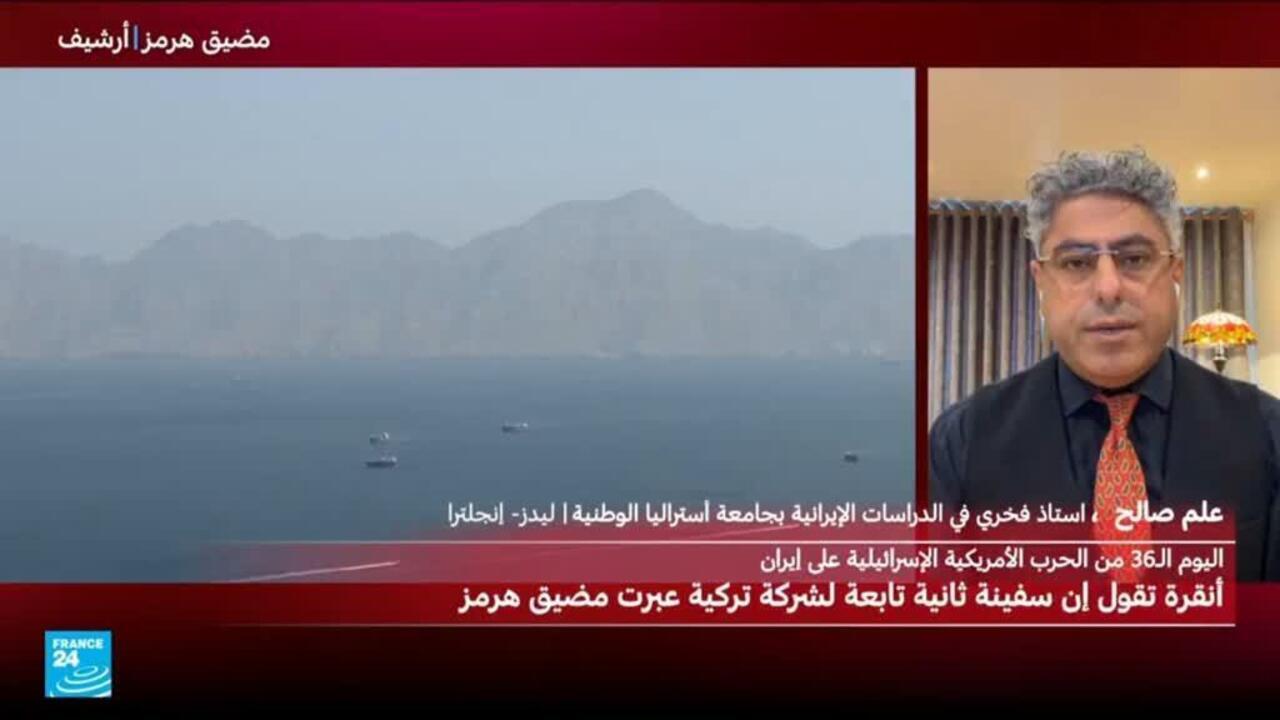
Iran has announced that it will allow the passage of ships it considers non-hostile through the Hormuz Strait, following its earlier closure of the strait due to military escalations with the United States and Israel. Turkish Minister of Transport Adil Karaismailoğlu confirmed that a second ship belonging to a Turkish company has crossed the strait, reflecting a shift in Iranian policy regarding maritime navigation.
The Hormuz Strait is one of the most important waterways in the world, through which approximately 20% of global oil and liquefied natural gas flows pass. Iran had closed the strait at the end of February following American and Israeli airstrikes targeting Iranian sites, which heightened tensions in the region.
Details of the Event
In a surprising move, Iran announced that it would allow the passage of ships with no ties to the United States or Israel after a period of military tensions. The second Turkish ship crossed the Hormuz Strait at a time when the region is witnessing an escalation in regional conflicts. This decision is part of Iran's attempt to alleviate the economic and political pressures it faces.
The Turkish ship that crossed the strait is part of Ankara's efforts to strengthen its trade relations with Tehran, especially amid the difficult economic conditions Iran is experiencing. This cooperation between the two countries reflects a desire to overcome the sanctions imposed on Iran.
Background & Context
Historically, the Hormuz Strait has been the scene of numerous military and political conflicts, as it is a vital point for global oil trade. In recent years, the region has seen escalating tensions between Iran on one side and the United States and its allies on the other, leading to the closure of the strait on several occasions.
In February, events escalated after American and Israeli airstrikes targeted Iranian sites, prompting strong reactions from Tehran. Iran considered these airstrikes a threat to its national security, leading it to take strict measures against maritime navigation in the strait.
Impact & Consequences
Allowing non-hostile ships to pass through the Hormuz Strait may contribute to easing tensions in the region, but it also raises questions about the stability of the security situation. If Iran continues this approach, it could lead to improved trade relations with countries that are not linked to the United States.
However, the question remains regarding how the United States and its allies will react, as they may view this decision as a threat to their interests in the region. Ongoing tensions could also impact global oil prices, as the global economy heavily relies on oil flows from this vital area.
Regional Significance
The events in the Hormuz Strait are of great importance to Arab countries, especially those that rely on oil as a primary source of revenue. Any escalation in tensions could affect maritime navigation and trade in the region, potentially leading to price increases and negative impacts on the economy.
At the same time, these developments may provide an opportunity for some Arab countries to enhance their trade relations with Iran, which could contribute to achieving relative stability in the region. However, these countries must remain cautious of any potential escalation that could affect their interests.
In conclusion, the situation in the Hormuz Strait remains under scrutiny, as concerns grow over the impact of regional conflicts on security and stability in the area.