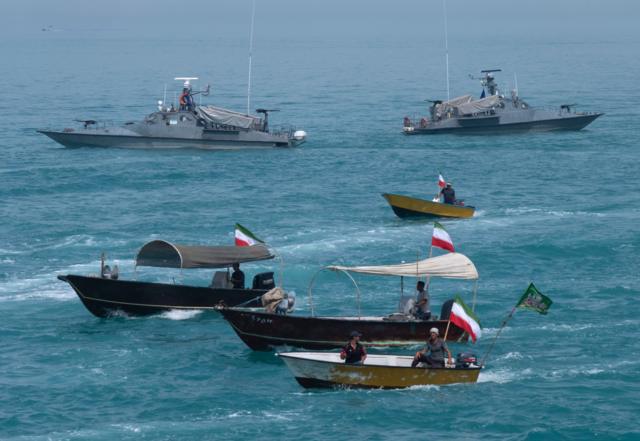
The Philippine government announced that Iran has agreed to allow safe passage for Philippine ships and fuel supplies through the Strait of Hormuz. This decision comes at a sensitive time marked by increasing tensions in the region, where the Strait of Hormuz is considered one of the most important waterways in the world, with approximately 20% of global oil passing through it.
This move is part of strengthening relations between the Philippines and Iran, as Manila seeks to secure the energy supplies necessary to meet its growing needs. The Philippine Department of Foreign Affairs confirmed that this agreement will enhance cooperation between the two countries in the fields of trade and energy.
Details of the Agreement
According to official statements, Iran has expressed its readiness to provide a safe passage for Philippine ships, reflecting its desire to enhance economic relations with the Philippines. This decision follows a series of discussions between the two sides, where the importance of cooperation in the energy sector and securing supplies was emphasized.
Philippine officials also indicated that this agreement would contribute to enhancing maritime security in the region, especially amid increasing tensions between Iran and the United States. The Strait of Hormuz is a vital strategic point, through which approximately 18 million barrels of oil pass daily, making it a potential target for military tensions.
Background & Context
Historically, the Strait of Hormuz has witnessed numerous crises and tensions, as the region has been a theater for several military and political conflicts. In recent years, tensions between Iran and the United States have escalated, affecting navigation in the strait. Nevertheless, the Philippines is striving to secure its energy supplies amid these changing circumstances.
The Philippines is one of the countries that heavily relies on energy imports, importing about 90% of its oil needs. Therefore, securing fuel supplies through the Strait of Hormuz is vital for the Philippine economy.
Impact & Consequences
This agreement is seen as a positive step towards enhancing maritime security in the region, as it could help reduce tensions between Iran and other countries. Additionally, securing the passage of Philippine ships may enhance the Philippines' ability to meet its energy needs more stably.
Moreover, this agreement could encourage other countries to strengthen their economic relations with Iran, potentially contributing to improving the economic situation in the region. However, the potential risks arising from ongoing tensions in the area must be taken into account.
Regional Significance
This agreement represents an important development in the relations between Arab countries and Iran, as it could contribute to improving trade and economic relations. Additionally, securing the passage of ships through the Strait of Hormuz is vital for Arab countries that rely on oil as a primary source of revenue.
In conclusion, this agreement highlights the importance of international cooperation in securing vital maritime passages and reflects the Philippines' desire to strengthen its relations with Iran amid changing conditions in the region.