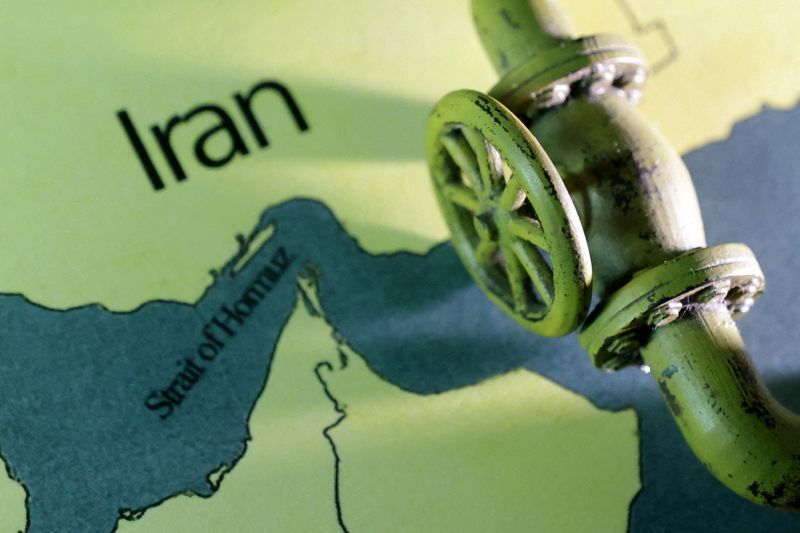
Iranian officials have announced the permission granted to two Indian vessels to transit through the Strait of Hormuz. This decision follows a similar route taken by other ships that received Iranian approval. The two Indian ships, carrying liquefied petroleum gas, will navigate through the Strait, which is considered a vital passage for oil and gas.
According to an Iranian source, the two Indian vessels will transit through the Strait of Hormuz after following a route similar to that of ships that have previously received Iranian approval. This move underscores Iran's ongoing management of maritime traffic in this crucial waterway.
Details of the Event
The Iranian source indicated that the two Indian vessels will transport their cargo through the Strait of Hormuz, a key route for global oil and gas shipments. This development is significant as it reflects Iran's willingness to allow certain vessels to pass through this strategically important strait.
Furthermore, the source emphasized that the two Indian vessels will navigate through the Strait of Hormuz, reinforcing the importance of this passage for international energy supplies. The Strait of Hormuz remains a critical chokepoint for oil and gas transportation, making any changes in its traffic patterns noteworthy.
Background & Context
In the past, Iran has announced the allowance of certain vessels to pass through the Strait of Hormuz, contingent upon their adherence to approved routes. This practice has been part of Iran's broader strategy to manage maritime traffic and maintain control over this vital waterway.
The Iranian source reiterated that the two Indian vessels will transit through the Strait of Hormuz, highlighting the ongoing significance of this passage for oil and gas transport. The Strait is not only crucial for Iran but also for global energy markets, making its management a matter of international interest.
Impact & Consequences
The allowance for two Indian vessels to pass through the Strait of Hormuz could lead to increased traffic in the waterway. This development may have implications for shipping schedules and logistics in the region.
Moreover, the source noted that this increase in traffic could result in higher costs associated with maritime operations in the Strait. As more vessels navigate this critical passage, the potential for congestion and delays may rise, impacting shipping companies and their operations.
Regional Significance
The permission granted to the two Indian vessels to transit through the Strait of Hormuz carries significant implications for the Arab region. The Strait is a vital artery for oil and gas shipments, and any changes in its traffic patterns can affect regional economies and energy security.
Additionally, the Iranian source pointed out that allowing these vessels to pass could lead to increased maritime activity in the Strait, further emphasizing its importance in the global energy landscape. The implications of this decision extend beyond Iran, affecting neighboring countries and their energy strategies.
In conclusion, the decision to allow two Indian vessels to navigate through the Strait of Hormuz highlights the ongoing dynamics of maritime traffic management in this critical region. As the Strait remains a focal point for global oil and gas transportation, developments here will continue to attract international attention.