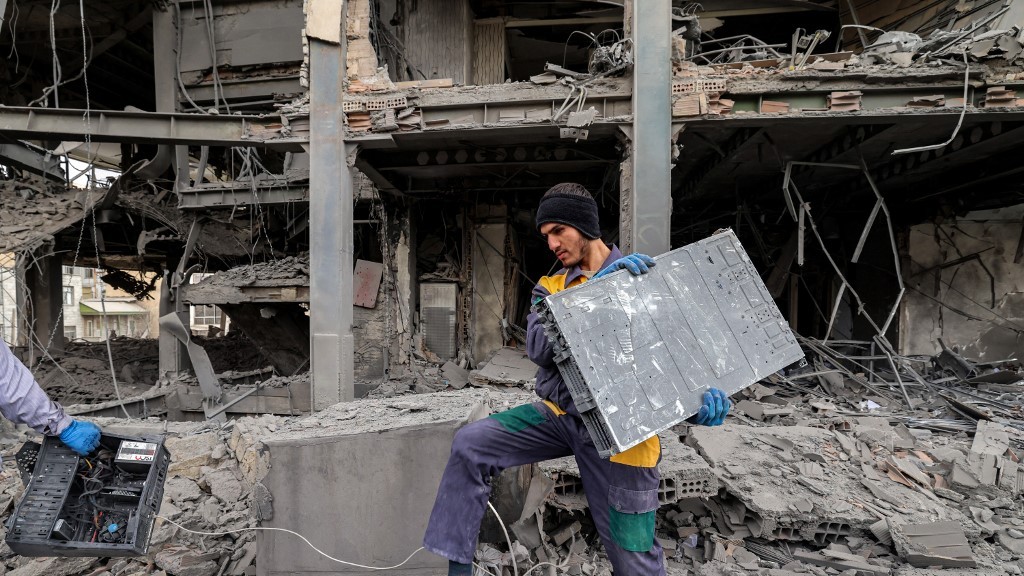
Iran has announced the details of the funeral for Admiral Ali Reza Tangsiri, the commander of the Iranian Revolutionary Guard Navy, who was killed in an Israeli airstrike. According to Fars News Agency, Tangsiri will be buried in the city of Abadeh, located in Khuzestan province, where the funeral ceremony will be held on Friday in the main square of the city.
Tangsiri, who was considered a prominent figure in shaping Iran's naval strategy in the Strait of Hormuz, was killed in an attack that also targeted several senior officers in the Iranian naval command. This attack, which occurred last Wednesday, highlights the escalating tensions between Iran and Israel, as both countries exchange accusations regarding military activities in the region.
Details of the Incident
Reports indicate that Admiral Tangsiri played a significant role in developing Iran's naval capabilities, including the use of drones in naval operations. The Strait of Hormuz, through which approximately 20% of global oil trade passes, is a vital strategic point, and Tangsiri played a key role in enhancing Iran's presence there.
These events come at a sensitive time as Iran seeks to bolster its naval power in the face of Israeli and American threats. Iranian officials have indicated that the attack on Tangsiri is part of an Israeli policy aimed at undermining Iran's military strength in the region.
Background & Context
Historically, relations between Iran and Israel have been marked by increasing tensions, especially following the Islamic Revolution in 1979. Iran has long regarded Israel as a primary enemy, viewing its military activities in the region as a threat to its national security. In recent years, these tensions have notably escalated, with Israel conducting several operations against Iranian targets in Syria and Lebanon.
Moreover, Iran's development of its naval capabilities is part of its efforts to enhance its military strength in response to international pressures and sanctions imposed on it. The Iranian navy is considered a crucial component of its defense strategy, as it seeks to secure its interests in regional waters.
Impact & Consequences
The death of Admiral Tangsiri is seen as a significant blow to the Iranian military leadership and may lead to an escalation of tensions in the region. Iran is expected to respond to this attack in various ways, either by strengthening its military presence in the Strait of Hormuz or by carrying out retaliatory operations against Israeli targets.
This incident may also bolster the position of hardliners in Iran, who are calling for more stringent actions against Israel. Additionally, these events could affect Iran's relations with other countries in the region, including Arab nations that are concerned about the rising Iranian influence.
Regional Significance
The recent developments in Iranian-Israeli relations have significant implications for security and stability in the Arab region. Many Arab countries are apprehensive about the rising tensions, as these events could lead to an escalation of military conflicts in the area.
Furthermore, these incidents may impact global oil prices, as the Strait of Hormuz is a critical point for oil trade. Any military escalation in this region could lead to an increase in oil prices, affecting Arab economies that heavily rely on oil exports.
In conclusion, the killing of Admiral Tangsiri underscores that tensions in the region remain high, and military events could have far-reaching consequences for regional and international security.