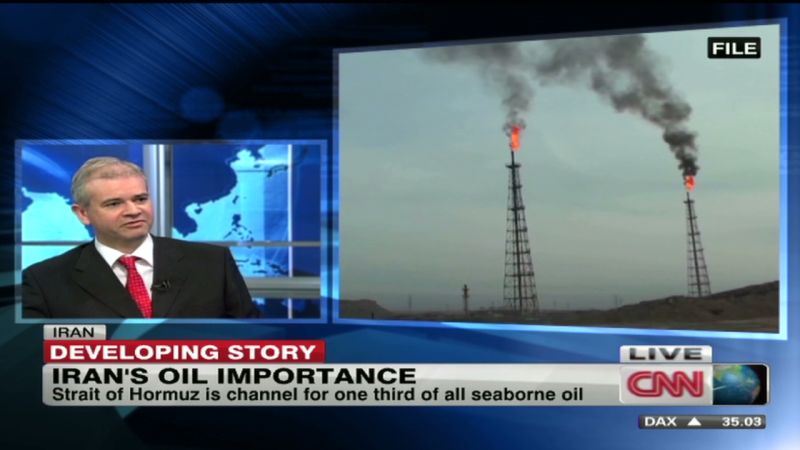
Iran has announced a ceasefire in the recent conflict, instilling hope for stability in the region. Nevertheless, global oil markets remain under considerable pressure, with prices continuing to fluctuate due to uncertainty surrounding supplies.
This announcement comes at a critical time, as markets are grappling with rising prices resulting from geopolitical tensions. Analysts have indicated that the ceasefire could help alleviate some of the pressures on the markets, yet challenges persist.
Details of the Ceasefire
The Iranian government declared a ceasefire following a series of clashes that exacerbated the situation in the region. This decision comes after increasing international pressure calling for dialogue and negotiation. Some countries have welcomed this announcement, viewing it as a positive step towards achieving peace.
Despite this, concerns remain regarding the impact of this conflict on oil supplies. Iran is one of the largest oil producers in the world, and any disruptions in its production could significantly affect global markets.
Background & Context
Historically, Iran has experienced numerous internal and external conflicts that have affected its political and economic stability. In recent years, tensions between Iran and Western countries have escalated, leading to harsh economic sanctions imposed on the country. These sanctions have directly impacted the oil sector, which is considered the lifeblood of the Iranian economy.
Under these circumstances, the international community is seeking to find lasting solutions to the conflicts in the region, as Iran's stability has direct implications for security and energy in the Middle East.
Impact & Consequences
The ceasefire is an important step towards calming the situation, but it does not guarantee long-term stability for oil markets. Fears of renewed conflicts or escalating tensions could lead to new price fluctuations. Additionally, ongoing economic pressures on Iran may affect its ability to fully resume oil production.
Market analysis suggests that any improvement in the security situation could lead to an increase in Iranian oil production, which may help alleviate pressures on global prices. However, challenges remain, and the situation must be monitored closely.
Regional Significance
The developments in Iran have significant implications for global oil markets, influencing both local and international economies. The stability of Iran is crucial not only for the region but also for the broader energy landscape.
In conclusion, while the ceasefire offers a glimmer of hope for peace and stability, the underlying issues and tensions in the region continue to pose risks that could impact oil supplies and market dynamics.