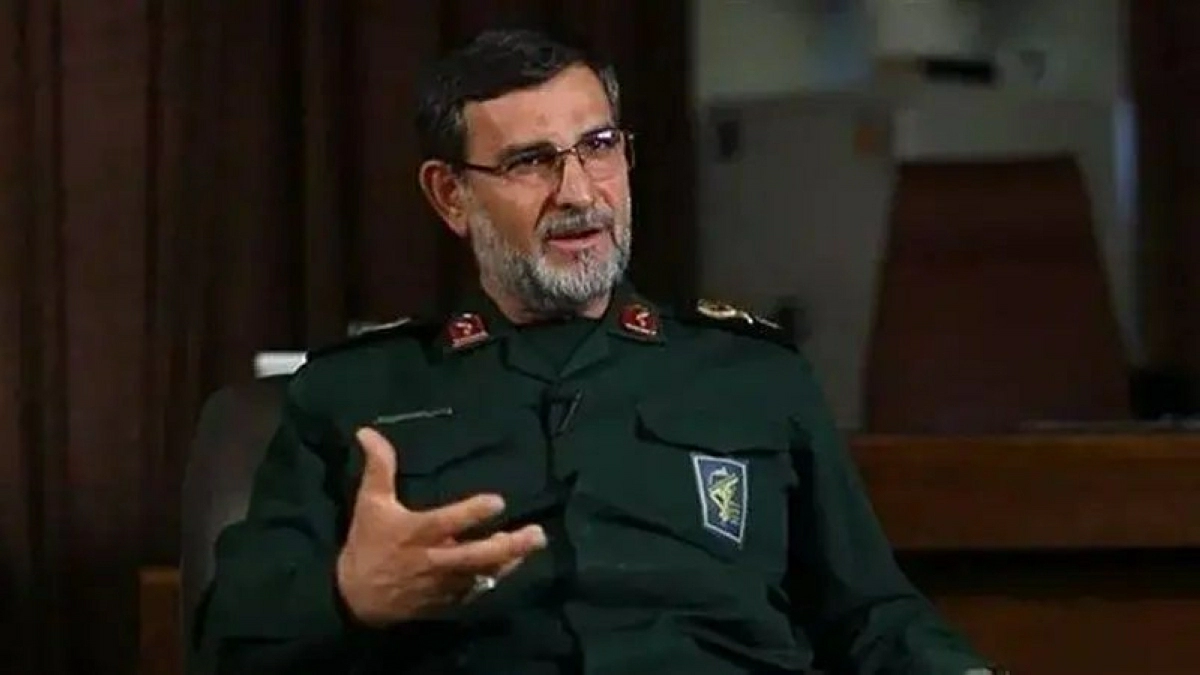
Iran has officially announced the death of the commander of the Iranian Revolutionary Guard Navy, Ali Reza Tangsiri, four days after Israel confirmed that it had targeted him. A statement from the Revolutionary Guard, published by the Tasnim news agency, indicated that Tangsiri was involved in "organizing forces and strengthening the defense shield for the islands and coasts," and he died "due to the severity of his injuries."
The statement added that the naval forces of the Revolutionary Guard, despite Tangsiri's absence in recent days, had achieved "crushing blows" and continued to maintain decisive control over the Strait of Hormuz. The Revolutionary Guard issued a clear threat in its statement, saying it "will not rest until the enemy is completely destroyed."
Details of the Incident
Ali Reza Tangsiri was one of the prominent leaders in the Revolutionary Guard, responsible for overseeing the passage of ships through the Strait of Hormuz, a strategic waterway through which approximately 20% of the world's oil passes. Tangsiri was known for his strong statements against the United States and Israel, frequently threatening that any ship associated with the enemy was not permitted to pass through Iranian waters.
In 2019, the U.S. Treasury Department imposed sanctions on Tangsiri along with several Revolutionary Guard leaders after Iran shot down an American drone near the strait. This incident was one of several tensions between Iran and the United States in recent years, escalating conflict in the region.
Background & Context
Historically, the Strait of Hormuz has been a major point of tension between Iran and Western countries, witnessing numerous military incidents and escalations. In recent years, tensions have notably increased, especially following the U.S. withdrawal from the Iranian nuclear deal in 2018, which led to the imposition of severe economic sanctions on Iran.
Tangsiri's death is a significant blow to the Revolutionary Guard, as he played a prominent role in the strategic planning of naval military operations. His death may lead to an escalation of tensions in the region, with Iran expected to respond strongly to any future aggressions.
Impact & Consequences
Tangsiri's death comes at a sensitive time for Iran, which is facing increasing pressure from the international community due to its nuclear program and military behavior in the region. This incident is likely to lead to heightened military preparations in Iran, especially given the growing threats from Israel and the United States.
The Revolutionary Guard may also use this incident to bolster its internal position, as Tangsiri's death could be seen as a call for national unity against external enemies. The region is expected to witness further escalation in military operations, particularly in the Strait of Hormuz, which is considered a lifeline for the global economy.
Regional Significance
Events in Iran directly affect the Gulf Arab states, as these countries are among the largest beneficiaries of stability in the Strait of Hormuz. Any military escalation could impact oil movement and increase energy prices, adversely affecting Arab economies.
Moreover, Tangsiri's death could lead to heightened tensions between Iran and Gulf states, potentially opening the door for further regional conflicts. Therefore, upcoming events in Iran will be closely monitored by Arab countries, which seek to maintain their stability and security.