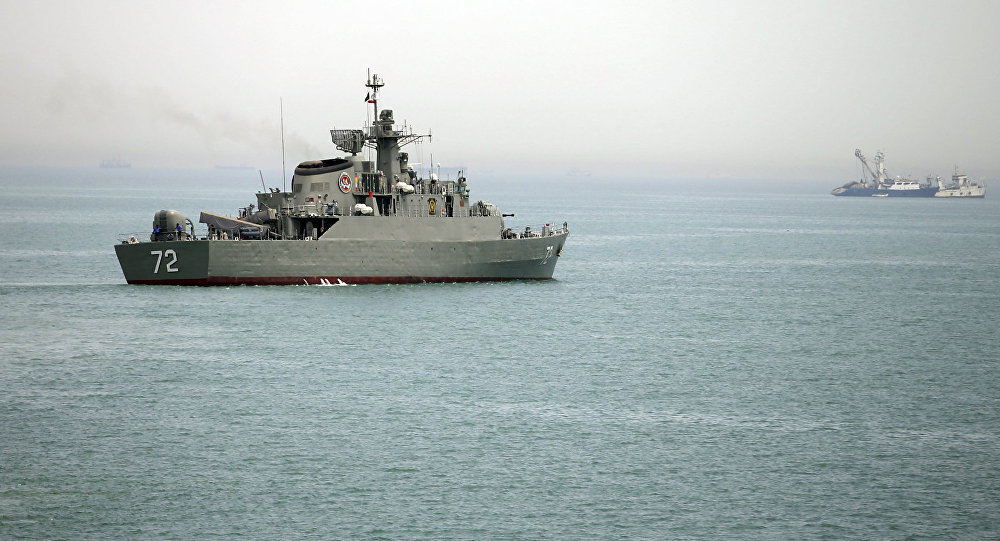
The Iranian Revolutionary Guard has reported that it is nearing the completion of necessary preparations to impose new conditions in the Strait of Hormuz, which has seen a significant decline in maritime traffic since the onset of the conflict with the United States and Israel. The naval forces of the Revolutionary Guard stated in a post on platform X that "the naval power of the Revolutionary Guard is completing operational preparations for the Iranian authorities' announced plan for a new order in the Arabian Gulf."
The Iranian forces also warned that the situation in the strait "will never return to its previous state, especially for the United States and Israel." This warning follows former U.S. President Donald Trump's renewed threats to strike Iranian power stations and bridges if this vital maritime corridor is not reopened.
Details of the Situation
Since the beginning of the conflict on February 28, Iran has allowed only limited passage through the Strait of Hormuz, significantly impacting the flow of about 20% of global oil and gas. The official Omani news agency reported that Iran and Oman have held talks about facilitating passage through the strait, which remains effectively closed due to the ongoing conflict.
In recent weeks, some Iranian lawmakers have proposed imposing fees and taxes on ships passing through this waterway, reflecting Iran's approach to enhancing control over this strategic area.
Background & Context
The Strait of Hormuz is considered one of the most important waterways in the world, through which a large portion of global oil exports pass. Historically, the strait has witnessed ongoing tensions between Iran and Western countries, particularly the United States, which views Iran as a threat to regional security.
It is noteworthy that the recent conflict has intensified tensions, as Iran seeks to bolster its influence in the region by imposing new conditions on navigation in the strait, which could exacerbate economic and political crises in the area.
Impact & Consequences
The Iranian warnings indicate that any changes to the current situation could lead to a potential military escalation in the region. Iranian control over the Strait of Hormuz could significantly affect global oil prices, impacting the entire global economy.
These developments may also increase tensions between Iran and Western countries, placing the region in a state of instability. The United States and its allies are likely to seek countermeasures, which could escalate the conflict further.
Regional Significance
Arab countries neighboring the Strait of Hormuz, such as Saudi Arabia and the UAE, are among the most affected by these developments. Any disruptions in navigation could impact oil exports from these countries, leading to negative economic repercussions.
Furthermore, the rising tensions in the region may affect regional security, as Arab countries may be compelled to adopt more cautious stances in their dealings with Iran and the United States.
Recent developments in the Strait of Hormuz highlight the strategic importance of this waterway and shed light on the challenges facing the region amid escalating tensions. It is crucial for Arab nations to closely monitor these events and be prepared to address any potential repercussions that may arise.