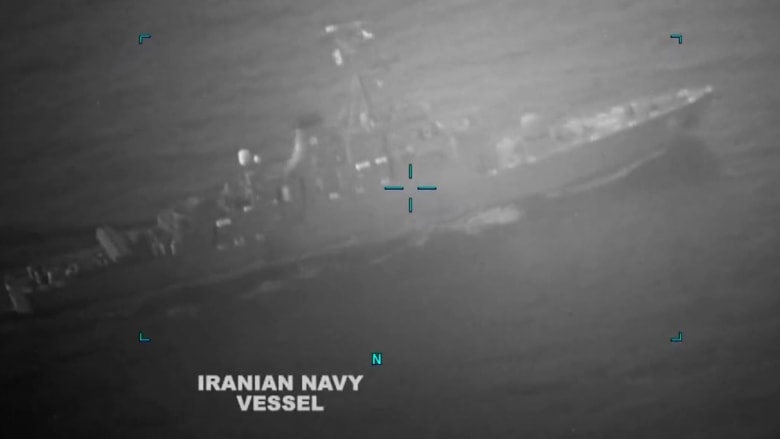
Iran has unveiled new plans aimed at implementing a fee system for traffic in the Strait of Hormuz, restricting passage to 'non-hostile' vessels only. This move is part of Tehran's efforts to enhance control over this strategic waterway, which is considered one of the most crucial oil transit points in the world.
Reports indicate that this system could remain in place even after the current conflict ends, raising concerns about its impact on global trade. The Strait of Hormuz, through which approximately 20% of the world's oil supplies pass, is a vital point in the global economy, and any changes in its regulation could significantly affect oil prices and global markets.
Details of the Announcement
Iran is seeking to implement a new system that includes imposing fees on vessels crossing the Strait of Hormuz, with official sources confirming that this system will be limited to ships deemed 'non-hostile.' This means that vessels flying the flags of certain countries may face restrictions or additional fees, potentially complicating traffic in the area.
This announcement comes amid escalating tensions between Iran and the United States, as Tehran seeks to bolster its position in the region by controlling one of the most important maritime corridors. Iranian officials have indicated that this system could have long-term effects on international trade, raising concerns among countries reliant on this passage.
Background & Context
The Strait of Hormuz has been a strategic point for decades, witnessing numerous conflicts and political tensions. In recent years, tensions between Iran and the United States have intensified, particularly following the latter's withdrawal from the nuclear agreement in 2018. This withdrawal led to the imposition of economic sanctions on Iran, further escalating tensions in the region.
Historically, Iran has used the Strait of Hormuz as a means to exert pressure on Western nations, viewing it as part of its national sovereignty. In this context, the new plans come as part of a broader strategy to enhance control over the area, especially in light of increasing threats from American forces.
Impact & Consequences
If this system is implemented, it could lead to heightened tensions in the region, as affected countries may respond with countermeasures. This move is likely to increase oil prices, impacting the global economy as a whole. Additionally, imposing fees on ships could reduce trade traffic, which may negatively affect the Iranian economy itself.
This step also serves as a test of Iran's ability to enforce its policies amid international pressures. If Tehran successfully implements this system, it may encourage other countries to adopt similar policies, complicating the situation in global maritime corridors.
Regional Significance
Developments in the Strait of Hormuz directly impact Arab countries, particularly those reliant on oil exports. Any changes in traffic or increases in fees could lead to rising oil prices, affecting Arab economies. Moreover, increased tensions in the region could escalate conflicts, threatening the stability of neighboring countries.
In light of these circumstances, Arab nations must be prepared to address any repercussions that may arise from this move, whether through enhancing regional cooperation or seeking alternatives to secure energy supplies.