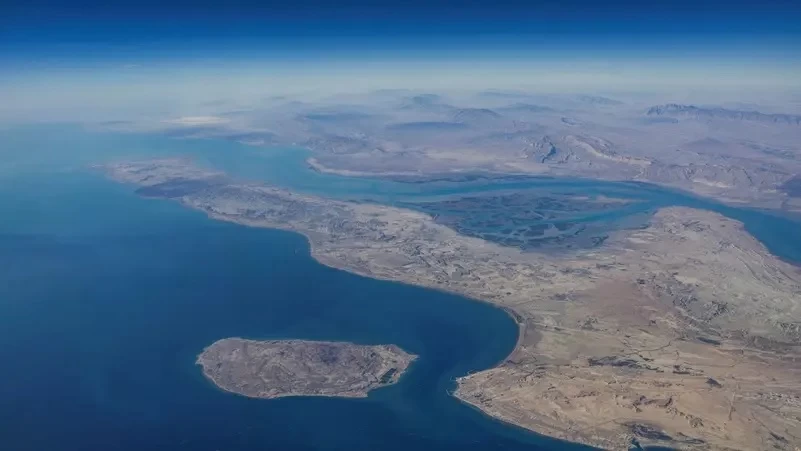
Iran's Foreign Minister Abbas Araghchi announced on Wednesday that Iran will allow safe passage through the Strait of Hormuz for two weeks, in coordination with the Iranian armed forces. This announcement is part of Iran's efforts to ease regional tensions, with Araghchi stating that the country will halt attacks if attacks against it cease.
Iranian state media reported from the Supreme National Security Council that negotiations with the United States will begin on Friday, April 10, in the Pakistani capital Islamabad. These talks follow Tehran's proposal of a ten-point plan to Washington via Pakistan, emphasizing that these discussions do not signify the end of the ongoing conflict between the two parties.
Details of the Event
The negotiations, which may last up to 15 days with the possibility of extension, aim to finalize the details of the Iranian proposal. This proposal includes provisions related to the passage through the Strait of Hormuz, lifting sanctions imposed on Iran, and the withdrawal of U.S. forces from their regional bases. The Supreme National Security Council of Iran also confirmed that the proposal includes acceptance of the uranium enrichment program, in addition to lifting all primary and secondary sanctions, providing full compensation to Tehran, and releasing its frozen assets.
At the same time, Iran continues to assert its firm stance that any attack against it will be met with a strong response. This position reflects the ongoing tensions in the region, where the Strait of Hormuz is considered a vital strategic point for the transport of oil and natural gas.
Background & Context
The Strait of Hormuz is one of the most important waterways in the world, through which approximately 20% of global oil passes. Historically, the strait has witnessed numerous military and political tensions, especially between Iran and the United States. In recent years, tensions have significantly escalated, leading to mutual threats between the two sides.
This negotiation comes at a sensitive time, as Iran seeks to improve its economic situation, which has been severely affected by U.S. sanctions. There are also internal pressures on the Iranian government to reach an agreement that alleviates the economic burdens on the Iranian people.
Impact & Consequences
If the negotiations succeed, they could lead to a de-escalation of tensions in the region, potentially contributing to the stability of global oil markets. On the other hand, any failure in the talks could escalate tensions, negatively affecting maritime traffic in the Strait of Hormuz.
Reaching an agreement could open the door for improving relations between Iran and the United States, which may positively reflect on the security situation in the region. However, the most likely scenario remains the continuation of tensions, especially given the lack of trust between the two sides.
Regional Significance
The Gulf Arab states, particularly Saudi Arabia and the United Arab Emirates, are among the most affected by developments in the Strait of Hormuz. Any escalation in tensions could impact oil exports and increase energy prices, which would reflect on Arab economies.
Ultimately, hope remains pinned on the success of the negotiations, as the stability of the region heavily depends on how the involved parties handle the outstanding issues.