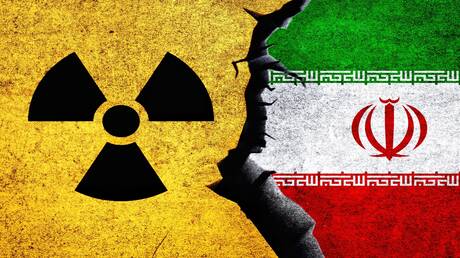
Iran's parliamentary spokesperson for the National Security and Foreign Policy Committee, Ali Rezaei, has declared that the continuation of Iran's membership in the Nuclear Non-Proliferation Treaty (NPT) is no longer meaningful. These remarks come at a sensitive time when the region is witnessing escalating tensions surrounding Iran's nuclear program, opening the door to questions about the future of Iran's international relations.
The NPT is one of the most significant international treaties aimed at preventing the spread of nuclear weapons and promoting cooperation in the peaceful use of nuclear energy. Iran joined this treaty in 1968, but has faced criticism and accusations from some Western countries regarding its compliance with the treaty's terms.
Details of the Announcement
Rezaei's statements were made during discussions in the Iranian parliament regarding the country's nuclear policy. He emphasized that the current situation necessitates a reevaluation of Iran's international commitments, indicating that continued membership in the treaty no longer serves the country's interests. He added that Iran needs to take serious steps to protect its national sovereignty.
These remarks coincide with rising tensions between Iran and Western nations, especially following the United States' withdrawal from the nuclear agreement in 2018, which led to the re-imposition of stringent economic sanctions on Tehran. There are also growing concerns that Iran may seek to further develop its nuclear program, potentially leading to an arms race in the region.
Context and Background
The NPT was established as part of international efforts to curb the proliferation of nuclear weapons and to enhance cooperation in the peaceful uses of nuclear energy. However, many countries, including Iran, have faced international pressures regarding their nuclear programs. Since 2002, Western nations have accused Iran of developing nuclear weapons under the guise of its peaceful nuclear program, leading to a series of negotiations and agreements that have not yielded tangible results.
Iran asserts that its nuclear program is a sovereign right and insists on its use for peaceful purposes only. However, international doubts about its intentions have increased pressure on Iran, prompting a reassessment of its strategy towards the treaty.
Consequences and Impact
Rezaei's statements could lead to a radical shift in Iran's nuclear policy, which may affect its relations with major powers. If Iran decides to withdraw from the treaty, it may face severe consequences, including increased international isolation and the imposition of new sanctions. This decision could also escalate tensions in the Middle East, where fears of a nuclear arms race are on the rise.
Furthermore, this decision could impact regional security, as neighboring countries like Saudi Arabia and Israel may feel a greater threat, potentially prompting them to bolster their military or nuclear programs. Thus, this decision could alter the balance of power in the region.
Impact on the Arab Region
This development poses a significant challenge for Arab countries, which are closely monitoring the developments of Iran's nuclear program. Iran's withdrawal from the treaty could heighten fears of nuclear proliferation in the region, necessitating a response from Arab nations to ensure their security and stability.
This situation may also evoke memories of past experiences, where the region witnessed similar tensions, requiring Arab countries to take proactive measures to address any potential repercussions.
In conclusion, the Iranian spokesperson's statements reflect a potential shift in the country's nuclear policy, warranting greater international and regional attention. The future of Iran's relations with the international community largely depends on how it addresses these new challenges.