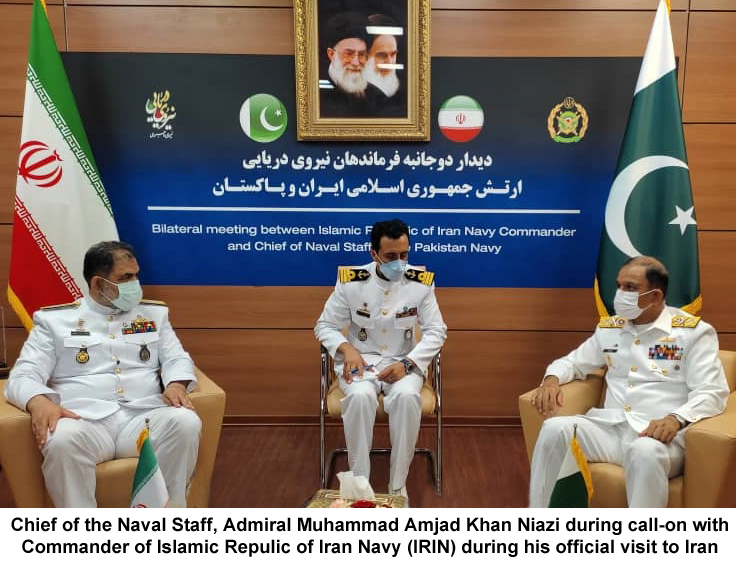
Iran has appointed Admiral Ali Reza Tangsiri as the new commander of its naval forces, a strategic step amid increasing tensions in the Strait of Hormuz. Tangsiri is recognized as a prominent figure in the Iranian navy and has played a significant role in enhancing Iran's control over vital waterways.
This appointment comes at a critical time, as international concerns grow over Iran's threats to navigation in the Strait of Hormuz, which is considered one of the world's most important maritime passages, with about 20% of global oil passing through it. This appointment is part of Iran's strategy to bolster its military presence in the region, which may heighten tensions with Western nations.
Details of the Appointment
Admiral Tangsiri, who has taken on his new role, is regarded as a seasoned military leader within the Iranian navy. He is known for taking a hardline stance against any threats to Iranian interests in its territorial waters. In recent years, the region has witnessed an uptick in Iranian naval activities, including ship seizures and threats against oil tankers.
The appointment of Tangsiri comes at a time when Iran is facing increasing international pressure, especially following the United States' withdrawal from the nuclear agreement and the reimposition of economic sanctions. These pressures have compelled Iran to enhance its military capabilities at sea, which is viewed as a response to the threats it faces.
Background & Context
The Strait of Hormuz, located between Iran and Oman, is a vital transit point for oil and natural gas. Historically, the strait has seen numerous conflicts and tensions, as control over it is crucial for oil-exporting countries. In recent years, Iran has increased its military presence in the region, raising concerns among neighboring countries and the United States.
Historically, Iran has used the Strait of Hormuz as a means to exert pressure on Western nations, particularly during times of crisis. With Tangsiri's appointment, it is expected that this strategy will continue, potentially leading to an escalation of tensions in the region.
Impact & Consequences
The appointment of Admiral Tangsiri may enhance Iran's ability to control the Strait of Hormuz, which could impact global oil prices. Any escalation in tensions could lead to price increases, posing a threat to global economies, especially those heavily reliant on oil.
Furthermore, this appointment may affect Iran's relations with neighboring countries, particularly those in the Gulf region. There are concerns that an enhanced Iranian military presence could lead to increased provocations, raising the likelihood of military conflicts in the area.
Regional Significance
For Arab countries, Tangsiri's appointment serves as a warning of rising tensions in the region. Any escalations in the Strait of Hormuz could have negative repercussions on regional security, increasing the need for enhanced security cooperation among Arab nations.
This situation also underscores the importance of seeking diplomatic solutions to ease tensions, as any escalation could impact the overall stability of the region.
In conclusion, the appointment of Admiral Tangsiri is a strategic move by Iran, signaling its intentions to bolster its military presence in the Strait of Hormuz. As tensions rise, the world remains watchful for developments in this sensitive region.