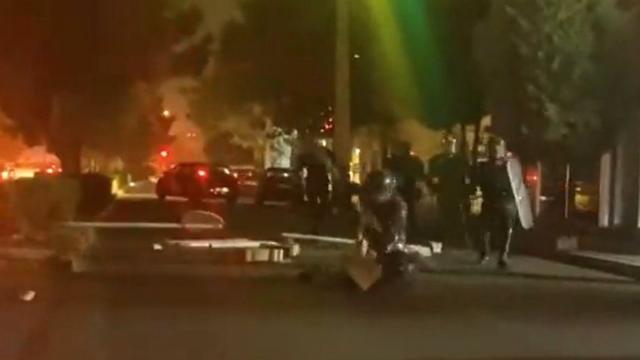
Iranian state media reported today that Iranian police have arrested 466 individuals on charges of engaging in cyber activities aimed at undermining national security. This security campaign comes at a sensitive time, as tensions in the region have escalated, particularly following the intensifying conflict between Iran and both Israel and the United States.
This crackdown is considered one of the largest security operations in Iran in recent years, with reports indicating that over 1,000 individuals were arrested last month alone on charges related to photographing sensitive sites or engaging in electronic activities that harm national security.
Details of the Operation
According to reports, the security campaign includes extensive searches and monitoring of electronic activities, targeting individuals believed to be involved in anti-government activities. Arrests have been carried out in several Iranian cities, indicating that the government is seeking to tighten its grip on any form of opposition or activity that could be perceived as a threat to national security.
These arrests come at a critical time for Iran, as international pressures on the country have increased, especially following recent events in the region. Government spokespersons have indicated that these measures aim to protect the country from any potential threats, whether internal or external.
Background & Context
Historically, Iran has witnessed numerous security campaigns against opponents and activists, especially amid the political and economic crises the country faces. Since 1979, the Iranian government has followed a strict policy against any activity deemed a threat to the ruling regime, resulting in widespread arrests.
In recent years, with the increasing use of technology and social media, electronic activities have become a primary target for the government. Authorities are striving to control the information being circulated and prevent any form of protest or opposition.
Impact & Consequences
This security campaign is a step that may exacerbate the situation in Iran, as citizens may feel increased anxiety and fear of arrest due to their daily activities. Additionally, these measures could heighten tensions between the government and citizens, potentially negatively impacting internal stability.
Furthermore, this campaign may affect Iran's relations with the international community, as it could be seen as a violation of human rights and a restriction of individual freedoms. This could lead to increased international pressure on Iran, possibly resulting in new sanctions or heightened diplomatic tensions.
Regional Significance
Events in Iran directly impact the Arab region, as Iran is considered a key player in many regional conflicts. This security campaign may increase tensions between Iran and Arab countries, particularly those concerned about Iran's influence in the region.
Moreover, the rising repression in Iran may encourage some opposition groups in Arab countries to take more hardline stances against their governments, potentially leading to explosive situations in some nations. Therefore, events in Iran remain a significant concern for Arab states and international observers.
In conclusion, this security campaign in Iran reflects the challenges the government faces in maintaining security and stability while raising questions about human rights and individual freedoms in the country. It remains to be seen how the situation will evolve in the coming days and whether these measures will lead to positive or negative outcomes in the long term.