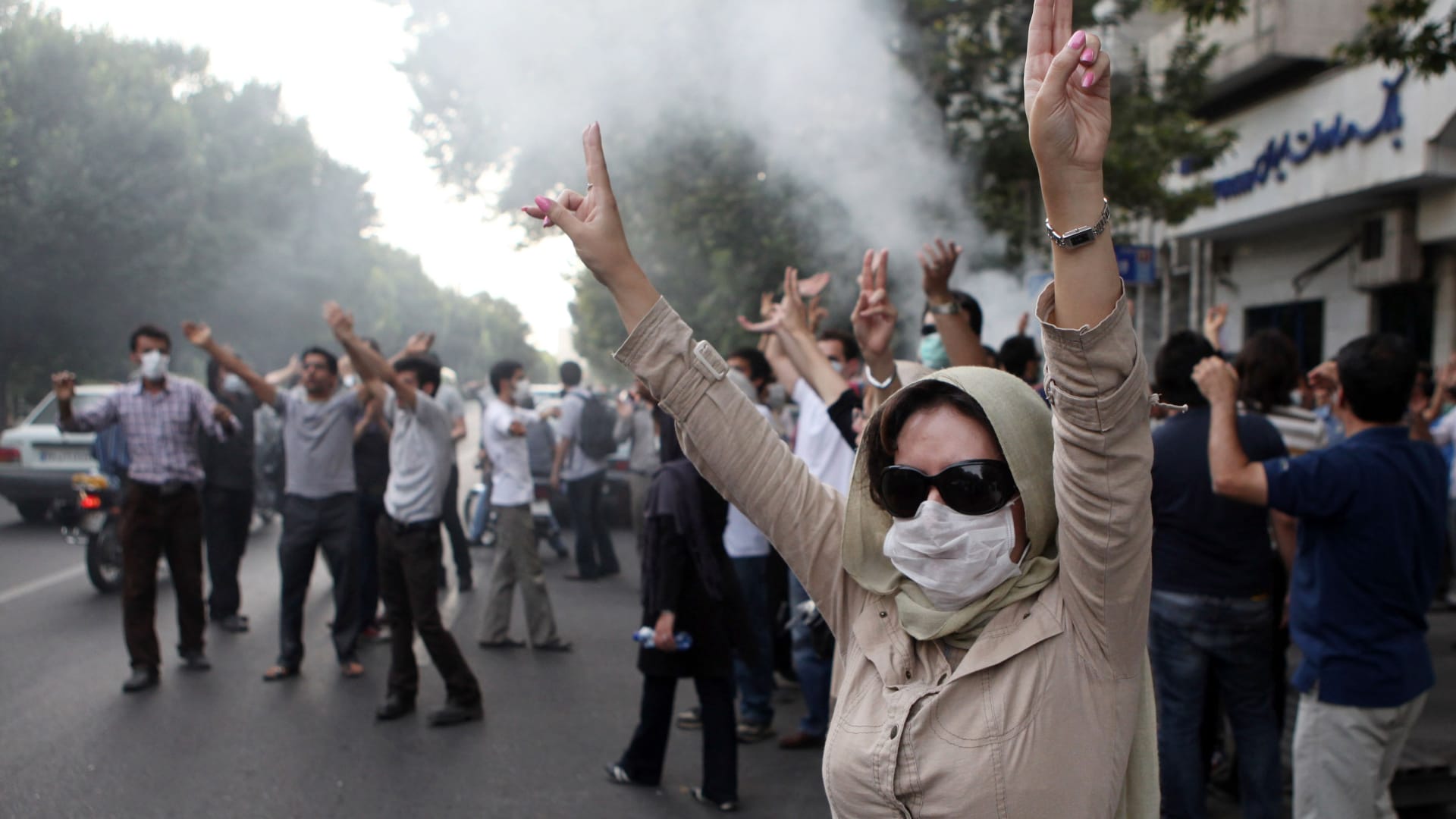
Iranian authorities announced on Wednesday the arrest of 50 individuals in the northern province of Mazandaran, accusing them of being linked to two opposition channels based in London. According to a statement from the Mazandaran Security Directorate broadcast on Iranian state television, the detainees were in contact with Iran International and Manoto, providing them with information and locations related to security and military centers.
These arrests are part of a broader campaign by the Iranian government against opponents and activists who communicate with media outlets that criticize the regime. The Iranian police chief previously indicated that these measures aim to protect national security and combat activities that the government considers a threat.
Details of the Arrests
The arrests come at a sensitive time for Iran, which is experiencing increasing internal tensions, especially following the protests that erupted in 2022. Reports have shown that the detainees were communicating with the two opposition channels to provide information related to military and security movements, raising concerns among the authorities.
On March 15, the Iranian police chief announced the arrest of several individuals on charges of espionage for opposition channels, reflecting the government's growing concern over the influence of these channels on Iranian public opinion.
Background & Context
The channels Iran International and Manoto were established in London and are considered prominent media outlets that address Iranian affairs from an opposition perspective. They were founded under complex political circumstances, as many Iranians abroad seek to voice their demands to the international community.
Historically, Iran has adopted a strict policy towards opponents, with many activists and journalists arrested on charges related to espionage or incitement. This policy reflects the government's concern over any potential threat to its stability, especially amid the difficult economic and social conditions the country is facing.
Impact & Consequences
These arrests raise questions about freedom of expression in Iran, as many fear that the government will continue to target opponents and activists. Additionally, these events may lead to increased tensions between the government and civil society, which could negatively impact internal stability.
Moreover, these arrests could affect relations between Iran and Western countries, as human rights and freedom of expression are sensitive points in these relations. It is likely that these events will provoke international reactions, potentially increasing pressure on the Iranian government.
Regional Significance
These developments are particularly significant for the Arab region, reflecting the challenges faced by regimes in dealing with opponents. Many Arab countries are also witnessing protests and calls for reform, making it essential to monitor how governments handle these issues.
Furthermore, the rise of repression in Iran may influence opposition movements in neighboring countries, as activists could draw inspiration from the experiences of Iranians in confronting repressive regimes.
In conclusion, these arrests reflect the ongoing tensions in Iran and highlight the challenges the government faces in maintaining its stability under current conditions. It is important to follow developments in this matter, as it may have far-reaching implications for the regional and international landscape.