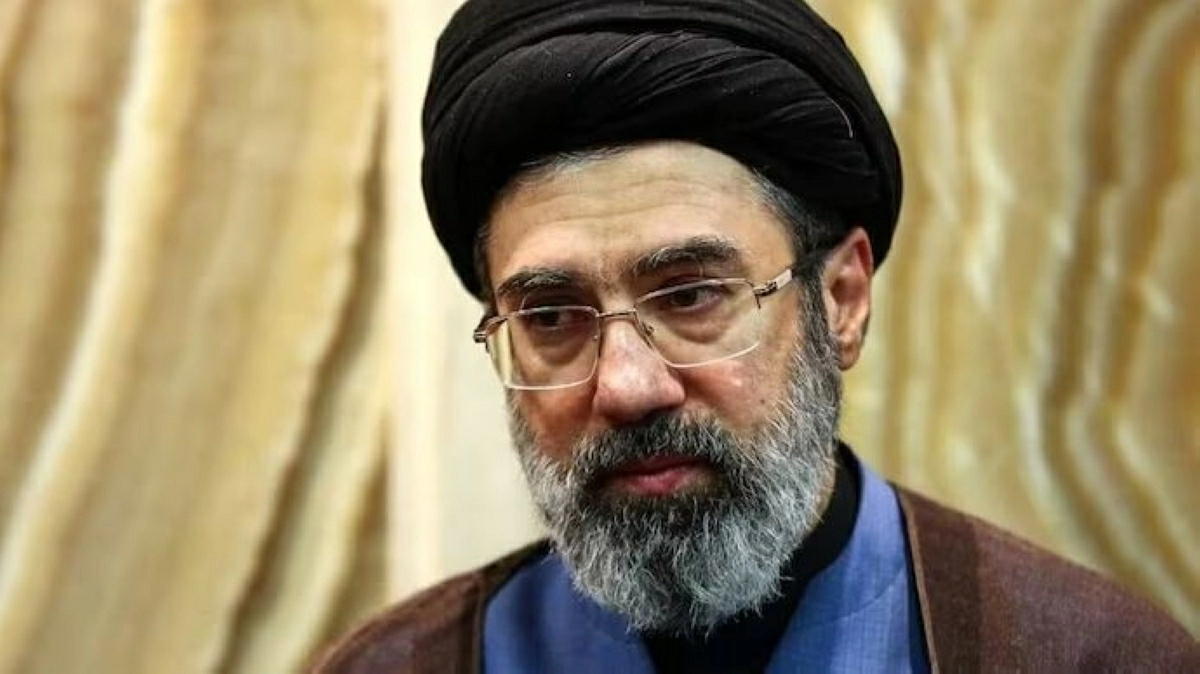
In strong statements, Iran's Supreme Leader, Mojtaba Khamenei, affirmed that the country's forces will not be impacted by the assassinations targeting military leaders, following the assassination of General Majid Khadami, who served as head of the Islamic Revolutionary Guard Corps (IRGC) intelligence. Khamenei explained that Khadami dedicated decades to serving the country in security, intelligence, and defense roles, highlighting his significant position within the Iranian military structure.
In a written statement, Khamenei said, "The unbroken ranks of fighters in Iran, alongside the dedicated armed forces, form a strong front that terrorism and crime cannot affect. These remarks come at a sensitive time, as Israel has targeted several Iranian political and military officials since the conflict escalated at the end of February.
Details of the Assassination
Tehran announced the assassination of General Khadami, who is regarded as a prominent figure in the IRGC, with the Israeli Defense Minister describing him as a "direct responsible" for the deaths of Israeli civilians. The Israeli forces also confirmed the elimination of Colonel Asghar Bagheri, commander of the special operations unit in the Quds Force of the IRGC, indicating an escalation in military operations between Iran and Israel.
Simultaneously, Tehran has not commented on Israel's claims regarding the elimination of Bagheri, raising questions about Iran's potential response. The IRGC spokesman, Ibrahim Zolfaghari, stated that former President Donald Trump's threats to destroy the country are "lies," emphasizing that Iran will continue to resist any aggressions.
Background & Context
Historically, Iranian-Israeli relations have experienced increasing tension, especially as Israeli military activities against Iranian targets in the region have intensified. Since the onset of the conflict, Israel has targeted several Iranian military leaders, reflecting an Israeli strategy aimed at undermining Iranian military power.
These events occur amid rising regional tensions, as Iran seeks to enhance its influence in the region by supporting armed groups in Iraq, Syria, and Lebanon. Such activities have elicited strong reactions from the United States and its allies in the region.
Impact & Consequences
The assassinations of Iranian military leaders represent a move that could escalate the conflict in the region, as Iran may respond with retaliatory operations against Israeli targets. Additionally, these events could affect regional stability, heightening tensions among regional and international powers.
Iran is expected to continue bolstering its military capabilities, especially in light of increasing threats from Israel. This may lead to heightened investments in military and technological programs, reflecting Iran's desire to maintain its strength in the face of external challenges.
Regional Significance
These events underscore the escalating tensions between Iran and Israel and their potential impact on regional stability. The ongoing conflict could have far-reaching implications for security dynamics in the Middle East, influencing the actions of various state and non-state actors.
In conclusion, the situation remains precarious, with both sides poised for further confrontations, and the international community closely monitoring developments in this volatile region.