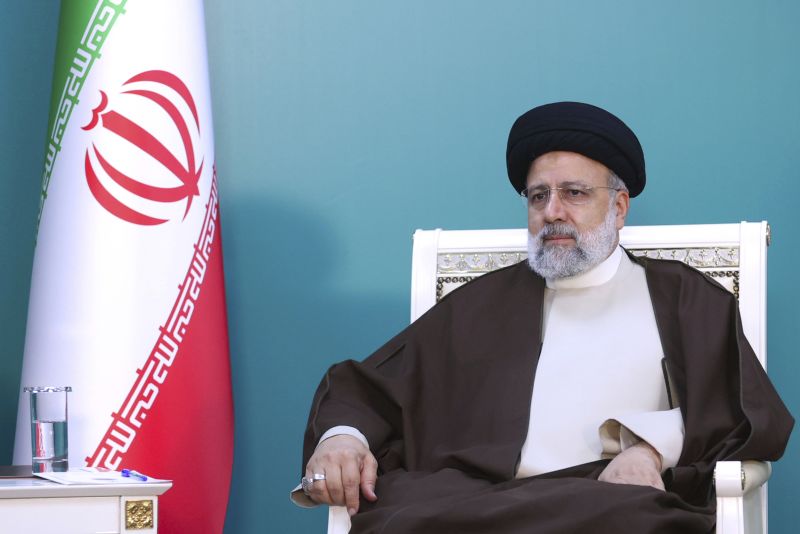
In recent statements, Iranian President Ebrahim Raisi confirmed that his country is not seeking to target the Gulf states, pointing out that Iran has been subjected to attacks from Gulf territories. These remarks come at a time when the region is experiencing escalating political and military tensions, raising concerns among neighboring countries.
Raisi clarified that Iran aims to enhance security and stability in the region and does not wish to escalate situations with its neighbors. These statements were made during a press conference held in Tehran, where he emphasized the importance of dialogue and cooperation among nations.
Details of the Event
Raisi's statements come amid rising tensions between Iran and the Gulf states, particularly following a series of military incidents in the region. In recent months, there have been attacks on oil facilities and commercial vessels, which have heightened tensions between Iran and its neighboring countries.
The Iranian president also noted that his country has faced attacks from Gulf territories, reflecting the security challenges Iran is encountering. Raisi called for regional cooperation to address these challenges, stressing that dialogue is the best way to resolve conflicts.
Background & Context
Historically, relations between Iran and the Gulf states have been marked by increasing tensions, especially following the 1979 Iranian Revolution. Various factors, including regional conflicts and foreign interventions, have contributed to the exacerbation of these tensions.
In recent years, concerns have grown over the escalation of military conflicts, particularly in light of the ongoing conflicts in Yemen and Syria. Additionally, the economic sanctions imposed on Iran have increased pressure on the Iranian regime, prompting it to seek to bolster its regional position.
Impact & Consequences
Raisi's statements underscore the importance of dialogue in alleviating tensions, yet they raise questions about the feasibility of achieving this under current circumstances. Military tensions could lead to escalated situations, negatively impacting security and stability in the region.
Moreover, the statements reflect Iran's desire to improve its relations with its neighbors, which could contribute to achieving a form of regional stability. However, the question remains regarding the Gulf states' responsiveness to these calls and their willingness to engage in dialogue.
Regional Significance
The tensions between Iran and the Gulf states directly affect security and stability in the Arab region. Ongoing conflicts could exacerbate humanitarian and economic conditions in the affected countries.
Any escalation could also impact oil prices and global markets, reflecting on the Arab economy as a whole. Therefore, dialogue and regional cooperation are essential for achieving stability in the region.
In conclusion, the Iranian president's statements serve as a call for dialogue, but challenges remain. Genuine efforts from all parties are required to achieve peace and stability in the region.