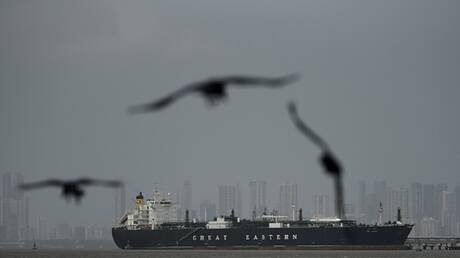
Kazem Jalali, the Iranian ambassador to Moscow, emphasized that his country has the full right—like other Gulf states—to freely export its oil through the Strait of Hormuz. These remarks come as tensions escalate in the region, raising questions about the future of maritime trade in one of the world's most crucial waterways.
The Strait of Hormuz is a vital point for oil transportation, with approximately 20% of the world's total oil passing through it. This waterway connects the Arabian Gulf to the Gulf of Oman and serves as a lifeline for oil-dependent economies in the region. Jalali's statements reflect Iran's steadfast position in defending its sovereign rights to oil exports amid the political and economic challenges it faces.
Details of the Statement
The Iranian ambassador's comments were made in the context of discussing the importance of the Strait of Hormuz as a vital conduit for global trade. He pointed out that Iran will not hesitate to take all necessary steps to protect its rights to oil exports. This statement highlights the increasing tensions between Iran and Western countries, especially in light of the sanctions imposed on Tehran.
Jalali also confirmed that his country adheres to international laws governing maritime navigation, noting that any attempt to obstruct Iranian oil exports will be met with strong reactions. This stance reflects Iran's determination to safeguard its economic interests despite political pressures.
Background & Context
Historically, the Strait of Hormuz has witnessed numerous crises and tensions, serving as a stage for several military and political conflicts. In recent years, tensions between Iran and the United States have intensified, impacting navigation in the region. The economic sanctions imposed on Iran have led to a reduction in its oil exports, increasing the significance of these statements.
Iran views the Strait of Hormuz as part of its sovereignty and considers any threat to navigation therein as a threat to its national security. This historical context adds an additional layer to understanding Jalali's remarks, reflecting Iranian concerns about any external interference in its affairs.
Impact & Consequences
These statements may lead to an escalation of tensions in the region, especially if Western countries respond negatively. Any attempt to obstruct Iranian oil exports could provoke military reactions, increasing the risk of conflict in the area. Such a scenario could affect global oil prices and heighten instability in the markets.
Additionally, these remarks may influence relations between Iran and neighboring countries, as some nations may feel anxious about rising tensions. At the same time, Iran may seek to strengthen its alliances with countries that support its right to export oil, potentially leading to shifts in regional alliances.
Regional Significance
The Arab countries bordering the Gulf are part of this complex landscape, as their economies heavily rely on oil exports. Any escalation in tensions could impact the stability of these nations and increase security risks in the region. Moreover, rising oil prices due to tensions could affect the global economy as a whole.
Thus, Kazem Jalali's statements carry significant weight, reflecting the challenges Iran faces and highlighting potential risks that could affect the entire region. Under these circumstances, the question remains about how the international community will respond to these tensions and whether a peaceful resolution can be achieved.