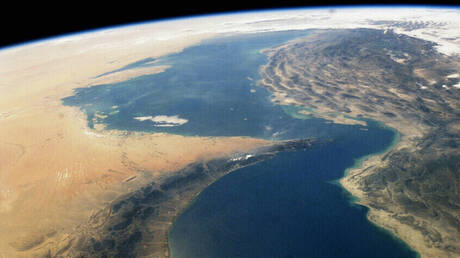
Jalal Dehghani-Firoozabadi, Secretary of Iran's Strategic Foreign Relations Council, emphasized the need to reinforce Iranian sovereignty over the Hormuz Strait, noting that this waterway serves as a strategic tool that enhances Iran's power in the region.
Dehghani-Firoozabadi's statements come at a time of increasing tensions in the area, where the Hormuz Strait is a vital transit point for oil and natural gas. Approximately 20% of the world's total oil exports pass through this strait, making it a strategic focal point in international politics.
Details of the Statement
He clarified that exercising sovereignty over the Hormuz Strait is not merely a political issue but a strategic necessity imposed by current circumstances. He pointed out that Iran has the capability to control this waterway, which is a key element of its strength in facing external challenges.
Furthermore, he added that enhancing Iranian control over the Hormuz Strait aligns with Tehran's strategies aimed at protecting its national interests and ensuring its national security. In recent years, there has been a rise in Iranian military activities in the region, including naval exercises intended to demonstrate strength and the ability to control vital waterways.
Background & Context
The Hormuz Strait is one of the busiest waterways in the world, with numerous commercial and military vessels passing through it daily. Historically, the strait has witnessed many crises and conflicts, including incidents related to piracy and tensions between Iran and Western countries.
In recent years, Iran has increased its military presence in the region, raising concerns among neighboring countries and the United States. Tehran has sought to bolster its influence by supporting armed groups in Iraq, Syria, and Lebanon, complicating the security situation in the area.
Impact & Consequences
Dehghani-Firoozabadi's remarks underscore the significance of the Hormuz Strait in Iranian strategy, which may escalate tensions with Western countries, particularly the United States. If Iran continues to strengthen its control over the strait, it could intensify conflict in the region and affect global oil prices.
Additionally, these statements may provoke reactions from Gulf countries that rely on this passage for oil exports, potentially leading to new alliances or further tensions in regional relations.
Regional Significance
The Gulf Arab states, particularly Saudi Arabia and the United Arab Emirates, are among the most affected by Iran's statements regarding the Hormuz Strait. Increased Iranian influence in this passage could lead to fluctuations in oil prices, impacting Gulf economies that heavily depend on oil exports.
Moreover, strengthening Iranian control over the strait may prompt Arab countries to reassess their security and military strategies, potentially leading to enhanced cooperation among Arab states to confront the growing Iranian challenges.
In conclusion, Jalal Dehghani-Firoozabadi's statements highlight the importance of the Hormuz Strait as a strategic tool in Iran's hands, necessitating close monitoring by the international community and Arab nations to ensure regional stability.