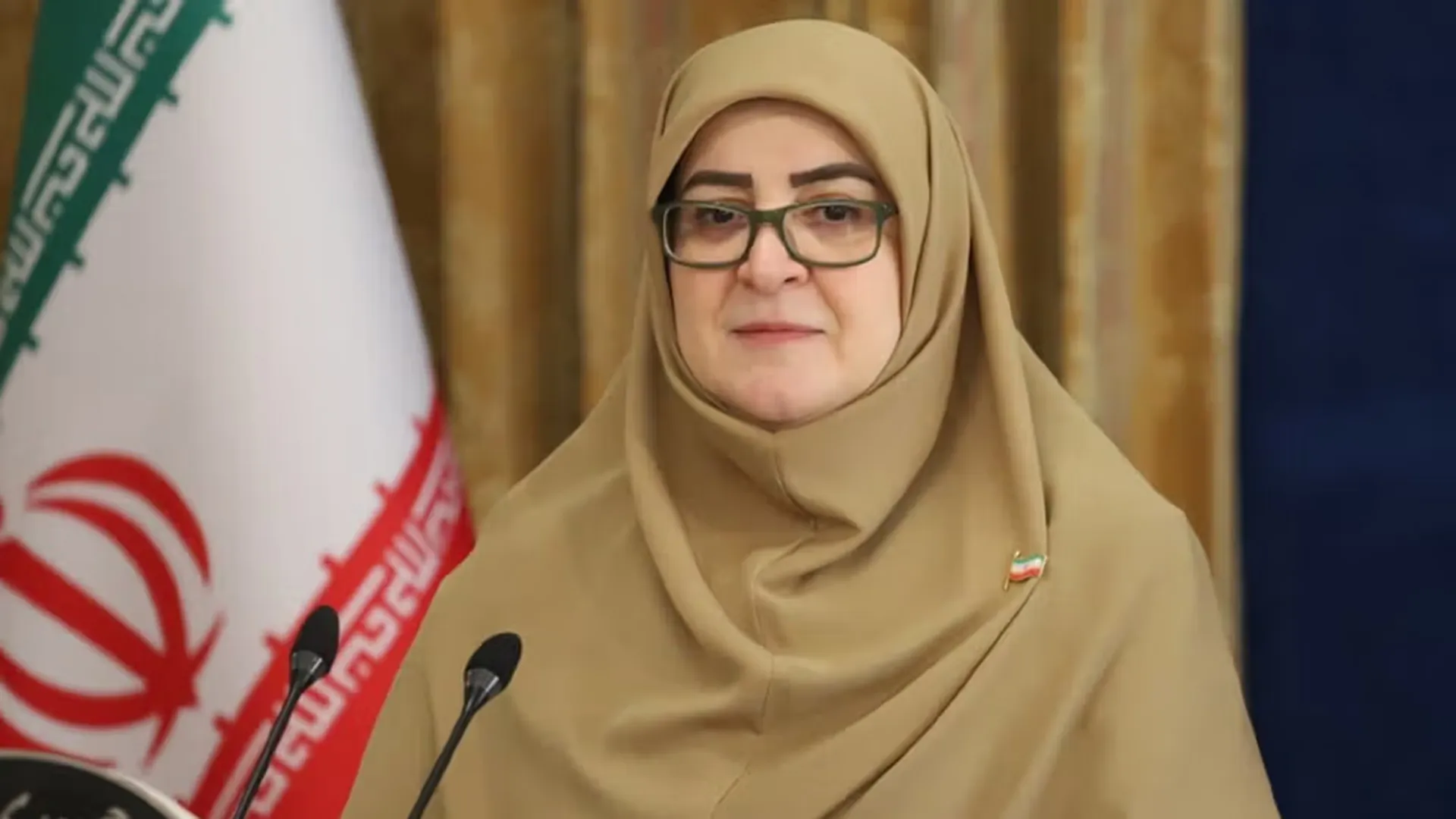
Iran's government spokesperson, Fatemeh Mohajerani, confirmed that Tehran does not anticipate positive results from the recent US diplomatic moves aimed at de-escalation. She stressed that Iran possesses the 'upper hand' in the ongoing confrontation and is striving to achieve its national interests and break the 'cycle of war.'
During an interview with Al Jazeera, Mohajerani explained that her country was not the initiator of the current war, highlighting the severe damages it has suffered, which have affected lives, property, and infrastructure. She asserted that these damages warrant compensation, especially after residential areas and a port were targeted, resulting in the deaths of 168 citizens, including students and teachers.
Details of the Situation
Mohajerani pointed out that one of Iran's main demands is the removal of the harsh economic sanctions that have negatively impacted the livelihood of the Iranian people. She considered that the war is caught in a vicious cycle that needs to be broken, characterized by a ceasefire followed by renewed escalation.
She emphasized the necessity of reaching a stage of stability that prevents the recurrence of attacks on her country, which is guaranteed by the publication put forth by the Iranian president, encompassing all matters related to the Strait of Hormuz.
Background & Context
In response to the possibility of reaching understandings following the 15 US proposals to halt the war, Mohajerani confirmed that the final decision regarding war and peace rests with the Supreme Commander of the Armed Forces according to the Iranian constitution. She noted the efforts made by the Foreign Ministry and its affiliated institutions aimed at de-escalation and resorting to diplomatic options.
Regarding the upcoming meeting of the foreign ministers of Pakistan, Saudi Arabia, Egypt, and Turkey, Mohajerani downplayed expectations, indicating that her country had faced two attacks during previous rounds of negotiations with Washington, which leads her to question US intentions.
Impact & Consequences
The government spokesperson added that Iran has the 'upper hand' in this war, with the armed forces holding the initiative, and that they are seeking lasting peace rather than just a temporary ceasefire. Mohajerani denied US claims of eliminating Iran's military capabilities, asserting that Tehran has dealt strong blows to US bases and the Zionist entity, emphasizing the strong solidarity between the Iranian people and their armed forces, which has manifested in ongoing public support.
Domestically, Mohajerani reassured Iranian citizens, confirming that the government has taken proactive steps and multiple scenarios in anticipation of a return of US President Donald Trump to power, which were successfully tested during the 12-day war.
Regional Significance
She clarified that essential services and infrastructure are functioning normally despite the attacks, thanks to coordination between the government and the people. She noted that the government has disbursed entitlements and aid ahead of schedule, as evidence of the government's efficiency in facing the crisis.
In conclusion, it appears that Iran is moving forward in strengthening its position in the current confrontation while emphasizing its lack of optimism regarding US actions. This situation could significantly impact regional stability and complicate relations between Tehran and Washington.