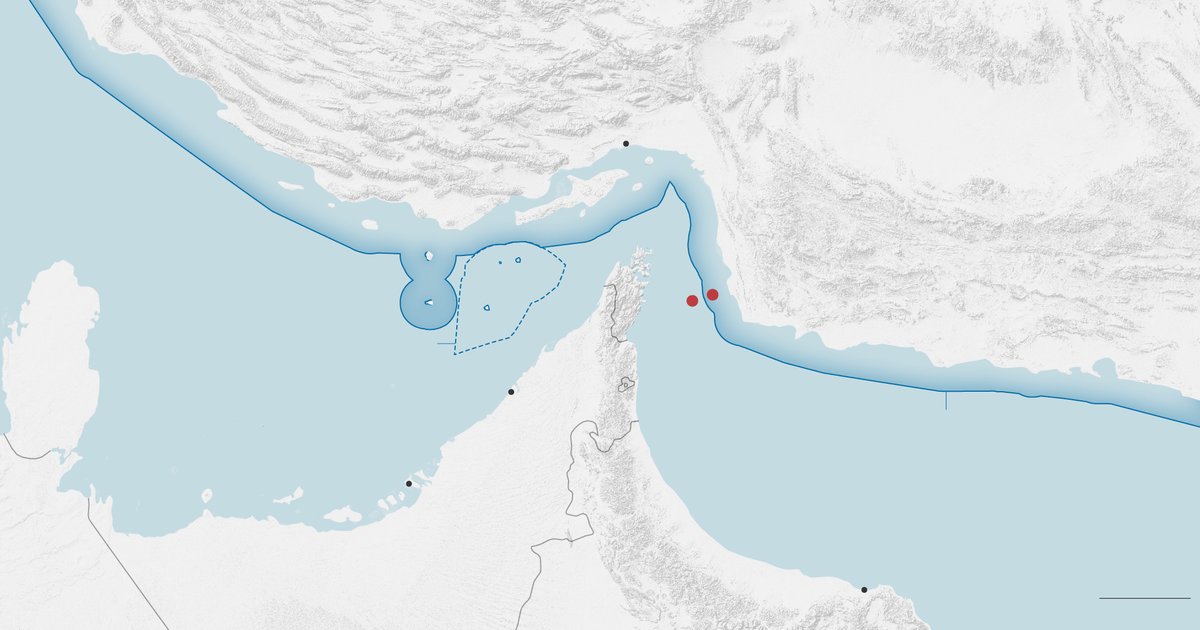
Iranian attacks on Gulf states persist, with new reports indicating Tehran's use of drones and missiles in its military operations. This escalation comes at a sensitive time as Gulf countries seek to bolster their security and stability in the face of increasing threats.
These attacks are considered part of Iran's regional strategy aimed at expanding its influence, which raises alarms among neighboring nations. Reports have shown that Iran has ramped up its production of advanced weaponry, including drones, which are employed in its military operations against targets in Gulf states.
Details of the Incident
Recently, military sources confirmed that Iran launched several drones towards targets in Gulf states, leading to heightened tensions. These operations specifically targeted vital installations, reflecting Tehran's intent to negatively impact regional security.
Reports also indicated that Iranian missiles were utilized in these attacks, further exacerbating the situation. These actions have led to military mobilization in Gulf states, where concerned nations have begun to enhance their air defenses to counter these threats.
Background & Context
Historically, relations between Iran and Gulf states have been tense, with the region witnessing numerous conflicts and disputes. Iran is a key player in regional conflicts and has previously employed similar tactics to increase its influence in the area.
Through these attacks, Iran aims to achieve political and strategic objectives amid ongoing tensions with the United States and its allies in the region. These actions also occur within the broader conflict between Iran and Sunni Arab states, complicating the regional landscape.
Impact & Consequences
Iranian attacks pose a real threat to regional security, potentially leading to escalated armed conflicts in the Gulf. Moreover, these actions could adversely affect the regional economy, especially given the heavy reliance on oil and gas.
These tensions may prompt international interventions, as major powers might seek to mediate the conflict or bolster their military presence in the region. Additionally, responses from Gulf states could involve enhancing military cooperation among themselves, potentially leading to a new arms race in the area.
Regional Significance
Iranian attacks impact the security and stability of the broader Arab region, with many Arab nations expressing concern over rising tensions. The continuation of these assaults could lead to greater divisions among Arab states, with some nations adopting more hostile stances towards Iran.
Furthermore, these events may affect relations between Arab countries and the international community, as some nations might seek to strengthen their alliances with Western powers to counter Iranian threats. Ultimately, there remains hope that the international community can find peaceful solutions to these escalating crises.