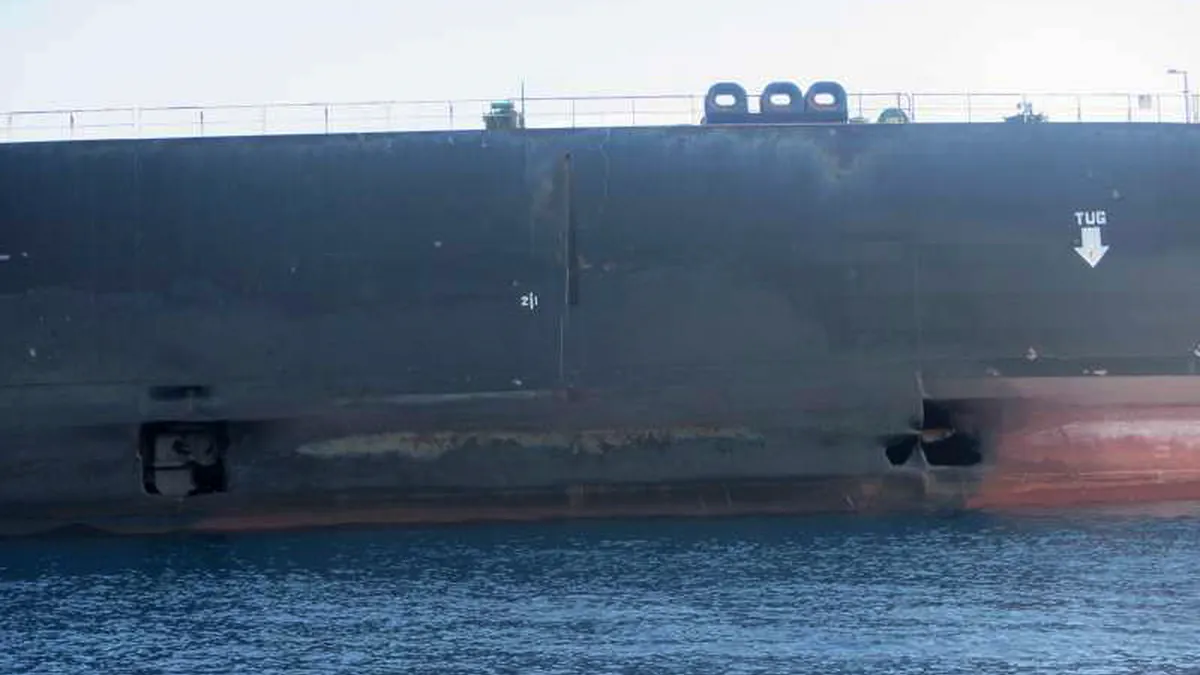
In a new escalation, Iran has attacked a Kuwaiti oil tanker near the city of Dubai, reflecting Tehran's choice of a policy of retaliation over dialogue. This incident comes at a time when the world is witnessing rising tensions in the Gulf region, where the Strait of Hormuz is a vital point for oil transportation.
Matt Gertken, chief geopolitical strategist at BCA Research, stated that this attack represents a "critical signal" from Iran, reflecting its desire to respond to international pressures rather than seeking diplomatic solutions. He also noted that such events could negatively affect market confidence in President Donald Trump's ability to achieve a peaceful settlement, despite reports indicating he is willing to end the dispute even if the Strait of Hormuz remains closed.
Details of the Incident
The attack on the Kuwaiti tanker occurs in the context of escalating tensions between Iran and the United States, with attacks on commercial vessels in the region increasing since the beginning of the year. The Kuwaiti tanker was targeted at a time when conditions in the Gulf were tense, raising concerns that such actions could lead to greater escalation in the conflict.
This incident is part of a series of attacks that have targeted oil tankers in the region, reflecting ongoing tensions between Tehran and its regional and international adversaries. Iran has been accused of involvement in many of these attacks, complicating the security situation in the Gulf.
Background & Context
Historically, the Gulf region has witnessed numerous conflicts and disputes that have had significant impacts on global oil markets. Since the United States withdrew from the Iranian nuclear deal in 2018, tensions between Iran and the West have escalated, leading to severe economic sanctions imposed on Tehran.
Iran considers the Strait of Hormuz a vital artery for oil transport, through which approximately 20% of global oil supplies pass. Therefore, any escalation in this strait could significantly impact global oil prices and market stability.
Impact & Consequences
The attack on the Kuwaiti tanker may lead to increased tensions in the region, which could negatively reflect on oil markets. Oil prices may rise if attacks continue, impacting the global economy as a whole.
Moreover, these events could increase pressure on the U.S. administration, as it will face greater challenges in attempting to achieve a peaceful settlement with Iran. This may require a reassessment of current strategies for dealing with Tehran, especially in light of ongoing escalation.
Regional Significance
The Gulf states, including Kuwait, are considered at risk due to these tensions. Attacks on oil tankers could affect energy security in the region, placing additional pressures on Arab governments to address these challenges.
Furthermore, escalating tensions may impact relations between Arab states and Iran, complicating the political landscape in the region. It is crucial for Arab countries to take proactive steps to protect their interests under these changing circumstances.
The attack on the Kuwaiti tanker reflects a dangerous shift in Iran's policy, raising concerns about security in the Gulf region. The current situation requires a coordinated response from Arab states and the international community to ensure regional stability.