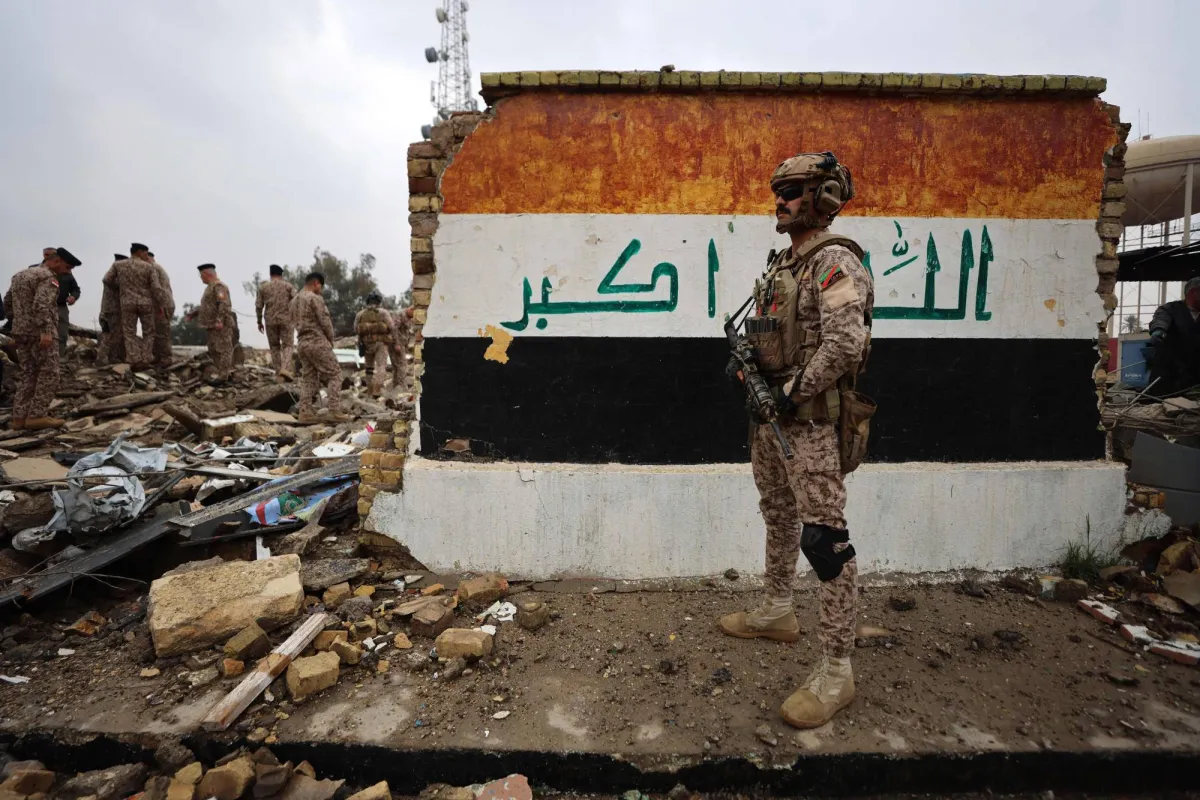
The U.S. Embassy in Iraq announced today, Thursday, that there has been an escalation of attacks carried out by Iran-aligned armed groups, targeting American citizens and U.S.-related objectives throughout the country, including the Kurdistan Region of Iraq.
In an official statement, the embassy confirmed that these terrorist militias have conducted extensive offensive operations, raising concerns about the safety of American citizens present in Iraq. It noted that the security situation has deteriorated significantly, necessitating urgent precautionary measures.
Details of the Attacks
The U.S. Embassy confirmed that its mission remains open to assist American citizens, despite issuing a departure order, urging Americans not to approach the embassy in Baghdad or the consulate general in Erbil due to the ongoing risks from rocket and drone attacks.
The embassy also warned of attempts by these groups to kidnap Americans, advising U.S. citizens to leave Iraq immediately to avoid serious risks they may face.
Background & Context
These developments come amid rising tensions between the United States and Iran, as Iran-backed armed groups continue their operations in Iraq, exploiting the political and security chaos plaguing the country. In recent years, there has been an increase in attacks on U.S. forces and interests in Iraq, reflecting ongoing tensions in the region.
Historically, relations between the United States and Iran have been strained, especially following Washington's withdrawal from the Iranian nuclear deal in 2018. These tensions have led to an escalation of violence in Iraq, where Iran-aligned militias are seen as part of the broader conflict between regional and international powers.
Impact & Consequences
These attacks indicate a deterioration of the security situation in Iraq, which could impact regional stability. The rise in violence may lead to increased tensions between the United States and Iran, complicating peace efforts in the region. This situation also reflects the challenges faced by the Iraqi government in controlling armed militias, which are considered part of the security and political fabric of the country.
Furthermore, these events could affect U.S. relations with its allies in the region, as they may require a military or diplomatic response from Washington to protect its interests and citizens.
Regional Significance
The repercussions of these attacks extend beyond Iraq, potentially affecting regional security overall. The conflict between the United States and Iran could draw other countries in the region into the cycle of violence, complicating situations in countries like Syria, Lebanon, and Yemen.
Additionally, the rise in violence may lead to an influx of refugees into neighboring countries, increasing the economic and social burdens on those nations. Under these circumstances, it becomes essential for Arab countries to cooperate to address the security and humanitarian challenges arising from this conflict.
In conclusion, these events highlight the urgent need for intensified diplomatic efforts to de-escalate tensions in the region and ensure the safety of both American and Iraqi citizens.