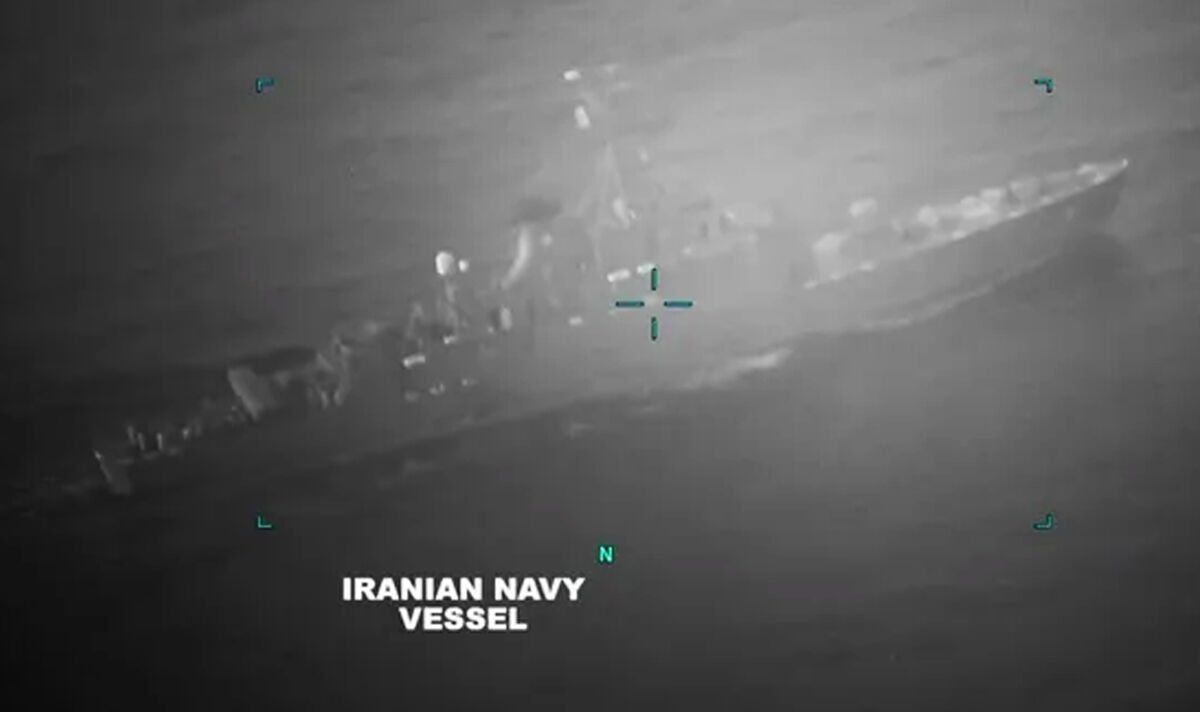
Iran has declared its decision to prohibit oil tankers from passing through the Hormuz Strait following a series of Israeli airstrikes that targeted petrochemical facilities in the country. This decision comes at a sensitive time when the region is witnessing increasing tensions, reflecting Iran's reaction to attacks that have impacted its vital infrastructure.
The Hormuz Strait is considered one of the most important maritime passages in the world, with approximately 20% of the world's oil passing through it. This move is expected to heighten tensions in the area, potentially affecting global trade and oil prices.
Details of the Ban
This development follows a series of airstrikes carried out by Israel against Iranian targets, specifically aimed at facilities producing petrochemical materials. These strikes have caused significant damage, prompting Iran to take stringent measures to protect its national interests.
The Gulf official who reported this news did not disclose additional details regarding the implementation of this ban or its impact on trade movements in the region, but the decision reflects Iran's growing concern over Israeli threats.
Background & Context
Historically, the Hormuz Strait has witnessed recurring tensions between Iran and Western countries, particularly the United States and Israel. In recent years, these tensions have escalated with the increase of Iranian military activities in the region, including its support for militias in Iraq and Syria. Additionally, economic pressures resulting from Western sanctions have intensified these tensions, leading Iran to adopt more aggressive steps to safeguard its interests.
The geopolitical landscape surrounding the Hormuz Strait is complex, with various nations vying for influence and control. The ongoing conflicts and military posturing have made this area a focal point for international security concerns.
Impact & Consequences
This decision is expected to lead to an increase in oil prices in global markets, as any disruption to tanker movements through the Hormuz Strait could significantly impact global supplies. Furthermore, this ban may escalate military tensions in the region, threatening regional stability. At the same time, these tensions could provoke reactions from major powers, as any escalation in the area could affect American and European interests.
Analysts predict that the implications of this ban could extend beyond immediate economic impacts, potentially leading to broader geopolitical shifts and realignments in the region.
Regional Significance
The Hormuz Strait is not only a critical chokepoint for oil shipments but also a strategic area for military operations and geopolitical maneuvering. The Iranian decision to ban oil tankers underscores the fragile state of security in the region and highlights the potential for conflict escalation.
In conclusion, the Iranian ban on oil tankers represents a significant development in the ongoing tensions between Iran and Israel, with potential repercussions for global oil markets and regional security dynamics.