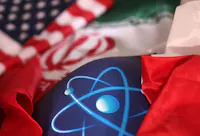
The Iranian government has announced that it will begin talks with the United States in the Pakistani capital of Islamabad on Friday, April 10. This was stated in a release from the Iranian National Security Council, which confirmed that the discussions will last for two weeks and may be extended with the agreement of both sides.
According to the statement, Iran will continue to maintain national unity during the talks, indicating that any mistake from the American side during these negotiations will be met with a strong response from Iran. These remarks reflect the ongoing tensions between the two countries, as concerns about regional stability persist.
Details of the Upcoming Talks
The anticipated discussions come after U.S. President Donald Trump announced a two-week ceasefire with Iran, noting that Iran has also agreed to ensure the security of navigation in the Strait of Hormuz. This step is seen as an attempt to reduce the heightened tensions that have escalated in the region over the past months.
Iranian Foreign Minister Abbas Araghchi expressed gratitude to Pakistani Prime Minister Sharif and General Munir for their efforts to end the conflict in the region, highlighting Pakistan's potential role as a mediator in these talks.
Background & Context
Historically, relations between Iran and the United States have been strained since the Islamic Revolution in 1979. Since then, the relationship has seen an escalation of conflicts, including economic sanctions and proxy wars in the region. However, these talks represent a rare opportunity to alleviate tensions.
In recent years, the region has witnessed an increase in conflicts, including the dispute in Yemen and tensions with Israel. These discussions could be a step towards achieving stability in the region, but they require commitment from all parties involved.
Impact & Consequences
If the talks succeed, they could lead to a reduction in sanctions imposed on Iran, which may positively impact the Iranian economy and enhance stability in the region. However, any failure in the negotiations could lead to a new escalation of tensions, threatening regional security.
These talks are also a test of the Trump administration's policy towards Iran, as the U.S. president seeks to achieve diplomatic successes ahead of the upcoming presidential elections. The success of these negotiations could bolster his political standing and demonstrate his ability to achieve peace in a troubled region.
Regional Significance
These talks are particularly significant for Arab countries, as any changes in relations between Iran and the United States could directly affect security and stability in the region. Gulf states, in particular, are closely monitoring these developments, as any escalation in tensions could impact their security.
In conclusion, these talks represent an opportunity to ease tensions and achieve stability in the region, but they require commitment from all parties to yield positive results.