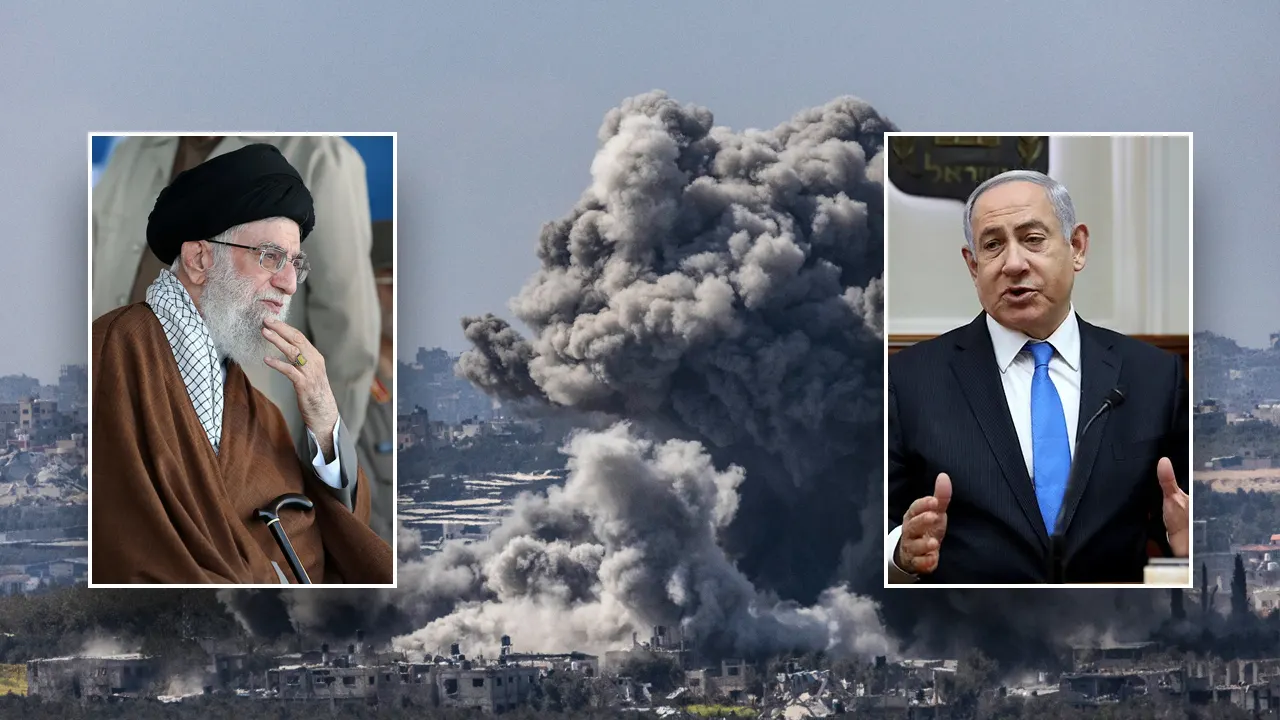
Iran believes it can achieve its strategic objectives in the ongoing war against the United States and Israel by imposing high costs on its adversaries and disrupting the global economy through choking maritime traffic in the Strait of Hormuz. This was highlighted in an article published by the New York Times, where authors Dina Esfandiary and Ziad Daoud pointed out that the escalating situation in the region could haunt future American presidents.
While Iran does not desire war, rising tensions have pushed it to prolong the conflict, presenting a challenge for President Donald Trump, who struggles to reopen the Strait of Hormuz, negatively impacting the global economy and Gulf states suffering from declining oil revenues.
Details of the Situation
Iran's objectives in this war include maintaining the ruling regime and ensuring it is not subjected to new attacks from the US or Israel. To achieve these goals, Iran seeks to impose costs on its adversaries and on the image of stability in Gulf countries, which negatively affects the global economy.
The authors note that Iran has so far succeeded in achieving some of these objectives, as it has realized how easy it is to disrupt the global economy. Iran has suffered for years from economic crises due to sanctions and mismanagement, making this moment existential for the regime.
Background & Context
Historically, relations between Iran and the United States have escalated significantly since the 1979 Islamic Revolution, leading to a series of conflicts and tensions in the region. The economic sanctions imposed on Iran aimed to undermine its military and economic capabilities, but at the same time exacerbated internal crises.
Iran employs various strategies in response to external pressures, including a gradual escalation of attacks on Gulf states' interests, reflecting a shift in how it deals with threats. Iran relies on low-cost means such as drones and naval mines to threaten navigation in the Strait of Hormuz.
Impact & Consequences
Estimates suggest that rising oil prices due to regional tensions may yield higher revenues for Iran, alleviating some of the war's economic burdens. However, this strategy may carry significant costs, as Iran faces intense bombardment affecting residential areas and infrastructure.
Moreover, Iran's adversaries may adapt to the new conditions, with Gulf states potentially seeking alternatives to the Strait of Hormuz through pipelines and alternative routes, which could limit Iran's impact on navigation in the region.
Regional Significance
These developments are of great importance to the Arab region, where Gulf states are suffering from the repercussions of the ongoing conflict. Closing the Strait of Hormuz could impact global trade flows, leading to increased prices and declining oil revenues.
In light of these circumstances, Iran will continue to face deep internal challenges, including economic, political, and social crises. The United States will remain engaged in the Middle East, despite discussions about reducing its presence in the region.