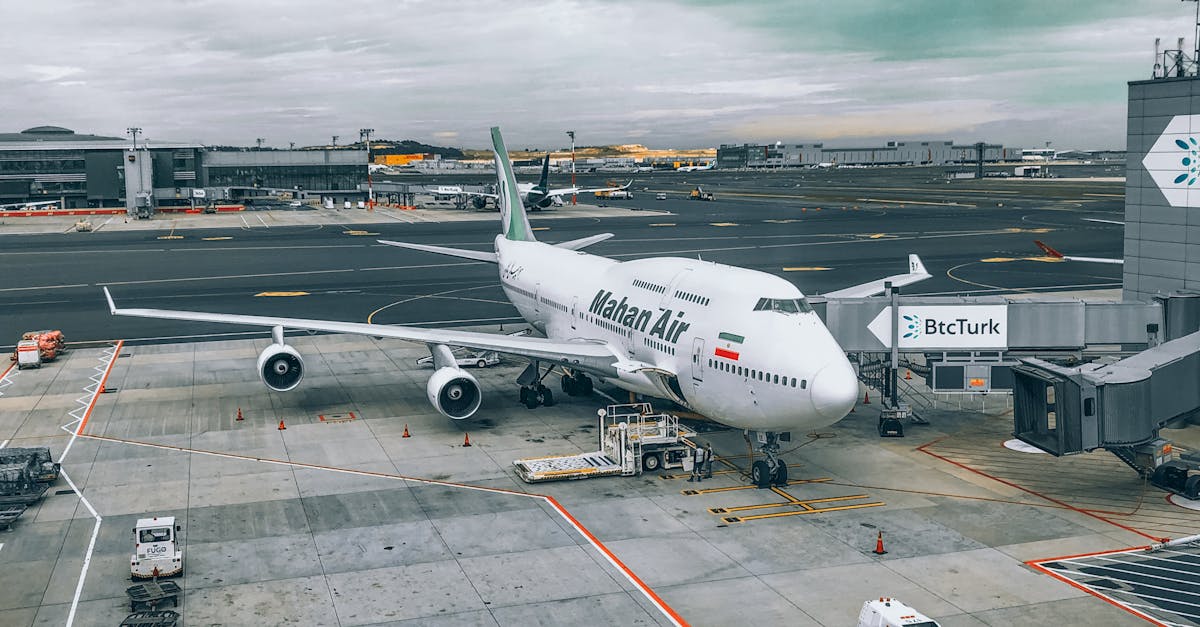
The blockade imposed on the Hormuz Strait has caused a global crisis affecting the aviation sector, as the availability of jet fuel in the market has significantly declined, resulting in record-high prices. An episode of the program "The Economic Investigator" aired on May 10, 2026, highlighted the repercussions of this blockade on flight operations and ticket prices.
The crisis has not only affected airlines, which have started canceling numerous flights, but also passengers who are now forced to pay higher prices for air tickets. The Middle East, particularly the Arabian Gulf, has been significantly impacted by the consequences of the U.S.-Israeli war on Iran and the closure of the Hormuz Strait, adversely affecting energy facilities in the region.
Details of the Event
The blockade has paralyzed shipping movements to and from the Gulf, affecting oil and gas production and exports. Figures indicate that Gulf countries were producing more than one-third of the world's jet fuel supplies before the war, but their exports have dropped by about 80% following the closure of the strait. Kuwait, the largest jet fuel exporter in the Gulf, has been particularly affected.
This decline in exports has impacted the global market, as Europe relied on the Middle East to meet 60% of its jet fuel needs. With the strait closed, European companies have sought alternatives in the United States and Asia, but most jet fuel produced in those regions relies on Gulf crude oil.
Background & Context
The U.S.-Israeli war on Iran has exacerbated the situation, as Gulf energy facilities have been subjected to Iranian attacks. This situation has created a dual crisis in the market, depriving Gulf refineries of the ability to export jet fuel while simultaneously denying refineries outside the region the crude oil necessary for production.
Before the war, the price of a barrel of jet fuel was $99.4, but it surged to $209 after the conflict, and is currently estimated at $181. Forecasts suggest that prices could reach $200 or more if the closure of the strait continues.
Impact & Consequences
The International Energy Agency has warned of an imminent disaster in Europe, where the available jet fuel stocks are sufficient for only six weeks. Fuel costs represent the second-largest expense for airlines, accounting for between 25% and 30% of operating costs.
Global airlines have already begun raising ticket prices, impacting passengers. For instance, American airline Delta Air has increased the price of a ticket for the flight from New York to Los Angeles from $128 to $329 within a month.
Regional Significance
Arab countries are directly affected by this crisis, as rising jet fuel prices will impact tourism and travel, potentially leading to a decline in tourism revenues. Furthermore, the continuation of the crisis may adversely affect Gulf economies that heavily rely on oil exports.
In conclusion, the ongoing crisis in the Hormuz Strait could lead to serious repercussions for the global aviation sector, necessitating urgent international action to resolve this crisis and mitigate its effects on the global economy.