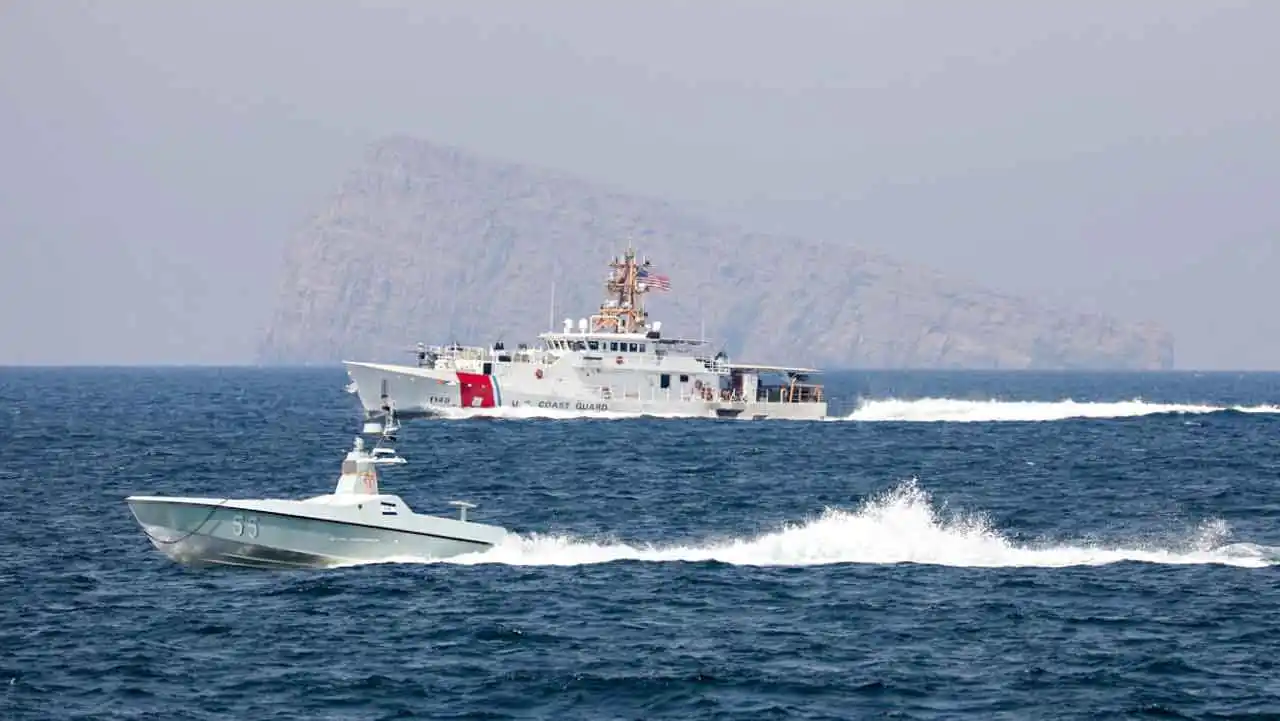
Iran has announced a ban on US warships from entering the Strait of Hormuz, a move that reflects escalating tensions between Tehran and Washington. This announcement follows President Donald Trump's declaration of a new operation called 'Freedom Project', which has sparked strong reactions from the Iranian side.
In this context, Tehran has confirmed that it will take all necessary measures to protect its sovereignty and interests in the region. This announcement comes at a time when relations between Iran and the United States are increasingly strained, especially after Washington's withdrawal from the Iranian nuclear deal in 2018.
Details of the Incident
Reports indicate that Iran has issued orders to its naval forces to prevent any US warships from entering the Strait of Hormuz, a vital waterway through which approximately 20% of global oil exports pass. This decision is part of Iran's strategy to enhance its military presence in the region, as the Strait of Hormuz is considered a crucial strategic point.
At the same time, Trump indicated that the 'Freedom Project' aims to enhance security in the region, which Iran views as a direct threat to its national security. This announcement coincided with an increase in US military activity in the Arabian Gulf, further heightening tensions between the two sides.
Background & Context
Historically, the Strait of Hormuz has witnessed numerous crises and tensions between Iran and Western countries, particularly the United States. Since the Islamic Revolution in 1979, relations between Tehran and Washington have been strained, with both sides exchanging accusations of hostility and interference in domestic affairs.
In recent years, these tensions have intensified with increased military activities from both sides. Trump's withdrawal from the nuclear deal has led to the imposition of severe economic sanctions on Iran, adversely affecting its economy and exacerbating conditions in the region.
Impact & Consequences
These developments are expected to increase tensions in the region and may provoke military responses from the United States. Additionally, preventing American ships from entering the Strait of Hormuz could impact maritime navigation and drive up global oil prices.
Moreover, these steps could lead to an escalation of military confrontation between Iran and the United States, threatening stability in the Gulf region. This situation serves as a test for Trump's foreign policy and its ability to handle escalating crises.
Regional Significance
Neighboring Arab countries, such as Saudi Arabia and the UAE, are among those most affected by tensions in the Strait of Hormuz. Any military escalation in the region could impact oil exports and increase economic risks.
Furthermore, these events may lead to increased divisions among Arab countries, as their positions towards Iran and the United States may vary. Under these circumstances, Arab nations must take proactive steps to protect their interests and ensure regional stability.