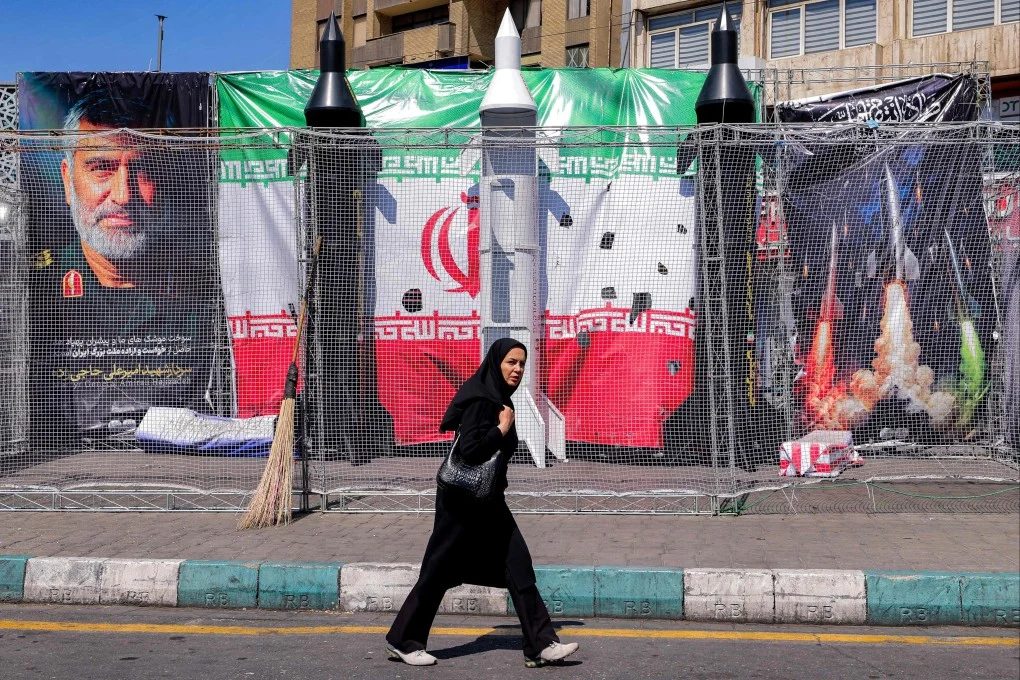
In an unprecedented escalation, airstrikes targeting several areas in Iran have resulted in the deaths of 15 individuals, heightening tensions in the region. Concurrently, Iran has fired at targets in Israel and Saudi Arabia, leading to a temporary closure of a major bridge. These events unfold as the deadline set by U.S. President Donald Trump regarding the reopening of the Strait of Hormuz approaches.
In an unconventional move, Iranian authorities have called on the youth to form human chains around power stations to protect them from potential attacks. This call reflects a growing sense of anxiety in Tehran as the deadline set by Trump looms, who has threatened to bomb all Iranian power stations and bridges if Iran does not comply with his demands.
Details of the Incident
Tensions between Iran and the United States are escalating amid rising mutual threats. Reports indicate that the airstrikes targeting Iran were aimed at military and security sites, resulting in numerous casualties. At the same time, Iran retaliated by firing at targets in both Israel and Saudi Arabia, reflecting the intensifying regional tensions.
These events occur at a sensitive time, as Trump seeks to pressure Iran through military threats, increasing the risk of military escalation in the region. Trump has indicated that the deadline given to Iran is a last chance to comply with his demands, which heightens concerns in Tehran.
Background & Context
Historically, relations between Iran and the United States have been marked by ongoing tensions since the Islamic Revolution in 1979. These tensions have particularly intensified in recent years, as the United States has imposed severe economic sanctions on Iran, significantly impacting its economy. In this context, Trump aims to use military pressure as a means to achieve his political objectives.
The Strait of Hormuz is considered one of the most important maritime passages in the world, through which a large percentage of global oil exports pass. Therefore, any military escalation in this area could significantly affect global oil markets and exacerbate regional tensions.
Impact & Consequences
These events could lead to a serious military escalation in the region, potentially dragging other countries into the conflict. Additionally, American threats may provoke extreme reactions from Iran, increasing the risk of an all-out war in the region. Should this occur, the impact would be catastrophic on the global economy, especially given the heavy reliance on Iranian oil.
Moreover, any escalation in the region could affect relations between Arab states and Iran, as Arab countries may be compelled to take a firmer stance against Iranian threats. This could lead to increased division in the region, complicating efforts for peace and stability.
Regional Significance
The current events in Iran have a direct impact on Arab countries, especially those with strained relations with Iran, such as Saudi Arabia and the UAE. Any military escalation could increase tensions in the Arabian Gulf, affecting security and stability in the region.
Furthermore, any escalation in the Strait of Hormuz may influence global oil prices, negatively impacting the economies of Arab countries that heavily rely on oil exports. Thus, the current situation necessitates that Arab nations adopt cautious stances and closely monitor developments.