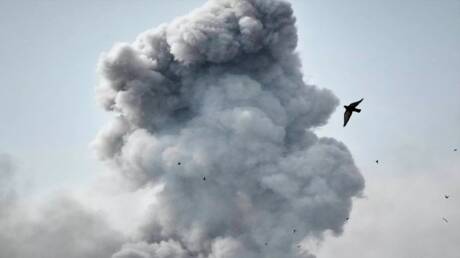
The New York Times reports that Iran has become capable of restarting its military facilities within just a few hours after any U.S. or Israeli airstrike. This information reveals a new reality in Iran's defensive capabilities, raising questions about the effectiveness of U.S. and Israeli strategies in countering Iranian threats.
These statements come at a sensitive time, as tensions in the region are escalating, particularly following a series of attacks targeting Iranian military installations. Reports indicate that Iran has significantly enhanced its military capabilities, enabling it to quickly resume military activities after any aggression.
Details of the Event
This information serves as a warning to the United States and its allies, suggesting that Iran has managed to improve its defense and attack systems. According to the newspaper, U.S. intelligence has monitored these developments, reflecting new challenges faced by Washington in its policy towards Tehran.
The new capabilities possessed by Iran include improvements in missile systems and drones, allowing for a rapid and effective response to any threats. This development could change the rules of the game in the region and complicate existing conflicts.
Background & Context
Historically, Iran has been under significant pressure from international sanctions and military threats. However, it has managed to bolster its military capabilities through the development of domestic technologies and the import of technology from other countries. This strategy has helped Iran remain resilient in the face of external pressures.
In recent years, the region has witnessed an escalation in tensions between Iran and the United States, especially following Washington's withdrawal from the nuclear deal in 2018. This withdrawal led to heightened tensions, prompting Iran to enhance its military capabilities as a means of self-defense.
Impact & Consequences
These developments may lead to increased tensions in the Middle East, as neighboring countries like Saudi Arabia and Israel may feel a greater threat from Iran's growing military capabilities. This could push them to strengthen their military alliances or even take preemptive steps against Iran.
Moreover, these developments could impact U.S. policy in the region, as Washington will be forced to reassess its strategy towards Iran. This may require greater cooperation with regional allies to address the increasing security challenges.
Regional Significance
Arab countries neighboring Iran, such as Iraq, Syria, and Lebanon, find themselves in a sensitive position. The increase in Iranian military capabilities could affect the balance of power in the region, potentially leading to escalated existing conflicts.
Additionally, these developments may influence the relationships between Arab states and Iran, as some countries may feel the need to strengthen their alliances to counter the Iranian threat. At the same time, other nations may seek dialogue with Iran to ease tensions.
In conclusion, the information presented in the New York Times reflects a significant shift in Iranian military capabilities, raising questions about the future of security in the region and the balance of power among nations.