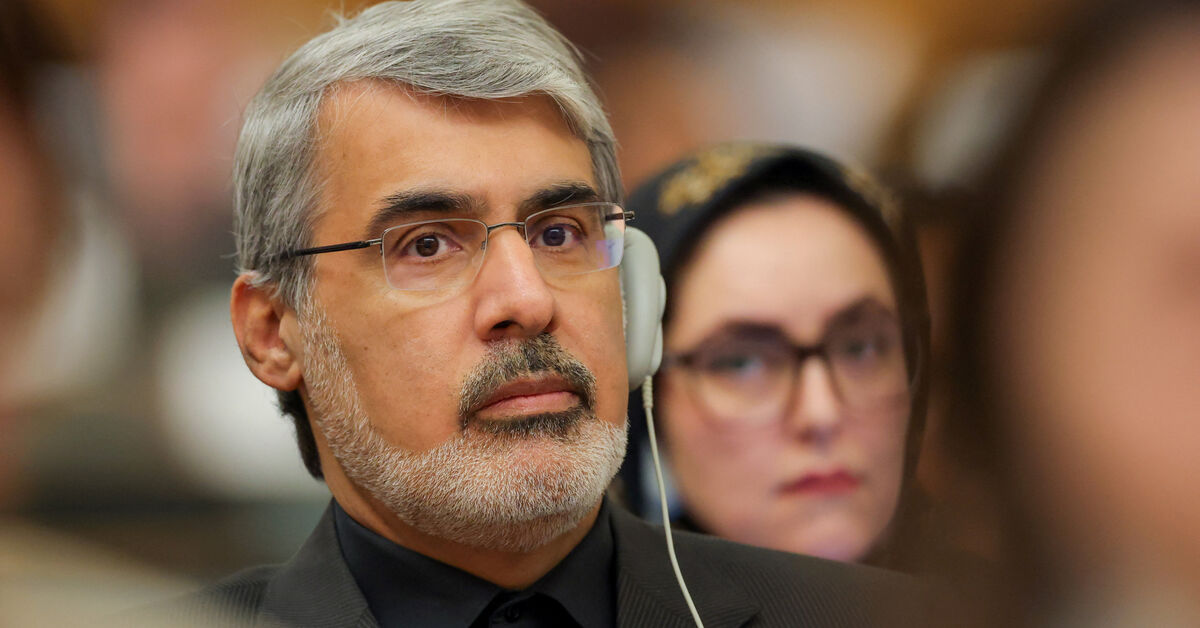
Amid ongoing tensions between Iran and the United States, the Iranian ambassador to the United Nations in Geneva stated that Tehran will approach the upcoming peace talks with greater caution. This statement comes at a sensitive time after a two-week ceasefire agreement brokered by Pakistan, which suspends a six-week war that resulted in thousands of casualties.
The war between the two sides has significantly impacted the situation in the Middle East, leading to unprecedented disruptions in global energy supplies. The Iranian ambassador noted that the current conflict will affect the future legal framework of the Strait of Hormuz, one of the world's most crucial maritime corridors.
Details of the Ceasefire Agreement
The ceasefire agreement reached through Pakistan's mediation represents an important step towards de-escalating tensions, but it comes amid a lack of trust between the parties. Iran, which is suffering from severe economic sanctions, seeks to improve its international standing but is wary of any moves that may appear as concessions.
On its part, the United States aims to stabilize the region, but Iranian statements indicate that Tehran will not rush into decisions that could affect its sovereignty. This caution also reflects past experiences where negotiations collapsed due to distrust.
Background & Context
The history of relations between Iran and the United States is fraught with tensions, having witnessed numerous crises over the past decades. Since the Iranian Revolution in 1979, relations between the two countries have soured, leading to the imposition of economic sanctions on Iran. These sanctions have significantly impacted the Iranian economy, prompting Tehran to seek diplomatic solutions.
In recent years, the region has seen an escalation of conflicts, complicating the situation further. The conflict in Syria, the Iranian nuclear program, and tensions in the Arabian Gulf are all factors influencing the relationship between Iran and the United States.
Impact & Consequences
Reaching a ceasefire agreement may open the door for further discussions, but mutual distrust could hinder any progress. If Iran continues to proceed with caution, it may delay any steps towards improving relations. Conversely, the United States may seek to exploit this situation for political gains.
The economic ramifications of this conflict could be significant, as any new escalation may impact global oil prices. The Strait of Hormuz, through which approximately 20% of global oil supplies pass, could become a new flashpoint if lasting solutions are not reached.
Regional Significance
This cautious approach in peace talks is crucial for determining the future of Iran-US relations and its impact on regional stability. The outcome of these discussions could influence not only bilateral ties but also the broader geopolitical landscape in the Middle East.
In conclusion, the cautious stance taken by Iran in the peace negotiations reflects the complexities of the situation and the historical context of distrust. The international community will be closely monitoring these developments, as they hold significant implications for regional and global security.