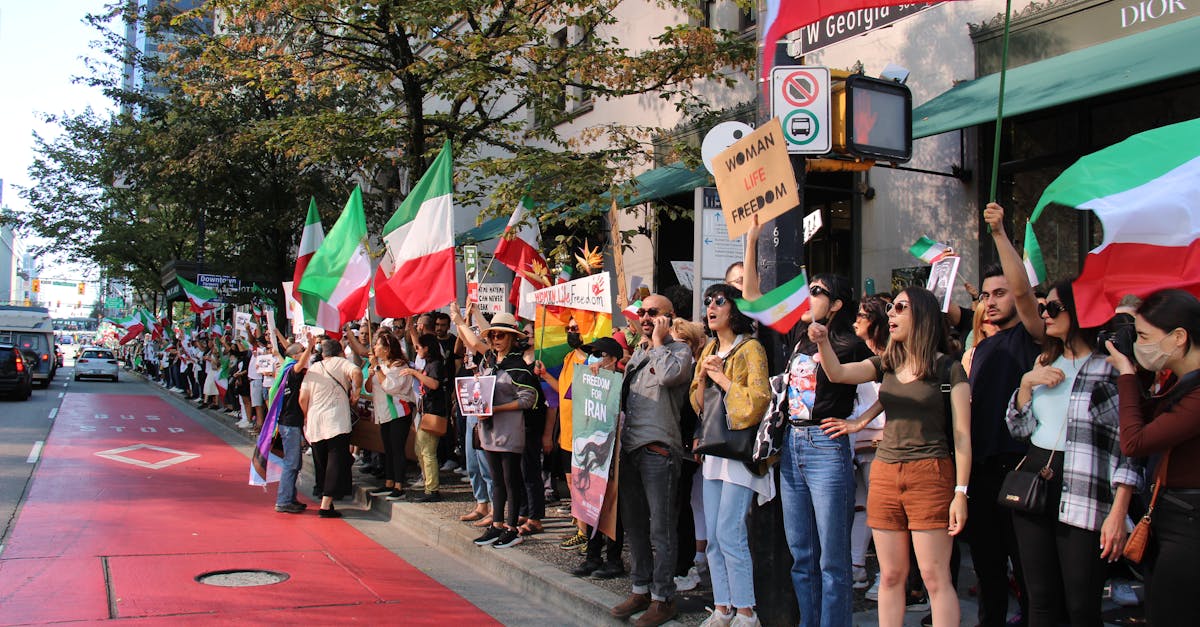
Iran has declared a ceasefire in the recent conflict with the United States and Israel, which Iranian officials view as a victory for the regime established after the Islamic Revolution in 1979. However, this announcement has not been sufficient to quell the fears of opponents and activists who are deeply disappointed by the absence of genuine change in the Iranian system.
Former U.S. President Donald Trump had promised to change the regime in Iran, but recent developments suggest that the Islamic Republic has emerged from the conflict stronger than before. This situation raises profound concerns among opponents who fear that this stability could lead to greater repression of freedoms and human rights within the country.
Details of the Ceasefire Announcement
While Iranian officials celebrated the ceasefire, human rights organizations expressed concern that this victory might encourage authorities to take repressive actions against dissenters. Many activists pointed out that the government might exploit this situation to tighten its grip on civil society, intensifying the crackdown on any opposing voices.
These events unfold amid escalating regional tensions, as Iran faces increasing pressure from the United States and its allies in the region. Nevertheless, this Iranian resilience may reflect the strength of the regime and its ability to endure despite external pressures.
Background & Context
The Islamic Republic of Iran was established in 1979 following a popular revolution that overthrew the Shah. Since then, Iran has faced numerous internal and external challenges, including economic sanctions and regional wars. These challenges have shaped Iran's foreign policy, which is often characterized by hostility towards the United States and Israel.
In recent years, Iran has witnessed waves of popular protests against the government, with citizens demanding improvements in economic and social conditions. However, the government has responded forcefully to these protests, leading to the suppression of many dissenting voices.
Impact & Consequences
The recent events are expected to exacerbate the internal situation in Iran, as authorities may be encouraged to implement new repressive measures against opponents. This scenario could lead to an increase in popular protests, creating a state of instability within the country.
Furthermore, the Iranian regime's continued resilience in the face of external pressures may affect regional relations, as other countries might seek to exploit this situation to enhance their influence in the area. This could lead to heightened tensions between Iran and its neighbors, threatening regional stability.
Regional Significance
Iran is a key player in regional politics, influencing many Arab countries through its support for armed groups and its influence in Iraq, Syria, and Lebanon. The stability of the Iranian regime may mean the continuation of this influence, which could alarm Arab nations wary of Iranian expansion in the region.
At the same time, any internal escalation in Iran could have repercussions for regional security, as Arab countries may seek to bolster their alliances to counter any potential threats. The situation in Iran remains a focal point in regional politics, and Arab nations must closely monitor developments.