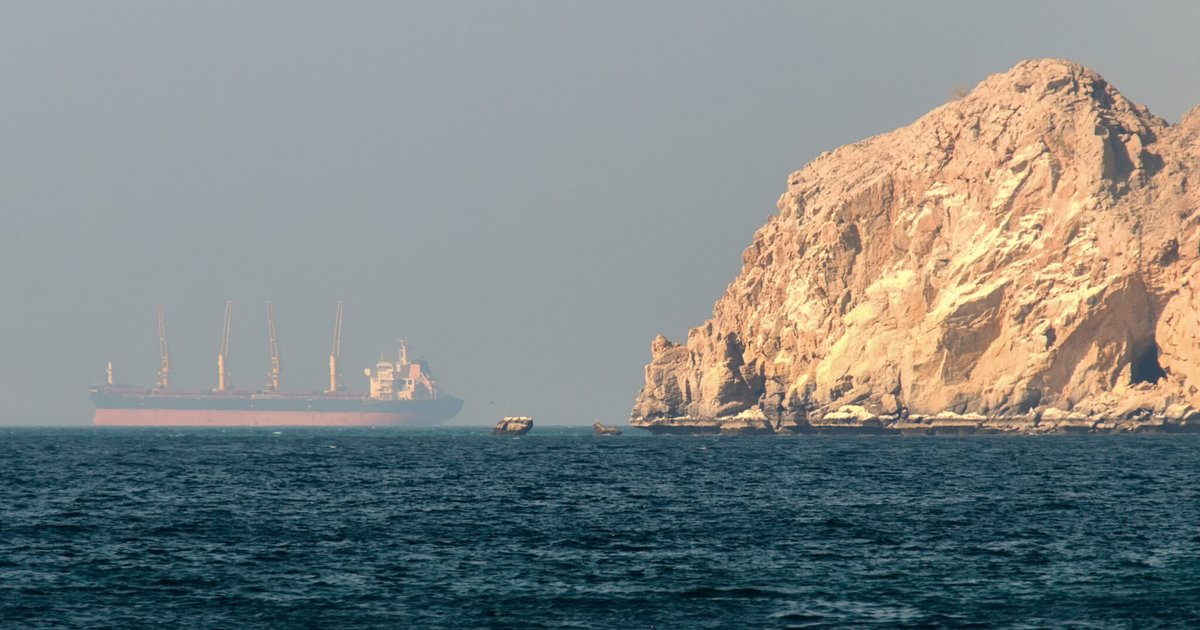
Iran's National Security Committee Chairman, Ibrahim Azizi, confirmed that the maritime system in the region has undergone significant changes, stating that the Strait of Hormuz will only be open to those who adhere to the new laws of the Islamic Republic of Iran. These statements come at a sensitive time, as military tensions in the region are escalating, significantly impacting maritime navigation.
In a tweet on X platform, Azizi said, "Trump has finally achieved his dream of changing the system, but in the maritime system of the region! The Strait of Hormuz will certainly open, but not for you! Only for those who comply with the new laws of the Islamic Republic of Iran." He clarified that the 47-year hospitality period has ended, reflecting a significant shift in Iran's policy towards navigation in this vital corridor.
Details of the Event
Azizi's remarks come at a time when the United Nations Conference on Trade and Development indicated that military escalation has disrupted shipping flows through the Strait of Hormuz to the point of "near halt," significantly affecting energy markets, maritime transport, and global supply chains. On March 22, Tehran informed the International Maritime Organization and the United Nations that "non-hostile" ships could cross the strait if they adhered to Iranian safety and security procedures and coordinated with Iranian authorities.
In a related context, Bloomberg reported that Tehran has already begun imposing transit fees on some commercial vessels for "safe passage," with these fees reaching up to $2 million per trip in some cases. The report added that ships wishing to pass under Iranian protection are now required to submit lists of crew members, cargo details, trip information, and shipping documents to obtain the green light from the Iranian Revolutionary Guard Corps.
Background & Context
Historically, the Strait of Hormuz is considered one of the most important maritime passages in the world, through which approximately 20% of total global oil exports pass. The strait has witnessed recurring tensions between Iran and Western countries, particularly the United States, which accuses Iran of threatening freedom of navigation. In recent years, these tensions have significantly increased, leading to military escalation in the region.
On March 26, Bloomberg reported that the Iranian parliament is working on a bill aimed at imposing official fees on ships requesting safe passage through the strait, indicating an effort to legalize these fees and transition them from ad-hoc arrangements to a formal legal framework. This development reflects Iran's strategy to enhance its control over this vital corridor.
Impact & Consequences
These developments underscore Iran's intention to reorganize the maritime system in the region in line with its strategic interests. These measures are expected to escalate tensions with Western countries, especially as economic sanctions against Iran continue. Additionally, these steps may impact global oil prices, as many countries rely on oil supplies from the Arabian Gulf.
On the other hand, reports indicate that maritime traffic through the strait has decreased by 90% since the beginning of the war, with only about 150 vessels crossing since March 1, a figure that is roughly equivalent to a normal day’s traffic before the war. This sharp decline in maritime activity could have negative repercussions on the global economy.
Regional Significance
The Arab countries neighboring the Strait of Hormuz, such as the United Arab Emirates and Saudi Arabia, are among the most affected by these developments. These countries heavily rely on oil exports through the strait, and any changes in the navigation system could impact their economic revenues. The escalation of tensions may also lead to increased security concerns in the region, necessitating greater coordination among Arab countries to address these challenges.
In conclusion, the statements from Iranian officials reflect radical changes in Iran's policy towards navigation in the Strait of Hormuz, raising questions about the future of this vital corridor and its impact on the global economy and regional security.