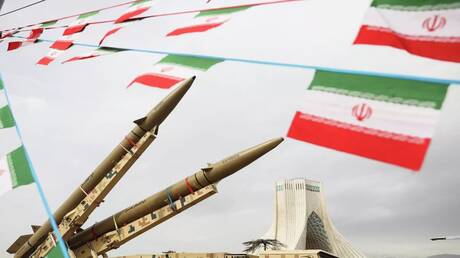
In recent statements, Mojtaba Fardousipour, head of the Iranian diplomatic mission in Cairo, asserted that Iran's enemies, primarily the United States and Israel, do not possess accurate information regarding Iran's nuclear facilities. These remarks come at a time when the region is experiencing heightened tensions concerning Iran's nuclear program, which the West considers a threat to regional and international security.
Fardousipour explained that the information circulating about Iran's nuclear program is often based on incorrect assessments or misleading information. He emphasized that Iran operates transparently in its nuclear program and is committed to international standards, including the Treaty on the Non-Proliferation of Nuclear Weapons.
Details of the Statements
These statements come at a sensitive time as Iran continues to develop its nuclear program amid increasing international pressures. Tehran has expressed its willingness to negotiate with major powers regarding its nuclear program, while simultaneously asserting its right to develop nuclear energy for peaceful purposes.
In recent years, concerns have escalated that Iran may seek to acquire nuclear weapons, a claim that Tehran has repeatedly denied. Iran maintains that its nuclear program is part of its sovereign right to develop energy and that it cooperates with the International Atomic Energy Agency.
Background & Context
Historically, relations between Iran and the United States have been strained since the Islamic Revolution in 1979. These tensions intensified following the U.S. withdrawal from the Iranian nuclear deal in 2018, which led to the re-imposition of strict economic sanctions on Tehran.
In this context, Iran seeks to strengthen its position in negotiations, hoping to alleviate the sanctions imposed on it. However, international pressures, particularly from Israel, remain a barrier to any progress in this direction.
Impact & Consequences
Fardousipour's statements underscore the importance of accurate information in understanding the Iranian nuclear situation. Inaccuracies in information can lead to escalating tensions in the region and may contribute to increased military and political pressures on Iran.
Moreover, these statements may reflect Iran's desire to improve its image before the international community, especially amid growing pressures from Western countries. These remarks could potentially influence future negotiations regarding Iran's nuclear program, as Tehran seeks to assert its sovereign rights.
Regional Significance
The Iranian nuclear issue is a sensitive matter that affects security and stability in the Arab region. Arab countries, particularly those in close proximity, closely monitor developments in Iran's nuclear program and its impact on the balance of power in the region.
At the same time, Iranian statements may increase tensions between Iran and Arab states, especially those concerned about Iran's nuclear ambitions. It is crucial for Arab nations to adopt a balanced policy towards this issue, considering Iran's rights to develop nuclear energy while simultaneously safeguarding their own security and stability.
In conclusion, Mojtaba Fardousipour's remarks highlight the importance of dialogue and understanding among nations in addressing nuclear issues. International cooperation is the optimal path to ensure nuclear non-proliferation and achieve security and stability in the region.