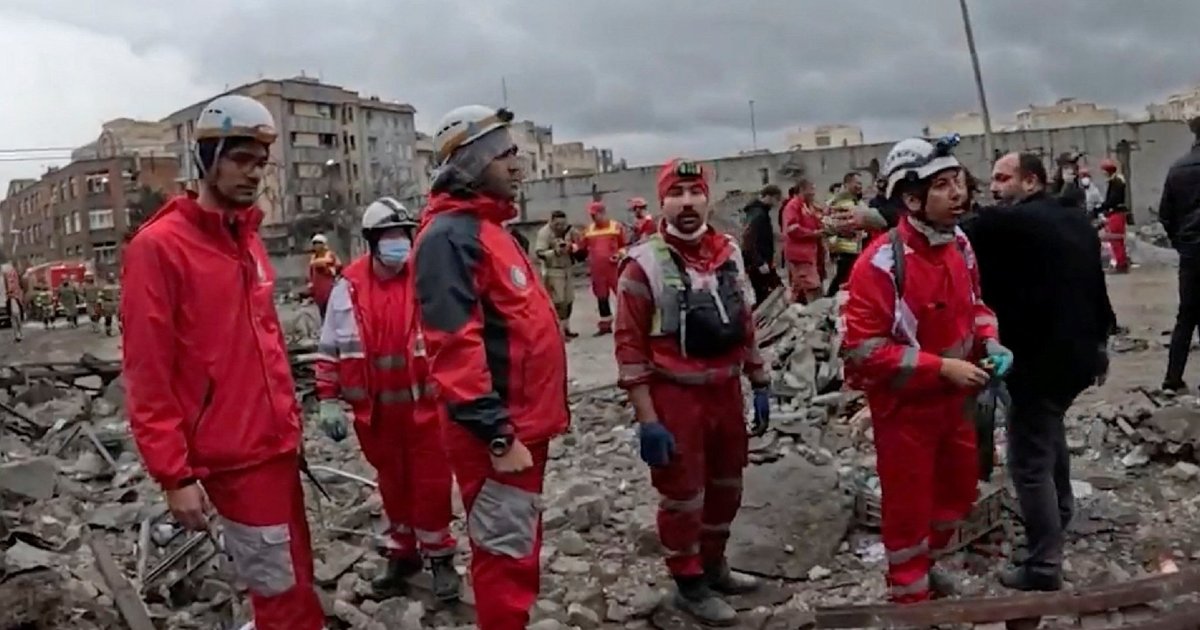
In a striking statement, Iranian President Masoud Beizhekin confirmed that his country experienced two attacks during the ongoing negotiations, which he claims reflects the United States' lack of faith in diplomacy. These remarks come at a sensitive time as tensions rise in the Gulf region, particularly in the Strait of Hormuz, a vital point for global oil shipping.
According to media reports, Beizhekin indicated that these attacks demonstrate an aggressive behavior from the United States and are seen as part of a broader strategy aimed at undermining the ongoing negotiations. He also criticized European positions, which he described as biased, during a call with the President of the European Council, reflecting Iran's growing discontent with the international community.
Details of the Incident
The Iranian president clarified that the attacks on his country during the negotiations are part of what he termed American-Zionist actions against Iran. These statements come at a critical time as Iran seeks to strengthen its position in negotiations concerning its nuclear program amidst increasing international pressure.
Beizhekin noted that tensions in the Strait of Hormuz are not new but have significantly escalated recently, raising concerns about regional stability. The Strait of Hormuz is a vital corridor for oil transportation, through which approximately 20% of the world's total oil passes.
Background & Context
Historically, Iranian-American relations have been marked by ongoing tensions since the Islamic Revolution in 1979. These tensions have led to economic sanctions imposed on Iran, significantly impacting its economy. Since then, Iran has sought to enhance its military and defensive capabilities, increasing concerns in the region.
In recent years, negotiations regarding Iran's nuclear program have gone through numerous phases, with attempts to revive the nuclear agreement reached in 2015. However, military escalation and reciprocal attacks between Iran and the United States have hindered these efforts.
Impact & Consequences
Beizhekin's statements carry significant implications for the future of negotiations, as they may lead to heightened tensions in the region. If the attacks continue, Iran may resort to retaliatory actions, potentially resulting in military escalation in the Gulf.
Moreover, biased European positions could negatively affect relations between Iran and European countries, complicating the situation further. Should an agreement not be reached, Iran may accelerate the development of its nuclear program, raising international concerns.
Regional Significance
The Iranian-American tensions have a direct impact on security and stability in the Arab region. Arab countries, especially those bordering the Gulf, are closely monitoring developments, as any escalation could affect oil prices and market stability.
Additionally, relations between Iran and Arab states could be significantly impacted, particularly in light of new alliances in the region. Therefore, any escalation in tensions could lead to undesirable consequences for regional security.
In conclusion, the situation in the Gulf remains tense and requires genuine diplomatic efforts to avoid further escalation. Recent Iranian statements highlight the urgent need for dialogue and understanding among all concerned parties.