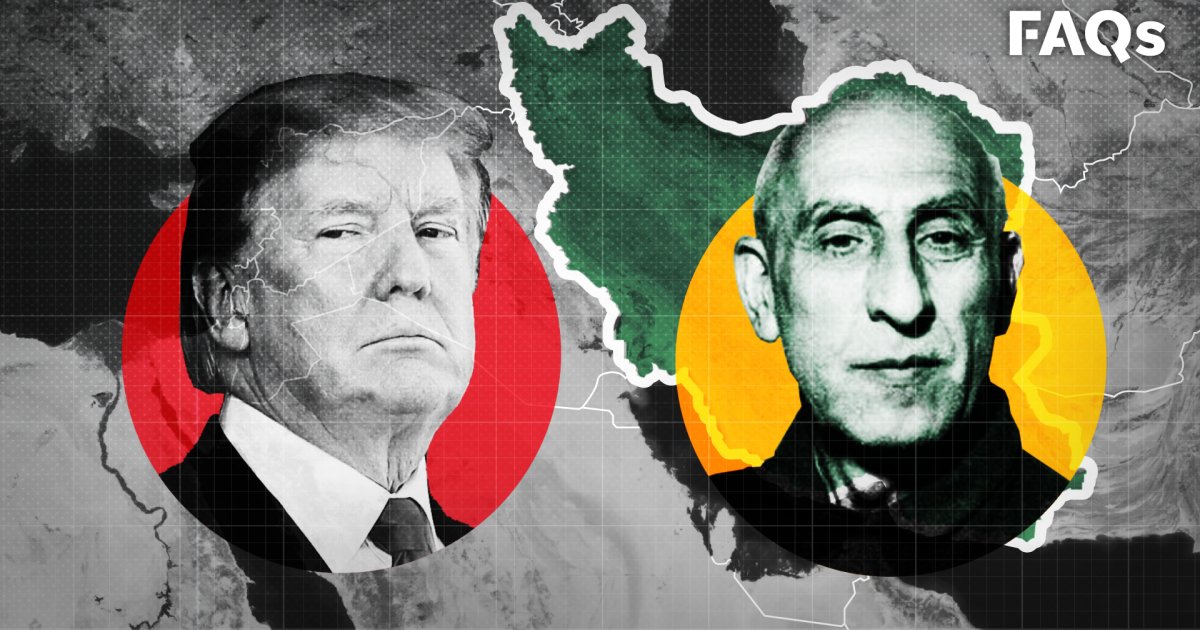
Iran has announced the closure of all diplomatic communication channels and indirect contacts with the United States, reflecting escalating tensions between the two countries. This move comes as pressures on Tehran from the international community increase, particularly following recent events in the region.
This decision is seen as a reaction to U.S. policies that Iran perceives as a threat to its national security. Official Iranian sources reported that the decision followed a series of hostile statements from American officials, prompting Tehran to take stringent measures to protect its interests.
Details of the Event
Iran clarified that all channels previously used for communication with Washington, including indirect contacts, have been permanently closed. The spokesperson for the Iranian Foreign Ministry confirmed that this decision reflects the futility of any future talks with the American side under current circumstances.
He also indicated that Iran would continue its policy of strengthening its defensive capabilities and would not back down from its firm stance on regional and international issues. This decision comes at a critical time, as tensions in the Middle East are on the rise.
Background & Context
Historically, Iranian-American relations have seen increasing tensions since the Islamic Revolution in 1979. Since then, the relationship between the two countries has taken a hostile turn, with the United States imposing strict economic sanctions on Iran, significantly impacting its economy.
In recent years, some European countries have attempted to mediate between Tehran and Washington, but these efforts have yielded no tangible results. Recent events, such as attacks on oil facilities in the Gulf, have further complicated the situation, leading Iran to adopt more decisive steps.
Impact & Consequences
This move is expected to exacerbate conditions in the region, intensifying tensions between Iran and the United States. Additionally, this decision may affect peace efforts in the Middle East, especially amid ongoing crises in Iraq, Syria, and Yemen.
Moreover, the closure of communication channels could worsen humanitarian crises in the region, making negotiation efforts to resolve conflicts more challenging. This development is seen as a harbinger of danger to regional stability.
Regional Significance
The neighboring Arab countries of Iran find themselves in a sensitive position, as these tensions may impact security and stability in the region. Gulf countries, in particular, are closely monitoring developments in the relationship between Tehran and Washington, as they are concerned about any escalation that could affect their security.
This step may also impact relations between Iran and Arab countries, potentially increasing existing divisions. It is crucial for Arab nations to remain vigilant and seek ways to communicate with all concerned parties to avoid any potential escalation.
In conclusion, Iran's recent move reflects its determination to maintain its firm stance towards the United States at a time when international pressures are mounting. Tensions between the two countries are expected to persist, which could significantly affect stability in the region.