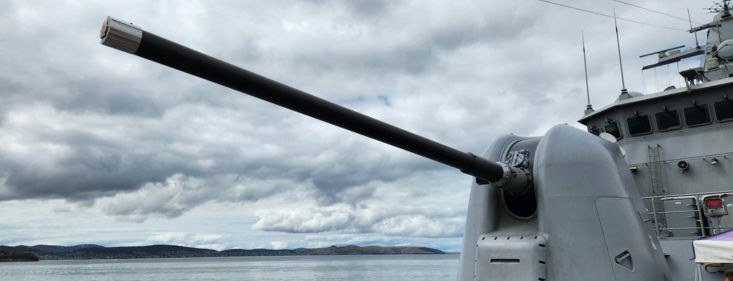
Iran has announced the closure of the Strait of Hormuz, one of the world's most vital waterways, in response to the massacres committed in Lebanon. This move reflects an escalation in regional tensions and underscores the political and security implications of the current events.
The Strait of Hormuz is a critical point for the transportation of oil and natural gas, with approximately 20% of global oil supplies passing through it. Its closure could lead to significant impacts on global markets, raising concerns amid the already tense situation in the region.
Details of the Incident
Reports indicate that Iran made the decision to close the strait as part of its reaction to the bloody events in Lebanon, where civilians have been brutally targeted. This decision reflects Tehran's dissatisfaction with regional and international policies that it perceives as unjust towards the Lebanese people.
Iran has also called on the international community to take a firm stance against these massacres, noting that silence regarding these violations amounts to support for them. This comes at a time when the Iranian government is facing increasing pressure from the international community due to its nuclear program and interventions in regional affairs.
Background & Context
Historically, the Strait of Hormuz has been the scene of numerous political and military crises. In recent years, the region has witnessed a rise in tensions between Iran and the United States, along with ongoing conflicts in Iraq, Syria, and Lebanon. These events contribute to creating an unstable environment that affects regional security.
The massacres that occurred in Lebanon are part of a series of events reflecting the ongoing conflicts in the region. The targeting of civilians raises alarms and highlights the instability faced by many Arab countries.
Impact & Consequences
The closure of the Strait of Hormuz could lead to a significant rise in oil prices, impacting the global economy. Oil-importing countries will face major challenges in securing their supplies, potentially exacerbating economic crises in some nations.
This decision may also heighten tensions between Iran and Western countries, as these nations might take countermeasures to protect their interests. International reactions are expected to escalate, which could lead to further complications in diplomatic relations.
Regional Significance
The closure of the Strait of Hormuz directly affects Arab countries, particularly those that rely on oil as a primary source of revenue. Gulf states may find themselves in a difficult position if the situation continues in this manner.
Moreover, the situation in Lebanon could worsen, as any escalation in regional tensions may exacerbate humanitarian and economic crises in the country. It is crucial for Arab and international efforts to unite in resolving these crises peacefully.
In conclusion, the closure of the Strait of Hormuz reflects an escalation in regional tensions and underscores the urgent need for peaceful conflict resolution. The current situation requires international cooperation to ensure regional stability and protect civilians from the ravages of war.