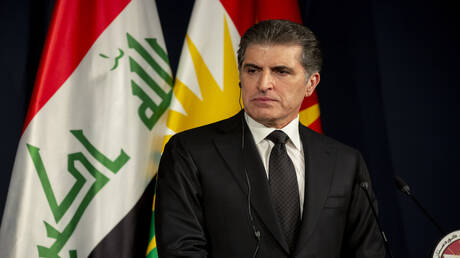
Iran has condemned the drone attack targeting the home of the President of the Kurdistan Region of Iraq, Nechirvan Barzani, in Duhok. This attack, which occurred late last night, has provoked strong reactions from Iranian authorities, who believe that such acts contribute to destabilizing the region.
In an official statement, the Iranian Foreign Ministry asserted that this aggression represents a blatant violation of national sovereignty and called on the international community to take a firm stance against these hostile actions. It emphasized the necessity of respecting the sovereignty of nations and refraining from interfering in their internal affairs.
Details of the Incident
The drone attack on Barzani's home in Duhok resulted in significant material damage, but no reports of injuries have emerged. This attack is considered part of a series of events occurring in the region, where tensions between various parties are on the rise.
It is noteworthy that the Kurdistan Region of Iraq enjoys autonomy but faces multiple challenges, including tensions with the central government in Baghdad, as well as external pressures from neighboring countries. The recent attack reflects the escalation of these tensions and indicates the presence of forces seeking to undermine stability in the region.
Background & Context
Historically, the Kurdistan Region of Iraq has witnessed numerous conflicts and disputes, both with the Iraqi government and regional powers. Since 2003, following the American invasion of Iraq, the Kurds have gained more autonomy, but this independence has not been without challenges.
In recent years, military activities in the region have increased, with some regional countries intervening in Iraq's internal affairs, complicating the situation further. The drone attack on Barzani's home comes at a sensitive time, as various powers vie for influence in the region.
Impact & Consequences
The drone attack on Barzani's home may lead to an escalation of tensions in the region, with expectations that the Kurdish government will respond to this aggression. This attack could also affect relations between the Kurdistan Region and Baghdad, as the Iraqi government might exploit the situation to strengthen its authority.
Moreover, this attack could increase divisions among the various Kurdish factions, weakening their position in the face of external challenges. Additionally, Iranian reactions may complicate relations between Iraq and Iran, especially given the current tensions in the region.
Regional Significance
This attack reflects the increasing tensions in the Middle East, where regional and international interests intersect in complex ways. Amid the multiple crises facing Arab countries, any escalation in Iraq could impact stability in neighboring nations.
Furthermore, events in the Kurdistan Region of Iraq may inspire similar movements in other countries, raising the likelihood of new conflicts. Therefore, the situation in Iraq calls for greater international attention to ensure that conditions do not worsen.
In conclusion, the situation in the Kurdistan Region of Iraq remains sensitive and requires intensive diplomatic efforts to avoid further escalation. The drone attack on Barzani's home serves as another reminder that stability in the region is still elusive.