In a controversial move, Iran's ambassador to the United Nations, Amir Saeed Iravani, asserted that the recent statements made by US President Donald Trump against Iran represent incitement to terrorism. This assertion was made in a letter sent by Iravani to UN Secretary-General Antonio Guterres, where he indicated that such remarks could escalate tensions in the region.
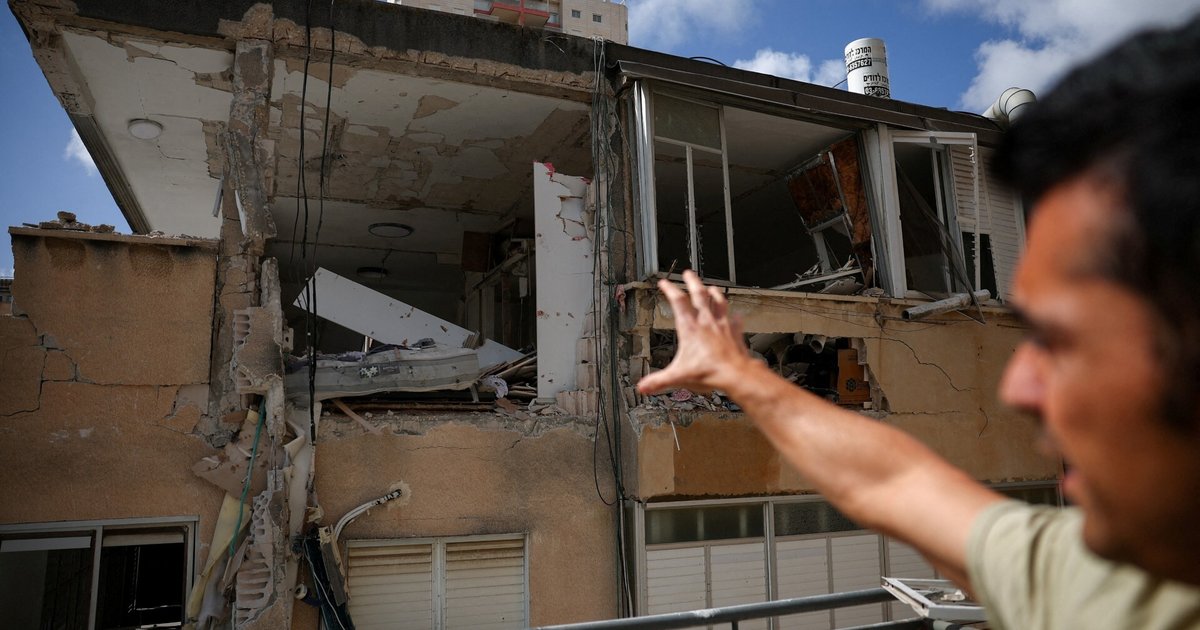
Irani also characterized the attacks targeting civilians and infrastructure in both the United States and Israel as "war crimes and state terrorism." He emphasized that these actions contradict international laws and undermine efforts for peace and stability in the region.
Details of the Incident
In his letter, Iravani warned that silence or inaction against these statements and actions could undermine international law and the UN Charter. He noted that such violations might encourage further breaches, potentially leading to severe consequences that extend beyond the region's borders.
These statements come at a sensitive time, as tensions between Iran and the United States are escalating, particularly following Washington's withdrawal from the Iranian nuclear deal in 2018. This increase in tensions has heightened concerns regarding the stability and security of the region.
Background & Context
Historically, relations between Iran and the United States have been strained since the Islamic Revolution in 1979. These relations have witnessed several phases of escalation and de-escalation; however, Trump's current statements align with the maximum pressure policy his administration has adopted against Iran.
The remarks labeling Iran as a terrorist state could have negative implications for diplomatic efforts aimed at resolving conflicts in the region, reflecting a growing polarization among major powers.
Impact & Consequences
Irani's statements serve as a call for the international community to intervene and prevent the escalation of tensions. The continuation of such policies could exacerbate conditions in the Middle East, threatening both regional and international security.
Moreover, a lack of a firm stance from the international community may encourage other countries to take similar actions, further increasing chaos and instability in the region.
Regional Significance
These statements are particularly significant for Arab countries, as any escalation in tensions between Iran and the United States could directly impact security and stability in the region. Arab nations are facing multiple challenges, including internal conflicts and external threats, necessitating greater stability.
In conclusion, the question remains as to how the international community will respond to these statements and whether they will lead to tangible steps towards calming the situation in the region. The reciprocal remarks between leaders could escalate crises rather than resolve them, requiring intensive diplomatic efforts.