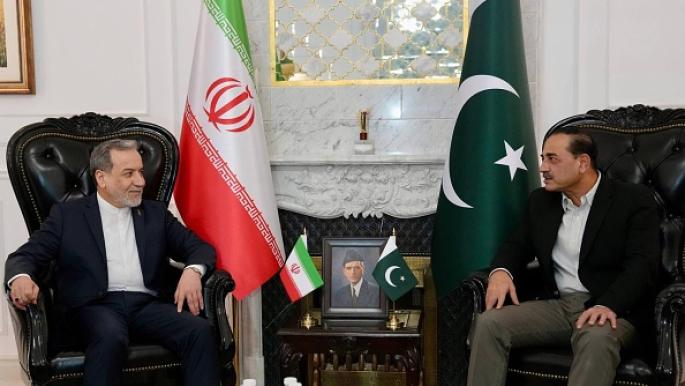
Iranian Foreign Minister Abbas Araghchi returned to Islamabad on Sunday evening for talks with Pakistani Army Chief Asim Munir. These discussions revolve around conveying Iran's conditions for ending the war, reflecting Iran's inclination towards achieving stability in the region.
This visit comes at a sensitive time as Iran seeks to strengthen its relations with its neighbors, especially amid ongoing tensions in the area. Tehran has expressed its desire to end the current conflict, which could contribute to improving security conditions in the region.
Details of the Talks
During the visit, Araghchi is expected to discuss shared security issues with General Asim Munir, in addition to the conditions set by Iran for ending the conflict. These conditions include a commitment from the involved parties to cease hostilities and initiate comprehensive peace talks.
Moreover, these discussions are part of Iran's ongoing efforts to enhance relations with Pakistan, a strategic neighbor. It is anticipated that these talks will bolster security and economic cooperation between the two countries.
Background & Context
Historically, Iranian-Pakistani relations have experienced numerous fluctuations, influenced by regional tensions and internal conflicts. However, both countries recognize the importance of cooperation in addressing shared security challenges.
In recent years, Iran has increased its efforts to enhance its influence in the region, particularly through building alliances with neighboring countries. This strategy aims to counter external pressures and achieve internal stability.
Impact & Consequences
If an agreement is reached between Iran and Pakistan, it could have significant implications for the security situation in the region. Ending the conflict may reduce tensions and enhance prospects for peace in neighboring countries.
Additionally, the success of these negotiations could encourage other countries in the region to take similar steps towards dialogue and negotiation, potentially contributing to greater stability in an area plagued by ongoing conflicts.
Regional Significance
These discussions hold particular importance for the Arab region, as any progress in Iranian-Pakistani relations may affect the regional balance. Improved ties between Tehran and Islamabad could lead to changes in regional dynamics, prompting Arab nations to reassess their strategies.
In conclusion, all eyes remain on the outcomes of these talks, as achieving peace in the region heavily depends on the ability of the involved parties to overcome differences and build relationships based on cooperation and trust.