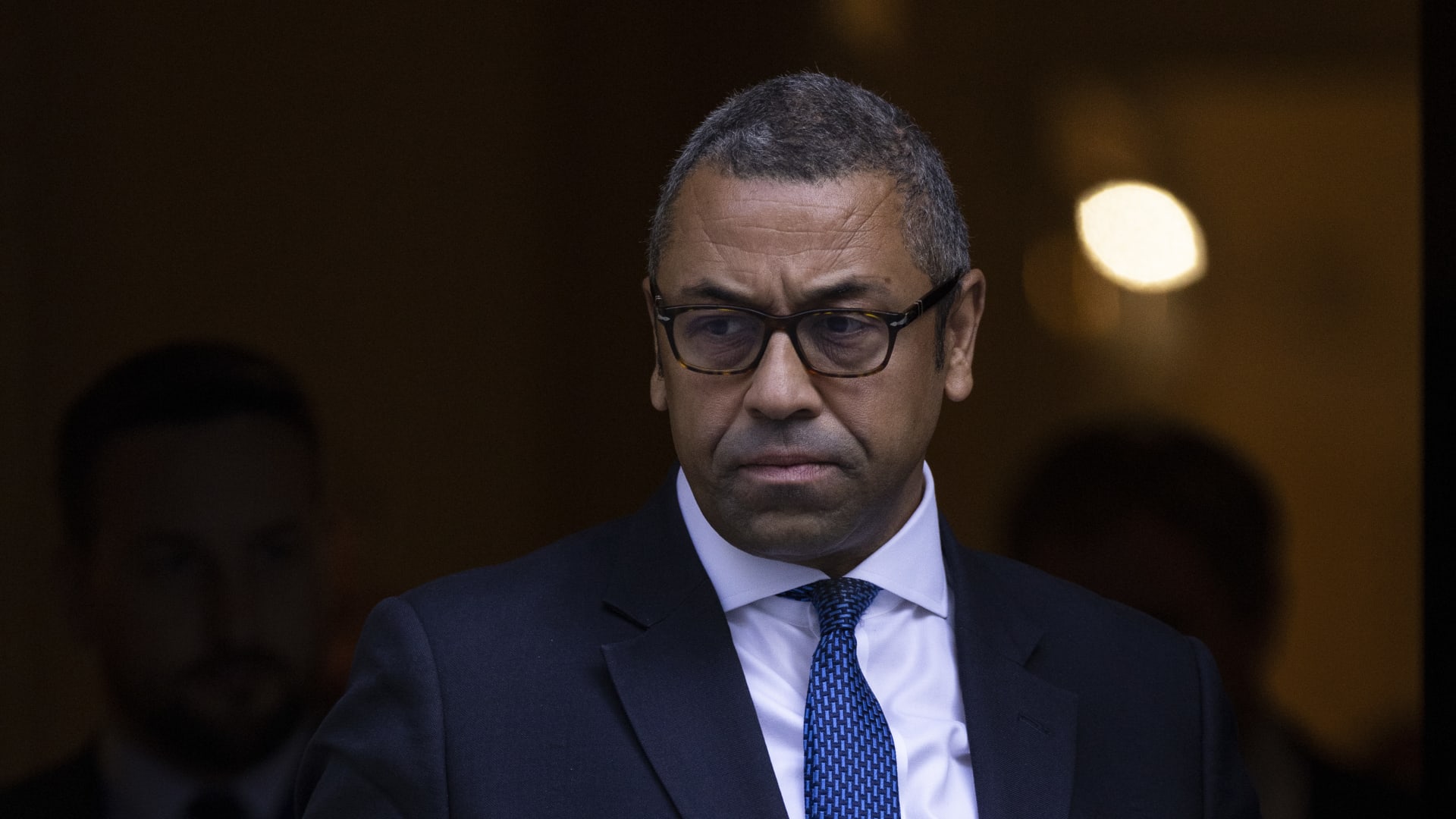
The Iranian Foreign Ministry announced today that its ambassador to Lebanon, Mohammad Jala Firouznia, will remain in his position in Beirut, despite the Lebanese government's declaration of him as a persona non grata and giving him a deadline until Sunday to leave the country.
This decision comes at a sensitive time for relations between Iran and Lebanon, where political tensions in the region have increased. Iran has considered this decision as an intervention in its internal affairs, complicating diplomatic situations between the two countries.
Details of the Event
In an unprecedented move, the Lebanese government issued a decision declaring the Iranian ambassador as a persona non grata, reflecting increasing tensions in bilateral relations. This decision came after a series of political statements that were deemed as Iranian interference in Lebanese affairs.
For its part, the Iranian Foreign Ministry confirmed that the ambassador will continue to perform his duties, indicating that this Lebanese decision does not reflect the true will of the Lebanese people. It also asserted that the ambassador's presence in Lebanon is part of the historical relations between the two countries.
Background & Context
The Iranian-Lebanese relations date back decades, with Iran playing a significant role in supporting the Lebanese Hezbollah, which is considered one of the most prominent political and military forces in Lebanon. These relations have experienced numerous fluctuations, especially amid the political and economic crises that Lebanon is facing.
In recent years, pressure has increased on the Lebanese government from Western and Arab powers to limit Iranian influence in the country. This pressure has contributed to the escalation of tensions between the Lebanese government and Tehran, leading to decisions like declaring the Iranian ambassador as a persona non grata.
Impact & Consequences
This decision is expected to have negative impacts on relations between Iran and Lebanon, potentially leading to a reduction in cooperation between the two countries in various fields, including economic and political support. It may also heighten tensions in the region, especially amid the multiple crises affecting neighboring countries.
Moreover, this decision could affect Hezbollah's position, which heavily relies on Iranian support. If the situation continues as it is, the party may find itself in a difficult position, impacting its political and military strategies in the future.
Regional Significance
The Iranian-Lebanese relations are part of a broader conflict in the region, where regional and international powers compete for influence. The rising tensions between Iran and Lebanon may reflect on the situations in other countries like Syria and Iraq, where Iran plays a pivotal role.
This event may also raise concerns among other Arab countries, which fear an increase in Iranian influence in the region. This could lead to a reassessment of their strategies in dealing with Iran, potentially contributing to increased regional tensions.
In conclusion, amid these developments, the question remains about how this decision will affect Iranian-Lebanese relations and whether there is a possibility for a diplomatic solution to ease tensions. The coming days will be crucial in determining the course of relations between the two countries.