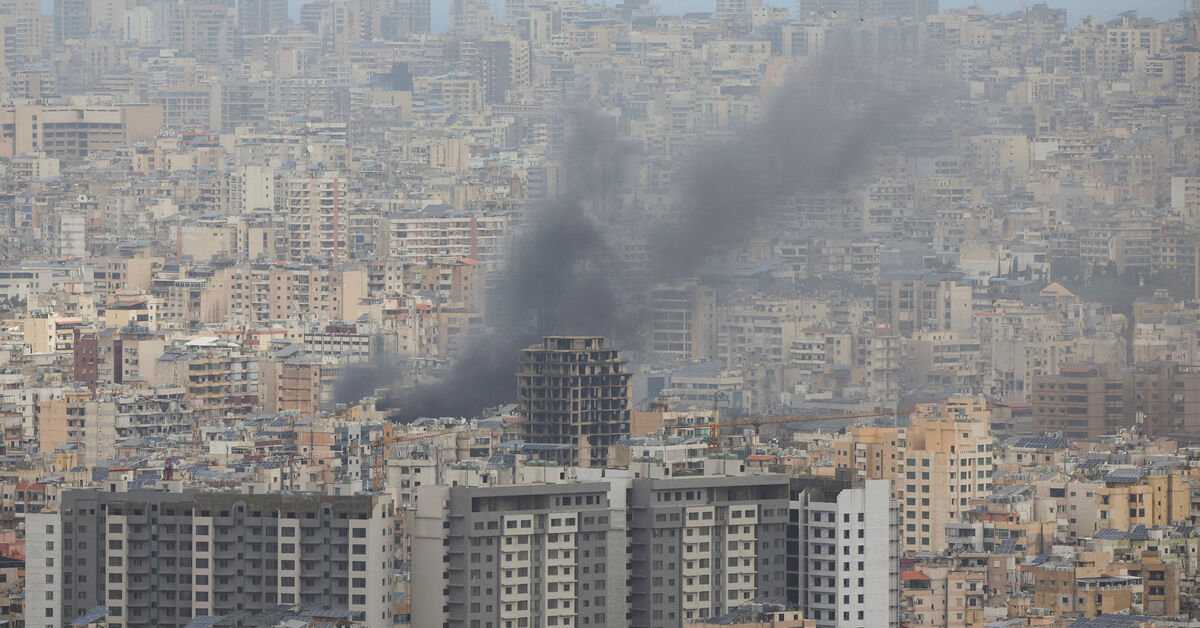
In a new escalation, Iran confirmed on Monday that its ambassador to Lebanon, Mohammad Jalal Firouznia, will remain in his post in Beirut, disregarding the Lebanese Foreign Ministry's declaration that he is a persona non grata and ordered him to leave the country. This move comes at a time when Lebanon is experiencing increasing tensions between Hezbollah, backed by Iran, and the Lebanese government, which has strongly criticized the party for its involvement in the regional conflict alongside Tehran and called for talks with Israel.
Tensions in Lebanon have heightened after Hezbollah entered the conflict with Israel, provoking widespread criticism from the Lebanese government, which seeks to maintain stability in the face of multiple crises. The Lebanese government has deemed the party's intervention in the regional dispute as complicating the situation and increasing risks for Lebanon.
Details of the Event
These developments come at a highly sensitive time, as the conflict between Israel and Hezbollah intensifies, placing Lebanon in a difficult position. The Lebanese Foreign Ministry announced that the Iranian ambassador is no longer welcome in the country, reflecting increasing political pressure on the Lebanese government from the international community, which is closely monitoring the situation.
In contrast, Iran has expressed its commitment to supporting Hezbollah, viewing it as a strategic ally in the region. Iranian officials have stated that the ambassador will remain in Lebanon to follow up on bilateral relations and enhance cooperation between the two countries, despite the mounting pressures.
Background & Context
Historically, the relationship between Iran and Lebanon has been intertwined, with Hezbollah being one of Iran's most prominent arms in the region. The party was established in the 1980s with Iranian support and has since become a key player in Lebanese and regional politics. As tensions in the region have escalated, the importance of Iran's role in Lebanon has increased, complicating relations with the Lebanese government.
In recent years, Lebanon has faced multiple crises, ranging from economic and political issues to security tensions. Hezbollah's intervention in regional conflicts has exacerbated these crises, putting the Lebanese government in a precarious position before the Lebanese people and the international community.
Impact & Consequences
This move by Iran is a clear challenge to Lebanese authorities and may exacerbate tensions between the government and Hezbollah. Additionally, the continued presence of the Iranian ambassador in Lebanon could increase pressure on the Lebanese government, which is striving for stability amid multiple crises.
Moreover, these developments could affect Lebanon's relations with Western and Arab countries, which are closely monitoring the situation. If Iran continues to defy the Lebanese government, it could lead to dire consequences for Lebanon's stability and security.
Regional Significance
The repercussions of this event extend beyond Lebanon, potentially affecting regional relations in the Middle East. The presence of the Iranian ambassador in Beirut reflects the ongoing Iranian influence in the region, raising concerns among many Arab countries wary of escalating tensions.
Furthermore, these developments may reopen discussions about Hezbollah's role in regional conflicts and its impact on security and stability in neighboring countries. Under these circumstances, the situation in Lebanon remains a focal point for the world, with expectations that tensions will continue to rise.