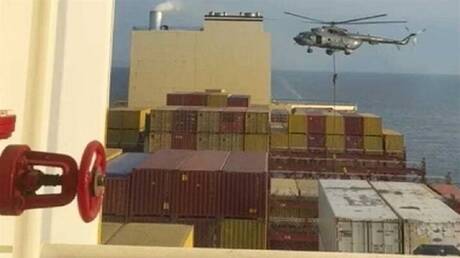
In strong statements during the Islamic Republic Day celebrations, senior Iranian officials confirmed that the strategic Strait of Hormuz will remain closed, and Iran's response to any future aggression will be severe. Officials stated that they will continue their war against what they described as aggression, emphasizing that aggressors will deeply regret their actions.
These statements come at a time of increasing tension in the region, where the Strait of Hormuz is considered a vital transit point for oil and gas. The remarks have raised international concerns about regional stability and maritime security.
Details of the Event
During the celebrations marking the anniversary of the establishment of the Islamic Republic, senior Iranian leaders delivered warning speeches, asserting that any attempt to attack Iran will be met with a strong response. One leader indicated that the Strait of Hormuz, which is one of the most important waterways in the world, will not be opened to aggressors, reflecting Iran's determination to protect its sovereignty and strategic interests.
Officials also added that Iran's response will be calculated and severe, raising questions about how this will affect international relations, especially with Western countries closely monitoring the situation.
Background & Context
The Strait of Hormuz is a vital point in the global economy, through which approximately 20% of the world's oil passes. The region has witnessed increasing tensions in recent years, particularly with the escalation of U.S. sanctions on Iran and the deterioration of relations between Tehran and Washington. In this context, the remarks from Iranian officials come as part of a broader strategy to bolster Iran's position in the face of external pressures.
Historically, Iran has closed the Strait of Hormuz at previous times as a means of exerting pressure on Western countries, leading to rising oil prices and increased tensions in global markets. This background underscores the significance of the recent statements and highlights the potential risks the region may face.
Impact & Consequences
Analysts expect these statements to escalate tensions in the region, which could affect global oil prices and increase instability in the markets. Furthermore, Iran's continued policy of closure may prompt major powers to reassess their strategies in dealing with Tehran, potentially leading to changes in regional and international alliances.
Moreover, these statements could impact maritime traffic in the region, as some countries may take precautionary measures to protect their vessels, further complicating the security situation in the Gulf.
Regional Significance
Neighboring Arab countries, such as Saudi Arabia and the United Arab Emirates, are among those most affected by Iran's statements. These countries heavily rely on the Strait of Hormuz for transporting their oil exports. Any escalation in tensions could negatively impact the economies of these nations and increase security risks in the region.
In conclusion, the remarks from Iranian officials serve as a warning to the international community regarding the consequences of any potential aggression. As tensions rise, hope remains pinned on diplomacy to resolve disputes and achieve stability in the region.