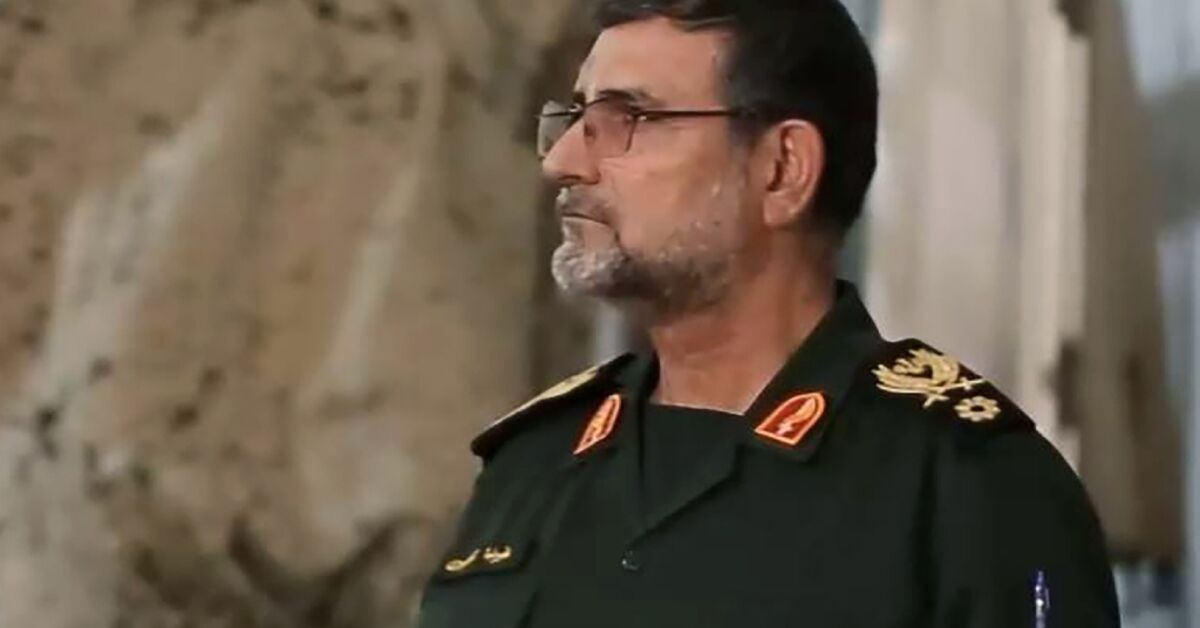
Iran announced on Monday the death of Brigadier General Ali Reza Tangsiri, commander of the Iranian Revolutionary Guard Navy, as a result of an Israeli airstrike, with Tel Aviv accusing him of being responsible for closing the Strait of Hormuz. This announcement came through a statement published by Sabaah News, affiliated with the Revolutionary Guard, which reported that Tangsiri "died from his injuries" sustained during the attack that occurred last week.
Israeli Defense Minister Israel Katz had previously stated that the airstrike targeted Tangsiri, describing him as "the man who was directly responsible for terrorist operations related to mining and closing the Strait of Hormuz." These statements indicate a new escalation in tensions between Iran and Israel, especially in a vital area like the Strait of Hormuz.
Details of the Incident
The Israeli strike on Tangsiri is considered part of a series of attacks targeting Iranian military leaders, as Israel seeks to undermine Iran's influence in the region. Reports have shown that Tangsiri played a prominent role in the naval military operations of the Revolutionary Guard, making him a strategic target for Israel.
These events come at a sensitive time, as tensions between Iran and the United States and its allies in the region have increased, raising the likelihood of escalating conflict in the Arabian Gulf. The Strait of Hormuz is a vital transit point for oil transportation, and any threat to its closure is seen as a threat to the global economy.
Background & Context
Historically, the Strait of Hormuz has witnessed increasing tensions between Iran and Western countries, especially following the United States' withdrawal from the Iranian nuclear agreement in 2018. Since then, Iran has bolstered its military presence in the region, raising concerns among Gulf states and the United States.
In recent years, Iran has conducted several military operations in the Gulf, including targeting oil tankers, which has led to strong reactions from the United States and its allies. The Iranian Revolutionary Guard is considered one of the main military arms of the Iranian regime and has a long history of military activities in the region.
Impact & Consequences
The death of Tangsiri may lead to an escalation of tensions between Iran and Israel, and the Revolutionary Guard may respond with retaliatory operations against Israeli or American targets in the region. This escalation could affect the stability of the entire region and intensify the ongoing conflict.
This event may also impact global oil prices, as any threat to the Strait of Hormuz could lead to a significant rise in prices, affecting the global economy. Oil-importing countries may face new challenges in securing their supplies.
Regional Significance
For Arab countries, the rising tensions between Iran and Israel represent a direct threat to regional security. Many Arab nations rely on the stability of the Strait of Hormuz to secure their oil supplies, and any escalation could impact their economies. Additionally, the conflict may lead to increased sectarian divisions in the region, complicating security situations further.
In conclusion, the death of Brigadier General Tangsiri marks a turning point in the ongoing conflict between Iran and Israel, reflecting the rising tensions in the Gulf region. The international community must closely monitor the situation, as any escalation could have serious repercussions for regional and international security.